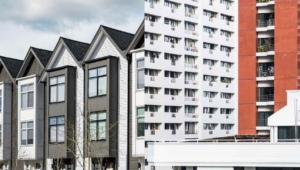
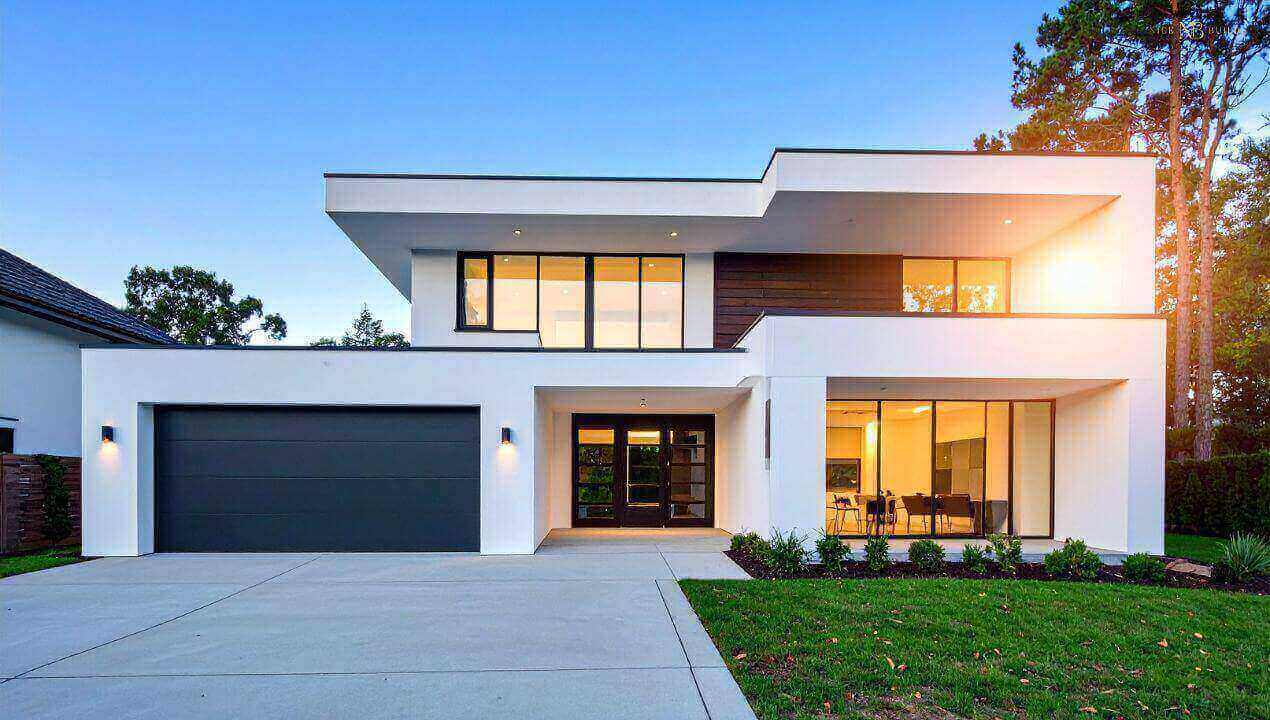
When building a home anywhere, several decisions influence long-term comfort, energy efficiency and resale value. Among them all is your house orientation.
I often tell my clients that a great floor plan can fail on the wrong block, but an average floor plan can perform brilliantly with the right orientation. That’s because your home direction directly affects sunlight, airflow, and indoor temperatures and even your energy bills for decades to come.
I notice how focused homeowners are on finishes, upgrades and styling, but orientation is what determines how your home actually feels to live in throughout the year. Here’s a guide for having the best house orientation in Australia. Hope this helps!
What Does House Orientation Even Mean?

House orientation means the direction your home is positioned on the block, how rooms, including your living room, bedroom, kitchen and windows and outdoor spaces are aligned in relation to the sun, wind patterns and natural airflow.
Whether your home is east-facing, west-facing, or southeast-facing can significantly impact natural light throughout the day, indoor temperatures across seasons, ventilation, heating and cooling costs and your overall liveability.
In Australia, good house orientation is one of the most important foundations of energy-efficient home design. Yet, orientation is often overlooked by first-time homebuyers and builders who focus more heavily on other aspects.
I believe that a great home design starts with understanding your land, your climate and your home direction because orientation affects how your home feels every single day. Therefore, at Nice Builds, we always assess a site’s orientation before designing a home because even the best-looking floor plan can disappoint if it ignores sunlight and airflow.
What is the Ideal House Orientation?
The ideal house orientation in Australia is the one that works with the local climate, maximises natural light, encourages airflow and reduces the need for artificial heating and cooling.
Many assume that there must be a one-size-fits-all answer to this particularly vague query; however, the best orientation actually depends on your location, block conditions and lifestyle needs.
When determining the best home direction, there are four major factors we consider:
Climate and Local Conditions
Australia has diverse climate zones, which means orientation needs vary significantly between regions. Some areas require passive heating during winter, passive cooling during summer or a balance of both.
Let me simplify it for you, homes in cooler southern regions often prioritise northern sunlight for warmth, whereas homes in warmer climates like that of South East Queensland focus more heavily on cooling, shading and ventilation.
It is essential to assess local weather patterns, humidity levels, prevailing breezes and seasonal temperature changes before designing a home. This ensures the home remains comfortable year-round while reducing long-term energy costs.
True North and Sun Angles
You should know that, in Australia, the sun tracks across the northern side of the sky, making northern solar access highly valuable for several homes. Therefore, when planning house orientation, we focus on true north side positioning, seasonal sun movement, daily sunlight exposure and window and shading placement.
The angle of the sun is never constant. In winter, the sun sits lower in the sky, allowing northern sunlight to penetrate deeper into the home. The sun in summer sits higher, making external shading critical to prevent overheating. Understanding these positions helps us strategically design our windows, eaves and awnings, the verandahs, and internal and external layouts.
This creates homes that feel naturally brighter and more comfortable without over-relying on air conditioning or artificial lighting.
Boast a coastal charm with timeless sophistication, with hamptons style homes!
Designing for Your Climate Zone
A well-designed floor plan goes hand in hand with the climate zone and orientation of the site. In most Australian homes, north-facing walls and windows receive the most beneficial winter sun, east-facing areas receive softer morning sun, while west-facing walls absorb harsh afternoon heat, and south-facing spaces receive softer indirect light.
Every side has a different function; this is why room placement matters. If you were to ask me, I generally advise my clients to have their main living areas face north or the north-eastern side, while the utility areas go toward the west, bedrooms where they receive softer morning light and outdoor spaces where they remain usable all year-round.
The end goal is to create a space that naturally balances warmth in winters, and airflow and shade in summer.
Did you know that there is a standard ceiling height protocol in Australia? Discover now!
Climate Change and Future Proofing
With the world transforming as it is, modern home orientation must also consider the changing climate. Summers are becoming increasingly hotter, longer and more intense, same with the winters. As a result, passive cooling is just as important as passive heating.
You ought to focus on reducing western heat exposure, increasing natural ventilation, improving shading, and making sure that your home is constantly capturing cooling breezes while using thermally efficient materials and glazing.
The Types: Which Home Direction is Right for You?
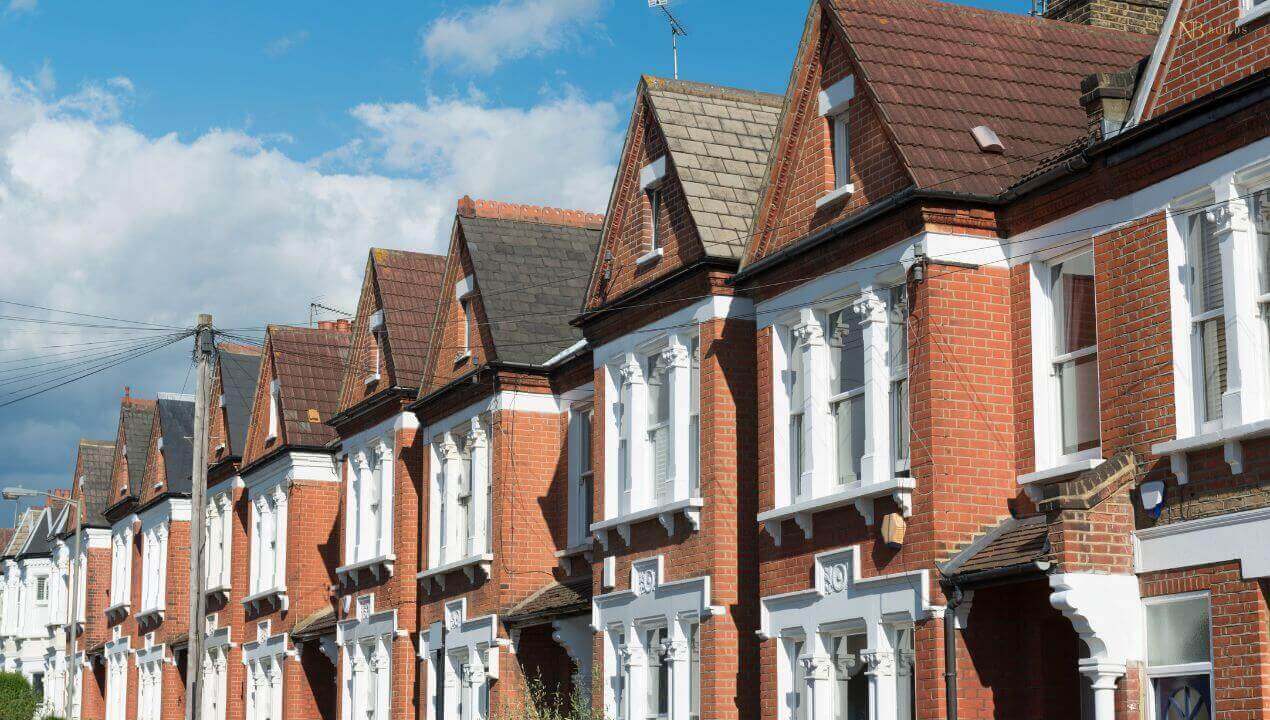
Ideals can be different for every circumstance. Not every block is perfectly positioned, nor does every family live the same way. That is exactly why understanding the different types of house orientation is so important before building your home.
North Facing House Orientation
In several parts of Australia, especially South East Queensland, north-facing homes and north-facing living are the standard. Mostly because the orientation allows living and sleeping areas to receive consistent natural light throughout the day while capturing valuable winter sunlight when the sun sits lower in the sky.
One of the biggest advantages of a north-facing home is that it’s easier to control summer heat with proper shading. Features including eaves, pergolas, verandahs and external awnings can easily block the harsh summer sun while still allowing the winter sunlight through.
For several Queensland homeowners, north-facing orientation remains the ideal house orientation for long-term comfort and performance.
Build townhouses to maximise land value and generate rental income in high-demand areas!
South Facing House Orientation
A south facing home typically receives less direct sunlight throughout the year, especially in southern Australian states. Because of this, south facing homes can feel cooler, darker and less naturally heated during the winter.
In one instance, where one of my clients was particularly worried about the orientation of her knockdown rebuild, I remember solving her problem with ease. In south-facing homes, all you need is skylights, internal courtyards, open layouts and clerestory windows. With these inclusions that provide a reflective interior finish and cross ventilation, there is absolutely no disadvantage to south-facing homes.
Instead, in warmer climates like Brisbane and coastal Queensland, south facing homes are actually preferred because they reduce heat gain during hot summers. This makes them especially useful in areas where cooling is more important than winter heating.
South East Facing House Orientation
A south east facing home is often underrated but can outperform in Australian conditions. These homes typically receive gentle morning sunlight, cooler afternoons, reduced western heat exposure and better summer comfort.
South east facing homes are especially popular in South East Queensland, where they balance natural light with passive cooling. Homes near the coast may also benefit from cooler breezes, improved airflow and reduced reliance on air conditioning.
West Facing House Orientation
A west facing house is often considered the most challenging orientation in Australia, primarily due to the intense afternoon sun exposure. West facing walls and windows absorb significant heat during summer, which means higher cooling costs, hot bedrooms and living areas, uncomfortable evening temperatures and increased glare.
If not designed properly, a west facing house can become difficult to cool during extreme heat waves. However, orientation alone never determines performance. Smart architectural planning can always improve comfort levels. You can make your home an energy-efficient and highly livable abode with just the right strategies.
Incorporate a rumpus room into your home for a flexible, and multifunctional family space.
East Facing House Orientation
An east facing house perfectly captures the morning sunlight while remaining cooler in the afternoons. This orientation makes houses much more desirable for homeowners who enjoy bright morning interiors but cooler evenings.
East facing homes work particularly well for bedrooms, breakfast areas, home offices and family living spaces. For several Australian families, east facing houses offer an excellent balance between natural light and year-round comfort.
Conceal appliances, wires and pipes with bulkheads!
Why are North Facing Houses in High Demand?
In Australia, particularly across Brisbane and South East Queensland, north-facing homes are consistently a buzz and among the most desirable properties on the market.
From my own experience, I have had many clients specifically search for north facing blocks even before they choose a floor plan. The reason is simple, a north facing orientation naturally creates brighter, more comfortable and energy-efficient homes.
For several homeowners here in Queensland, north facing houses are the benchmark for ideal orientation.
Natural Light
One of the biggest advantages of a north facing home is its ability to maximise natural light. These homes appear soft, with consistent daylight throughout the day, excluding the harsh glare commonly associated with western sun exposure.
Compared to east or west facing homes, north facing spaces can receive significantly more winter sunlight, helping interiors feel brighter, larger, warmer and more inviting.
Choose between single storey vs double storey homes based on your lifestyle, block size and budget.
No Overheating
It is important to note that, while north facing homes perform well, proper shading is essential to prevent overheating during summer. The good news is that northern sunlight is easier to control because the summer sun sits higher in the sky.
I often advise my clients to utilise smart and passive design features to block harsh summer heat, including deep eaves, external awnings, adjustable screenings and more. This creates homes that remain naturally cooler during summer without sacrificing natural light.
Choose the right facade for your forever home by considering your block and floor plan when selecting.
Sells Well
North facing homes often attract stronger buyer demand and premium resale values, particularly in property markets like that of Australia. I have had many buyers actively search for north-facing properties because they understand the long-term lifestyle and energy efficiency benefits associated with good orientation.
With everything that north facing homes have to offer, they are highly attractive to both owner occupiers and investors alike.
Wondering whether to renovate or rebuild your home? Consider the condition, the budget and your desired changes!
Is South Facing House Good in Australia?
Yes, south facing houses can be absolutely amazing in Australia, but whether its the right choice depends largely on your location, climate and the way the home is designed.
Many might assume north facing homes are always superior, but that is not necessarily the case in every part of the country. In warmer areas, a well-designed south facing home can actually provide better comfort during summer by reducing direct heat gain.
When Does a South Facing Home Excel?
A south facing home can perform exceptionally well in areas like South East Queensland, coastal regions, tropical and subtropical climates, and areas with long, hot summers. In these locations, reducing direct sunlight can improve indoor comfort and minimise cooling costs.
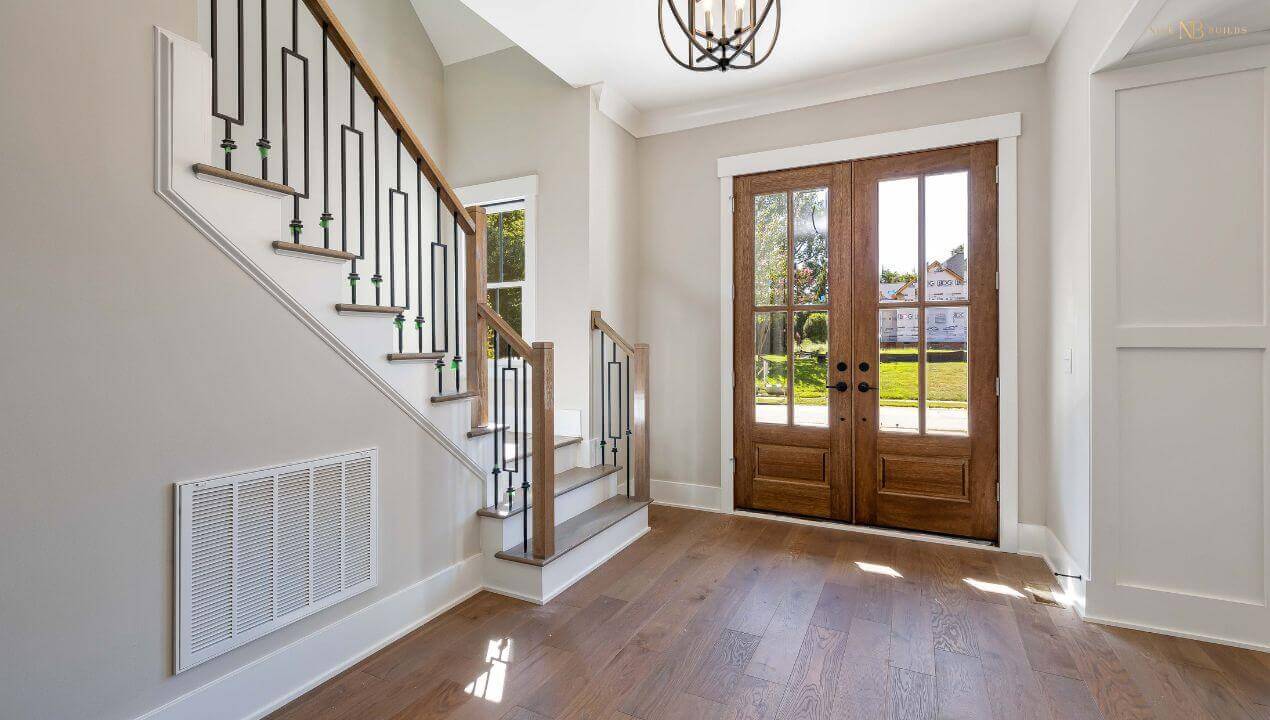
South East Facing Homes Vs North Facing Homes
North facing homes are still widely considered the benchmark for the ideal house orientation in many parts of Australia because they maximise winter sunlight and passive solar design. However, that doesn’t automatically make south facing homes inferior.
In fact, north facing homes can overheat if poorly shaded and south east facing homes can feel cooler and more comfortable in summer. It is important to understand that good design is what dramatically improves any poor orientation.
Do you want to build your dream home in Brisbane? Find out the cost to build a house in Brisbane this 2026 season!
What to Do If Your Block Isn’t Ideal?
This is a common problem; not every block offers the perfect house orientation, especially in established suburbs where lot direction, neighbouring homes and council setbacks can limit your options.
However, there is no need to panic; a less perfect block doesn’t mean you cannot build a comfortable, energy-efficient home in it.
At Nice Builds, we work with challenging blocks all the time. In fact, in my experience, the best performing homes we’ve designed have been on sites with difficult orientation constraints. The key is good design, building around the land rather than forcing a standard floor plan onto it.
Floorplan Flexibility
I always advise my clients to understand their block orientation before choosing a floor plan. A smart floor plan should adapt to the site and not the other way around. This flexibility creates better-performing homes than rigid off-the-plan layouts.
Use architraves in your home to enhance the property’s overall style.
Add Internal Courtyards
Internal courtyards and light wells are one of the most effective ways to bring natural light deeper into the home. This way, not only does the home get ample light, but it also improves airflow and creates a visual openness without relying on artificial lighting.
Clerestory Windows High On the Walls
Positioning clerestory windows high on the walls can capture sunlight from above neighbouring buildings or fencing. They work particularly well for south-facing homes, narrow suburban blocks and homes with limited northern exposure. Clerestory windows give an illusion of significantly brighter interiors without compromising privacy.
Lighter Interior Finishes
The colours and materials you use inside your home have a major impact on how it feels. Lighter finishes help reflect natural light, brighten darker rooms, reduce the feeling of enclosed spaces and improve overall warmth and openness.
Popular strategies include light timber flooring, soft white wall colours, reflective stone surfaces and glass internal doors. Even small changes in material selection can noticeably improve how a home feels.
Get the Best Orientation For Your New Home Build!
Recently, my team handled a particularly difficult custom family home. It was a west-oriented block in Brisbane, an absolute nightmare to work on.
However, instead of fighting the site, we positioned the garage and utility spaces on the western side, created north-facing internal living zones and added adjustable screening, including high-performance glazing. The result was a home that remained naturally comfortable and well-oriented even during peak summer heat!
This is exactly why house orientation should never be viewed in isolation. Nice Builds, your trusted builder based in Brisbane, can make even the trickiest of lands work in your favour.
Whether you’re building on a narrow lot or a sloping block, our team can help you create a home that can beautifully connect to its environment. Contact us today to book a free consultation!
FAQs
What is the best direction for a house to face for sunlight?
The best direction for a house to face depends on your location and climate. In most parts of Australia, north facing homes are considered ideal because they receive consistent natural sunlight throughout the day, especially during winter.
Overall, the best house orientation is always one that balances natural light, thermal comfort, airflow and energy efficiency.
What is the best house orientation for Queenslanders?
For most Queensland homes, a south east facing orientation tends to perform best. Mostly since they capture softer morning sunlight while avoiding the radiant heat.
Does house orientation affect resale value?
Absolutely. Homes with strong natural light, comfortable temperatures and good energy efficiency are often more attractive to buyers. North facing homes in particular tend to command stronger resale demand in property markets because buyers recognise the lifestyle and energy saving benefits of good orientation.