How many types of houses do you think there are? Tens, hundreds, maybe even thousands. Over the years, we’ve seen homeowners become more and more intentional about the way they live, entertain, work and grow within their homes. Now, building anywhere or in Australia is no longer just about choosing four walls and a room, it’s about feeling, community and comfort.
Some clients have come to us wanting low-maintenance modern townhouses, while others dream of a sprawling coastal retreat, a practical granny flat for extended family or a contemporary flat roof house designed around indoor-outdoor living. But before anything else, one of the most common questions we get is: What type of house should we build?
Australia offers an incredible variety of houses, each with its own advantages, building considerations and long-term value. Here’s what we’ve learned from building across different lifestyles and locations in Queensland. By the end, you might just find the home of your dreams!
Looking to buy your first home? The first home owner grant offers cash to eligible buyers of new homes. Learn more, now!
Building in Australia
If you want to build a home in Australia, you generally have several paths. From starting with a vacant block of land and designing a custom house from the ground up to choosing a house and land package where the land and a pre-designed home are sold together. The decision is up to you and your circumstances. But what type of house would you build? To answer the question, we have curated a list of popular architectural styles found across Australia. Skim through and take your pick!
Detached Houses
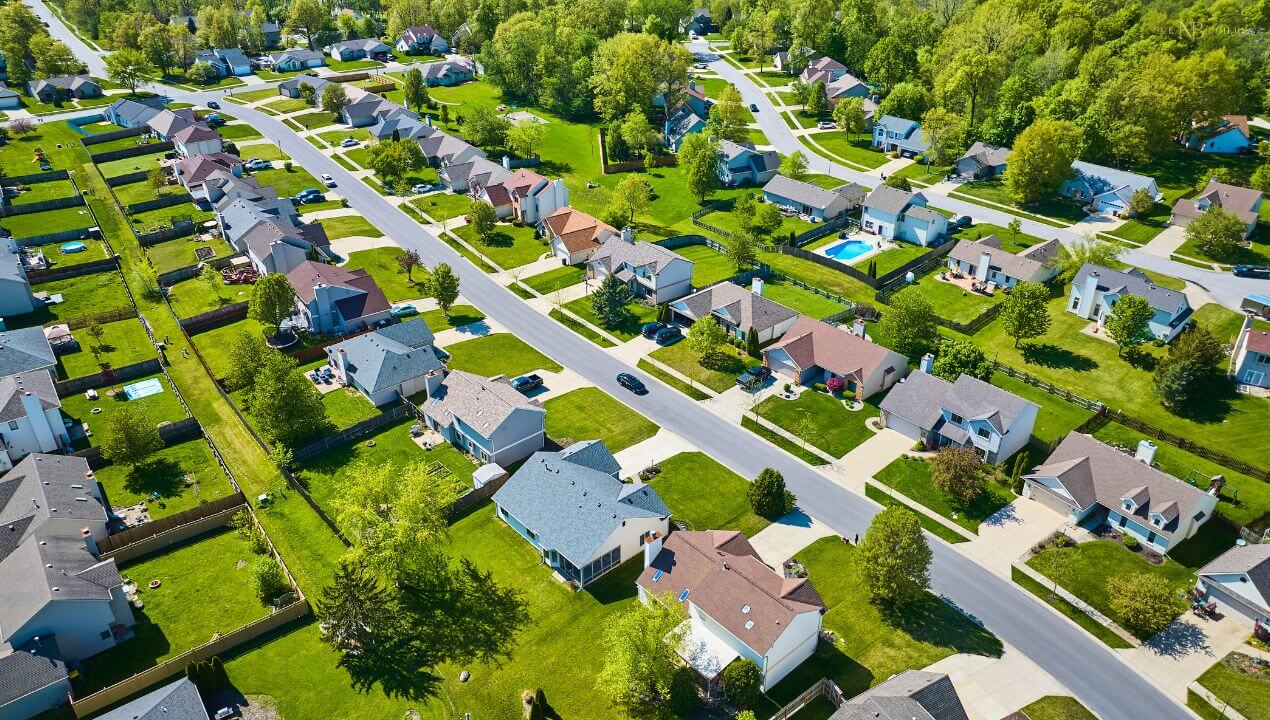
Detached homes remain the classic Australian dream. These are standalone properties built independently on their own block of land, offering maximum privacy, flexibility and space.
Several families choose detached homes because they have the room to grow. We have had plenty of clients who started with simple three-bedroom designs and later expanded with outdoor entertaining areas, pools or even secondary dwellings.
One of the biggest advantages of detached homes is the freedom in design. Whether you want a hamptons style home, a contemporary Australian flat roof home or a practical single-level slab home, detached properties give you far more control over layout and aesthetics.
With the growing demand for open-plan living, energy-efficient home orientation, multi-generational layouts and L shaped house design concepts, a well-planned detached home allows families to adapt their space as life changes.
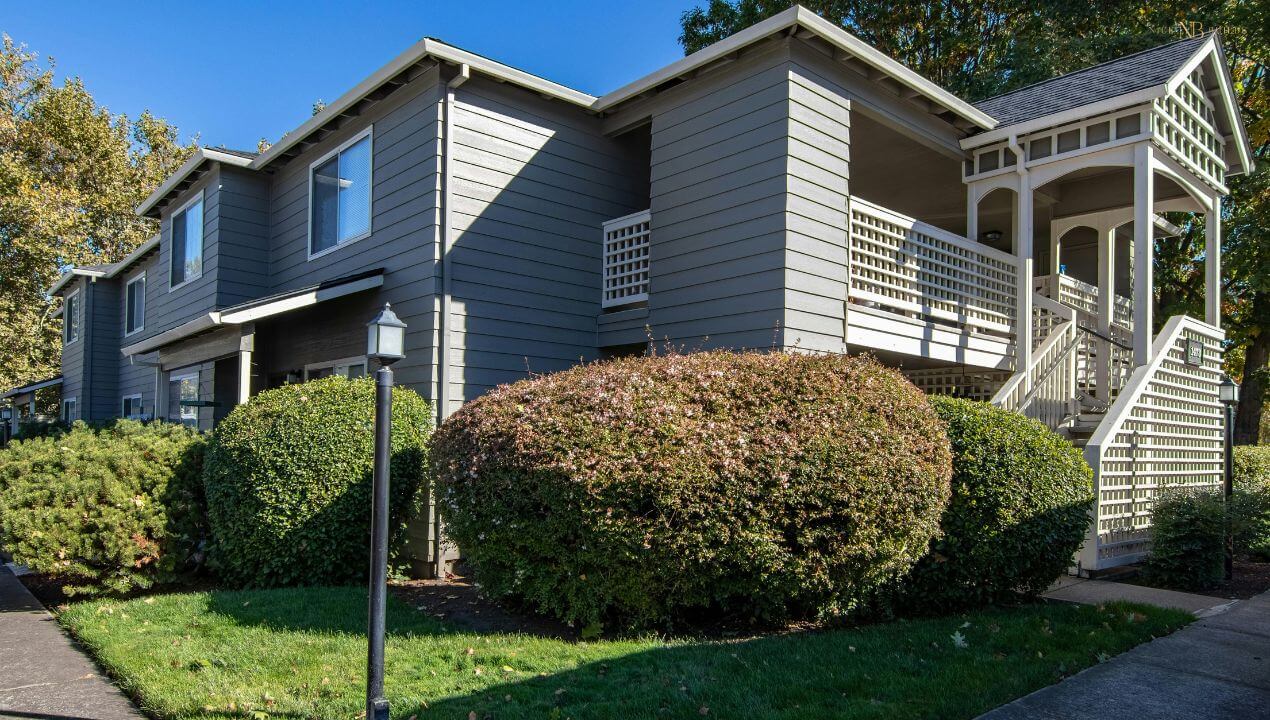
Duplex or Semi-Detached Homes
Semi detached homes and duplexes have become increasingly popular throughout Australia, especially in growing urban corridors where land prices continue to rise.
A duplex consists of two homes built on the same block, usually sharing a common wall. Some mirror each other perfectly, while others are unique in both appearance and layout.
We’ve worked with several investors who built duplexes to live in one side while renting the other. Some families create semi-detached homes for parents, adult children or siblings wanting to remain close while maintaining privacy.
One recent client of ours wanted a modern duplex with strong street appeal right here in Brisbane. We designed an L shape house with private courtyards, natural light corridors and acoustic separation between both dwellings. The result felt far more spacious than expected and delivered excellent rental returns.
Ultimately, a detached semi detached comparison often comes down to budget, land efficiency and investment goals. You can choose to do either or go completely out with a duplex.
Planning to build? Choose a reliable home builder to confirm home build success.
Units or Apartments
Apartments and units remain some of the most popular types of homes in Australia, particularly in growing cities like Brisbane, Sydney and Melbourne. As urban living continues to evolve, modern apartment developments are becoming far more sophisticated, offering comfort, convenience and lifestyle-focused design that appeals to a wide range of buyers.
While apartments are generally smaller than detached homes, today’s designs prioritise functionality, natural light and efficient use of space. Modern developments often include open-plan living areas, secure parking, shared recreational facilities and energy-efficient features that support a low-maintenance lifestyle.
Although apartments may not offer the same land ownership benefits as detached or semi-detached homes, they remain one of the most practical and accessible housing options in Australia’s growing urban centres.
Please note that before purchasing an apartment or unit, buyers should carefully review strata regulations, body corporate responsibilities and ongoing levies, as these can significantly influence long-term costs and lifestyle suitability.
Learn how to compare building quotes and find out why the cheapest is not always the right choice.
Villas
As one of the most underrated types of homes in Australia, villas are among the most popular architecture styles worldwide for combining the comfort of detached living with the convenience of low-maintenance design. Villas have long attracted retirees, downsizers, small families and even first-home buyers looking for practical and affordable housing solutions.
These properties are usually single-storey and located within smaller residential complexes. Villas offer many of the same benefits as detached houses without the extensive need for maintenance, which is usually a hassle with larger properties.
For homeowners seeking simplicity and comfort, villas are ideal. Retirees and downsizers are often drawn to these properties because they provide independence. From a design perspective, villas focus heavily on functionality, comfort and efficient use of space. Builders often prioritise natural airflow and cross ventilation, along with flexible layouts for changing lifestyles.
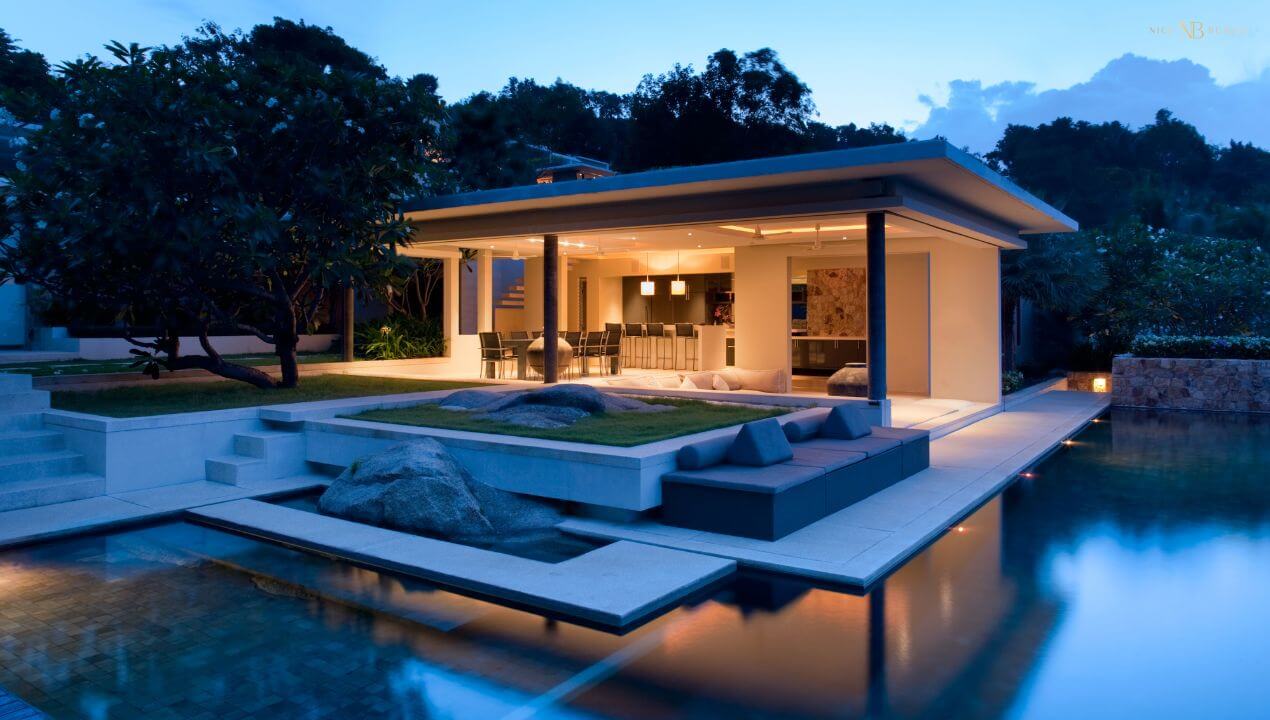
As Australian homeowners continue prioritising convenience and practicality, villas remain one of the most versatile and liveable housing options available across many suburbs and regional locations.
Townhouses
In urban areas where land is limited, and homeowners want a balance between space, affordaibility and convenience, townhouses are it. Somewhere between apartments and detached homes, townhouses offer a practical middle ground for modern Australian living.
Usually designed across multiple levels, townhouses feature shared side walls, compact but highly functional floorplans and private outdoor spaces that maximise land efficiency without sacrificing comfort.
Over the years, we have seen more buyers shift towards townhouse living because they want the privacy and flexibility of a detached home without the higher price tag or maintenance responsibilities.
Many of our clients tell us the same thing: they’ve outgrown apartment living but still want to stay close to the city, cafes, schools and transport. We tell them how townhouses solve that problem. They provide room for families, home offices and entertaining while remaining easier to maintain than larger standalone properties.
We have also noticed a major transformation in townhouse design across Brisbane and other Australian cities. No more basic box-like layouts. Modern townhouse developments now prioritise contemporary facades, open-plan kitchens and living spaces, energy efficient includisons and smart storage solutions with private garages and courtyards.
Incorporate a rumpus room into your home for a flexible, and multifunctional family space.
Terrace Homes
Terrace homes are iconic, especially in Australia, where these properties connect to the country’s architectural history. Extremely popular in Australia during the late 1800s and early 1900s, newly built terrace homes are now relatively rare, making existing properties highly sought after in many inner-city suburbs.
You’ll commonly find terrace houses throughout older parts of Sydney and Melbourne, along with selected regional cities, where historical streetscapes have been carefully preserved. Walking through these neighbourhoods, it’s easy to see why terrace homes still hold such strong appeal. Their consistent facades, narrow frontages and charming architectural details create a unique sense of character that modern developments often struggle to replicate.
One thing we often hear from clients inspecting terrace homes is how much larger they feel once you step beyond the front facade. High ceilings, elongated floor plans and rear courtyards can make these homes incredibly functional for inner-city living.
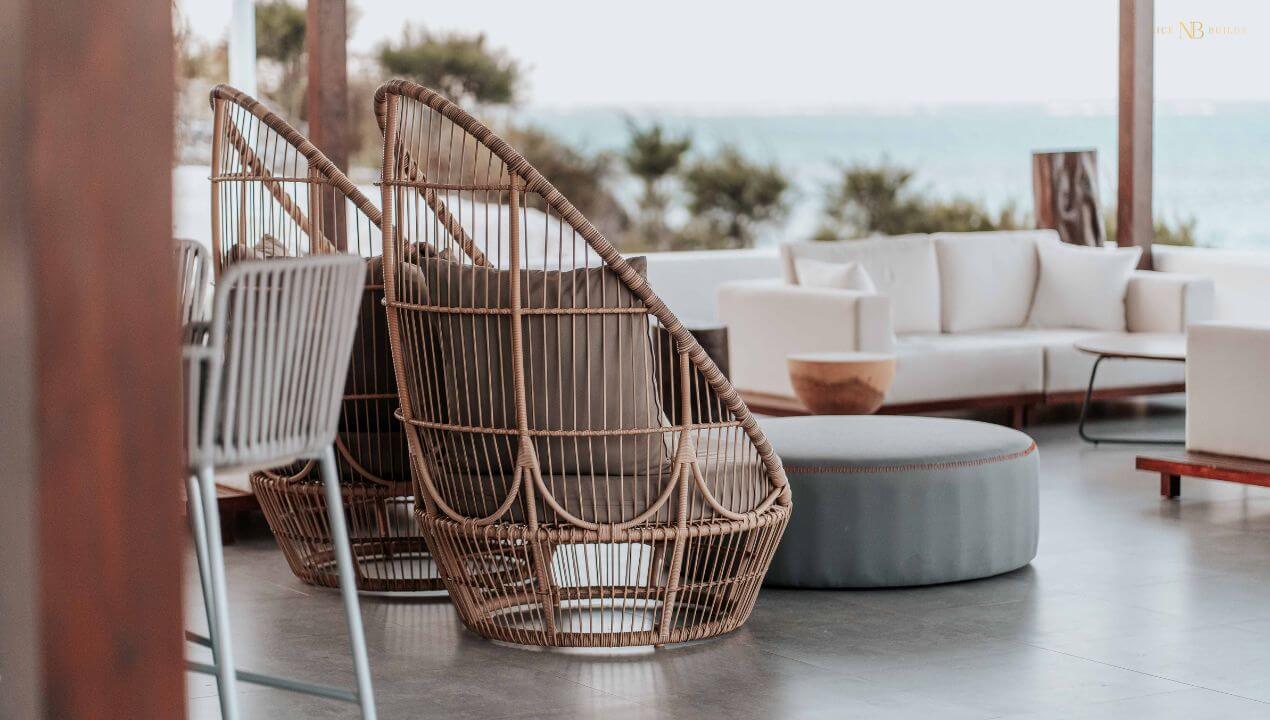
Terrace homes sit between detached semi detached housing and modern townhouses in terms of lifestyle. They offer many of the privacy benefits associated with detached living while still achieving highly efficient land usage in dense urban environments.
Here’s another important thing you need to know, terrace homes are typically either Torrens titled or strata titled. Torrens title means the homeowner owns both the land and building outright, much like a detached home. Strata title, on the other hand, involves shared ownership and management through an owners corporation, which is more common in newer developments and some subdivided properties.
In recent years, we have also seen homeowners modernise older terraces with contemporary renovations that blend heritage charm with modern functionality. Although terrace homes may not offer the same flexibility as completely detached properties, their timelessness and strong street appeal to Australia’s urban history continue to make them one of the most desirable types of homes in the country.
Beach Houses
Beach houses have long represented the Australian dream. Designed around lifestyle as much as location, coastal homes are created to embrace natural light, ocean breezes and seamless indoor-outdoor living. Whether positioned along the Queensland coastline or overlooking southern beaches, these homes are built to maximise their connection with the surrounding environment.
When working with clients planning coastal homes, the focus quickly shifts from simply building a house to creating a lifestyle experience. This tells us that people aren’t chasing extra bedrooms or larger kitchens, but they want spaces that feel open, calming and connected to nature, with both exteriors and interiors getting equal attention. That’s why beach houses are often designed with expansive decks, oversized windows and flowing open-plan layouts.
Since coastal Australian homes are exposed to harsh environmental conditions, material selection becomes one of the most important aspects of the build. A well-designed beach house needs to carefully consider practicality with aesthetics.
Did you know bulkheads in kitchens help conceal appliances, improve acoustics and define dining spaces?
Passive Houses
With time and changing priorities, sustainability and energy efficiency have become increasingly important to Australian Homeowners. Exactly why passive houses are rapidly gaining attention as one of the smartest and most future-focused types of homes available today.
Something once considered a niche building approach is now becoming a major influence on modern residential design across Australia.
The concept of the passive house originated in Germany during the 1990s and focuses on creating homes that maintain comfortable indoor temperatures with minimal reliance on artificial heating or cooling.
One client we worked with wanted a modern flat roof home that could stay naturally cool throughout Brisbane’s warmer months without relying heavily on constant air conditioning. By incorporating passive design principles such as cross ventilation, double glazing, high-quality insulation and carefully positioned shading, the result was a home that remained comfortable all year round while significantly reducing energy usage.
You might assume that passive houses all look the same and don’t have character at all. However, in reality, passive design can be applied to a huge variety of houses and architectural styles. Whether it’s a minimalist contemporary build, a coastal retreat, a family-focused detached home or even a house design in L shape layout, passive principles can be utilised in almost any type of home.
Include architraves in your home to create a unique visual flow and cohesive design.
Heritage Homes
Heritage homes, as the name suggests, represent some of the most distinctive and culturally significant types of houses in Australia. These properties reflect architectural styles and craftsmanship from earlier periods that helped shape the country’s residential identity, offering a level of character and detail rarely found in modern construction.
Everything from ornate Victorian homes to classic Federation style of homes and charming Queenslanders, heritage properties carry a sense of history that many homeowners find deeply appealing. Features such as decorative timberwork, intricate masonry detailing, stained glass windows, high ceilings and original fireplaces all contribute to the timeless charm these homes are known for.
If you feel that modernist styles and builds are too uniform or lack personality, heritage properties can be for you. These homes have the warmth, texture and a sense of permanence like no other.
Should you live in the city or suburb? List your priorities and compare accordingly!
Queenslander Homes
Famous throughout Queensland and other subtropical regions, Queenslander homes are designed to suit the hot, humid climate of northeast Australia. These types of houses are admired for their practicality, timelessness and strong connection to outdoor living.
The defining feature of a traditional Queenslander home is its elevated structure. Built on stumps or posts, Queenslanders are raised above ground level to improve ventilation, reduce heat retention and protect the home from moisture, flooding and pests. Given this clever architectural work, Queenslanders are bound to perform well in warm Australian conditions.
We’ve had many homeowners modernise older Queenslanders while carefully preserving their traditional charm. One recent project involved opening up the rear of a classic timber Queenslander into a contemporary flat-roof home extension that connected directly to an outdoor entertaining area. This contrast between traditional facade and modern addition created a home that felt both timeless and highly functional for modern family living.
While they may require more maintenance than some newer housing styles, Queenslanders continue to hold strong appeal because they offer something uniquely Australian.
Try feng shui to create harmony between your home and yourself.
Cottages
Cottages represent some of the earliest forms of residential housing built during European settlement throughout the 18th and 19th centuries. These homes were originally designed to be simple, practical and functional, providing modest living spaces for working families and early settlers using locally available materials like timber, stone and brick.
As uncommon as they are today, they continue to charm homeowners with their warmth, character and timeless appeal. You’ll still find beautifully preserved cottages throughout older suburbs in Sydney, Melbourne and regional towns, where they contribute to the unique identity and historical character of established neighbourhoods.
Since cottages are built on smaller lots, smart design becomes incredibly important during renovations. Careful planning can dramatically improve natural light, airflow and functionality while still preserving the home’s original character.
Choose between single storey vs double storey homes based on your lifestyle, block size and budget.
Tiny Homes
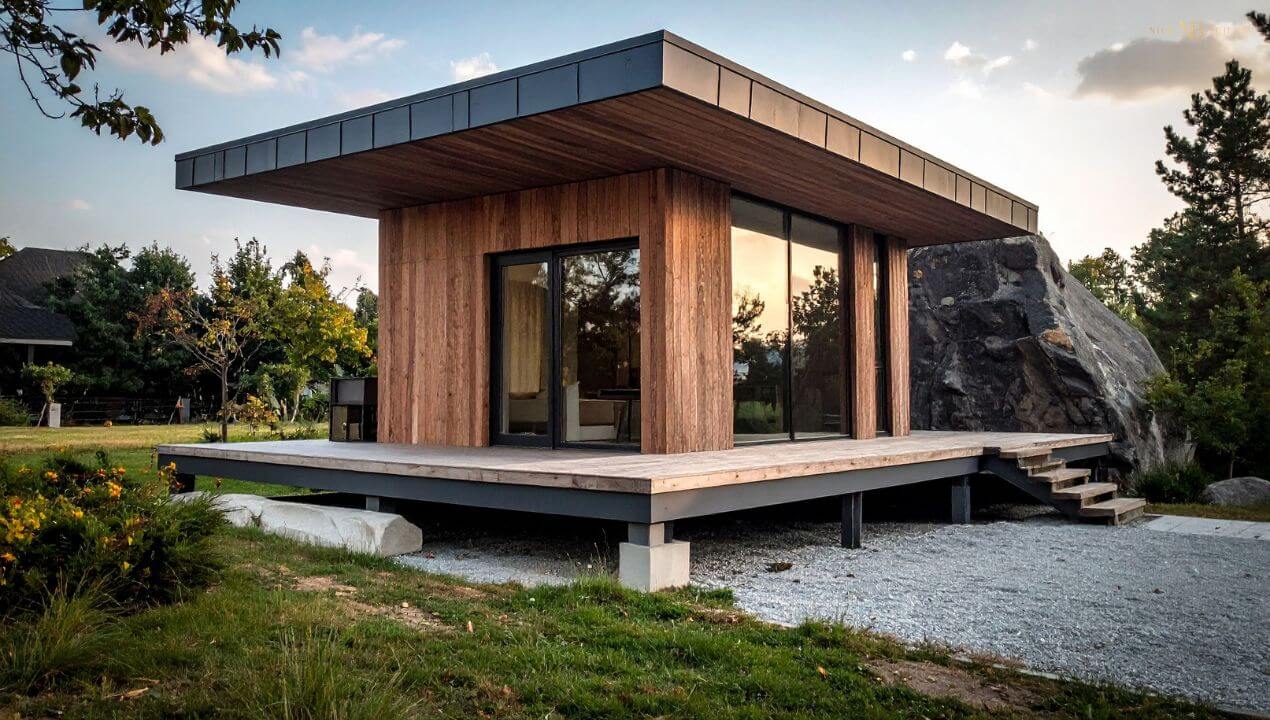
Over the past decade, tiny homes have seen a major rise in popularity across Australia. For many homeowners, the appeal isn’t just about building smaller, it’s about living smarter while reducing building costs and prioritising experiences over excess space.
What we’ve consistently noticed in conversations with clients is that tiny homes are rarely just a housing decision, but more of a lifestyle shift. Some people are downsizing after years in larger properties, while others are looking for a more affordable entry into the housing market or a secondary dwelling solution for family or rental income.
Generally, there are two main property types under tiny homes in Australia, they are:
- Trailer-based tiny homes that offer mobility and flexibility
- Fixed foundation tiny homes that are built permanently on land in a set location
Typically, tiny homes range from around 10 to 40 square meters, and despite how small they are, well-designed layouts can feel surprisingly functional and comfortable when space is carefully planned.
While these may not suit everyone, their benefits are clear. For many Australians, tiny homes represent a shift toward more intentional living, where space is used purposefully rather than excessively.
Knockdown and rebuild an old property into a beautiful new home.
Barn Houses
For homeowners looking for designs that combine rural character with modern architectural simplicity, Barn Houses can be perfect. Inspired by traditional architectural buildings, barn-style homes focus on strong geometric forms, open plan layouts and a dramatic sense of scale that feels both contemporary and grounded in nature.
Clients who are drawn to barn houses often want something bold yet practical, homes that feel spacious, light-filled and connected to the land. Unlike more conventional suburban builds, barn houses are designed to make an architectural statement while still prioritising livability and comfort.
At their core, barn houses are defined by simplicity of form and openness of space. Common features of modern barn houses include strong rectangular or gabled forms, extensive glazing for natural light, timber, steel and natural material palettes, seamless indoor-outdoor flow, and contemporary flat roof house influences in modern interpretations.
Ultimately, barn houses offer a unique balance between architectural boldness and everyday functionality. They work best on larger blocks of land where the design can fully respond to its surroundings.
Read: Renovate vs Rebuild: How to decide?
Granny Flats
Granny flats have become one of the most practical and in-demand housing solutions across Australia, especially as homeowners look for flexible living arrangements, additional income opportunities and smarter ways to maximise land use.
Granny flats are secondary dwellings, typically either detached from or attached to the main residence. But they always remain part of the same property title and cannot be sold separately.
Traditionally, granny flats were built to accommodate elderly parents or extended family members who needed to live close while maintaining a level of independence. Today, these uses are covered, but the role has expanded significantly.
In several of our recent projects, homeowners have chosen to integrate granny flats into border site planning strategies, pairing them with detached semi detached homes or custom L shaped house design layouts to maximise privacy between dwellings.
Bungalows
Bungalows became largely recognised in Australia during the early to mid 20th century, particularly gaining popularity in the period between World War I and the Second World War. Characterised by their low-pitched roofs, wide eaves and single-storey layouts, bungalows were designed with practicality and climate responsiveness in mind. The generous roof overhangs provided natural shade and protection from sun exposure, making them particularly suited to harsh Australian conditions.
Across the country, a bungalow construction often reflects local materials and regional identity. These regional material differences give Australian bungalows a unique architectural diversity that reflects both climate and local industry.
While bungalows may not offer the same spatial flexibility as modern slab homes or larger detached semi detached properties, they remain highly valued for their character, craftsmanship and historical significance.
Choosing the Right Home Type for Your Lifestyle
Choosing a home in Australia is less about selecting a design trend and more about understanding the different types available and finding a property that genuinely supports the way you live day to day. The most successful home decisions are made when lifestyle, budget, location and long-term plans are considered together, rather than focusing on appearance alone.
In our experience working with homeowners across Queensland, the first and most important question we propose is always the same: how do you want to live? The answer often influences everything from layout and size to location and construction style.
For buyers who have simplicity and convenience as their priority. Compact, low-maintenance living options such as apartment units or townhouses are the best fit. On the other hand, many homeowners prioritise space, flexibility and long-term adaptability. This is where detached semi detached properties and custom builds become more appealing.
We’ve also seen a growing number of clients consider future-focused building approaches, including slab homes construction and energy-efficient passive design principles, especially when they are thinking beyond immediate needs and planning for long-term comfort and sustainability. Choices are the same, but the decision depends on the individual!
In the end, the best home is not defined by its category or style, but by how well it supports your lifestyle today and adapts to your needs in the future. A well-planned home should deliver comfort, practicality and long-term value, not just follow short-lived design trends.
Looking to Build a House?
Building a home is one of the biggest decisions most people will ever make, and the process should feel clear, structured and supported from start to finish. The right builder doesn’t just construct a house, they help translate your ideas, lifestyle needs and long-term goals into a home that actually works for the way you live.
A good build experience is built around communication, planning and flexibility. Whether you’re considering a modern detached home, a functional townhouse, a contemporary flat roof house, efficient slab homes construction, or a personalised house design in L shape layout, the goal is always the same: creating a home that feels right for you.
At Nice Builds, your Brisbane-based home builder, we understand local conditions, council requirements and design considerations that influence how homes perform in Queensland’s climate. With us, building your dream home becomes less stressful and more relaxed. Book an appointment now!