Building a new home is an exciting journey filled with hundreds of design decisions, both big and small. While features such as flooring, kitchens and painting often receive the most attention, it’s the finishing details that truly bring a home together. One of those often-overlooked elements is the architrave. You might be wondering, what is an architrave?
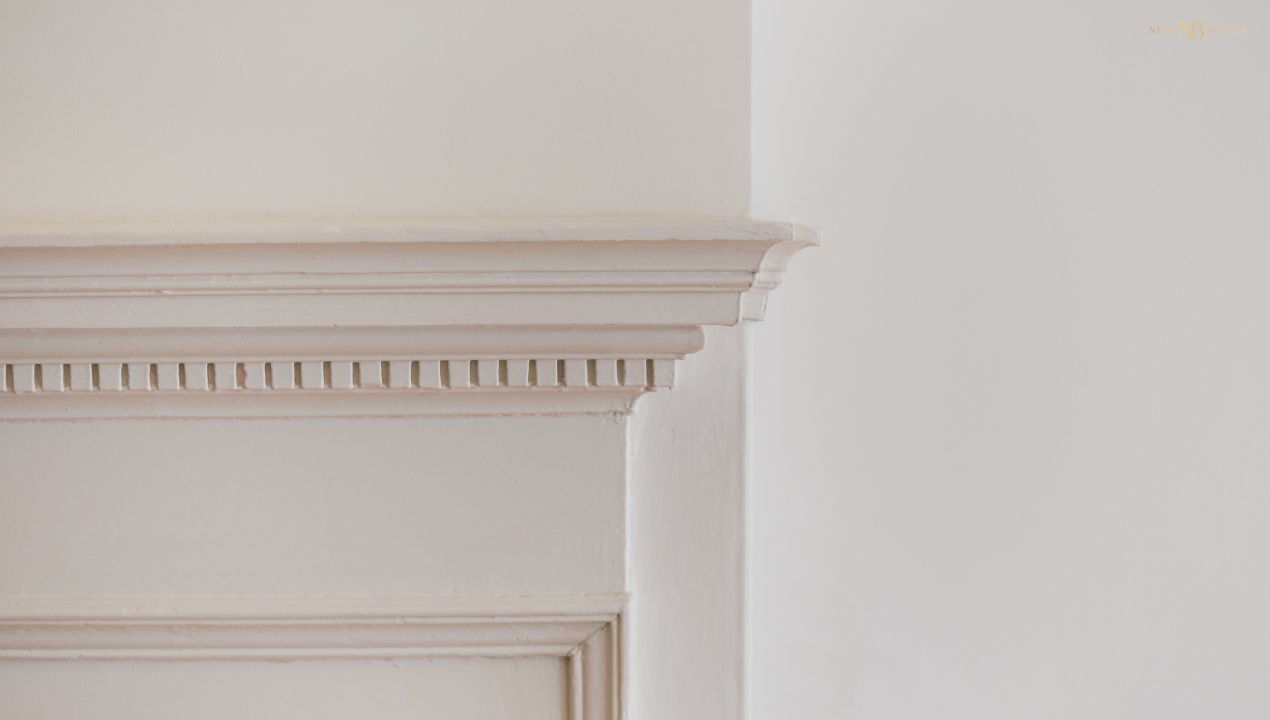
An architrave is the decorative trim or moulding installed around door frames, window frames and other openings such as cupboards or loft hatches. Its primary purpose is to cover the gap between the wall surface and the frame, creating a neat and professional finish.
As builders, we regularly see how the right architraves can transform a room from looking unfinished to feeling polished and complete. Whether you’re building a new home, renovating, or updating your interior, understanding architraves can help you make more informed design choices.
Look into building townhouses to maximise land value and generate rental income in high-demand areas!
What Does an Architrave Do?
While architraves serve a practical function, they also contribute significantly to the overall style of a home. The profile, size and material you choose can enhance everything from modern minimalist interiors to classic heritage-inspired designs. Here’s exactly what they do:
- Creates a Finished Appearance: Architraves provide a clean transition between the wall and the door or window frame. Without them, joints and uneven edges would remain visible, making the room look incomplete.
- Conceals Construction Gaps: Even with precise building practices, small gaps can exist where frames meet plasterboard or wall surfaces. Architraves effectively hide these imperfections, delivering a seamless finish.
- Protects Vulnerable Edges: Doorways and window openings are exposed to everyday wear and tear. Architraves help protect these areas from knocks, chips, and damage over time.
- Enhances Interior Design: A carefully selected architrave profile can complement your home’s architectural style and add character throughout the space.
Want to find out the cost to build a house in Brisbane? Learn everything you need to know for a cost-effective home construction.
What is an Architrave Made Of?
Modern architraves are available in a variety of materials, each offering different advantages.
Timber
Timber remains one of the most popular choices due to its natural appearance and versatility. It can be stained, painted, or left exposed to showcase the grain.
Benefits:
- Natural warmth and character
- Durable and long-lasting
- Suitable for both traditional and modern homes
MDF (Medium-Density Fibreboard)
MDF architraves are widely used in new home construction due to their affordability and smooth finish.
Benefits:
- Cost effective
- Easy to paint
- Consistent finish with no knots or grain
PVC
PVC architraves are ideal for moisture-prone environments and are commonly used in bathrooms, laundries and kitchens.
Benefits:
- Water-resistant
- Low maintenance
- Won’t warp or swell
Polyurethane (PU)
Polyurethane architraves have become increasingly popular in modern homes.
Choose the right facade for your forever home by considering your block and floor plan when selecting.
Benefits:
- Lightweight
- Moisture-resistant
- Resistant to cracking and movement
- Easy to install
Plaster
Plaster architraves are often found in period homes and luxury interiors where decorative detailing is desired.
Benefits:
- Elegant appearance
- Ideal for ornate designs
- Complements heritage architecture
Why are Architraves Important for Your New Home?
During the construction process, architraves can easily be overlooked, but they shouldn’t be. Most homeowners are naturally focused on bigger decisions such as floor plans, roofing, kitchens, flooring selections and paint colours. However, once construction is complete, it’s often the smaller finishing details that have the greatest influence on how polished and complete a home feels.
As builders ourselves, we’ve seen this time and time again. Two homes can have the same floor plan, the same room sizes and even similar finishes, yet one feels noticeably more refined than the other. More often than not, the difference comes down to the quality of the finishing details, including the architraves, skirting boards and trim work.
Architraves do much more than cover the gap between a wall and a door frame. They help define the architectural style of a home, create visual structure and contribute to the overall sense of craftsmanship. Whether you’re building a contemporary home with clean, minimalist lines or a more traditional design with decorative features, the right architrave profile helps reinforce that aesthetic throughout the entire property.
You might be surprised, but they also play an important role in creating continuity between rooms. Consistent architraves throughout a home help establish visual flow, allowing each space to feel connected rather than disjointed. It’s a subtle detail, but one that contributes significantly to the overall design.
We have watched rooms transform almost overnight once the architraves and finishing trims are installed. What was previously a collection of walls, doors and windows suddenly feels complete, intentional and ready to be lived in. Ultimately, architraves are one of those finishing touches that quietly make a significant impact. They add depth, character and definition to your interiors while helping deliver the polished, professional finish every homeowner wants to achieve.
Explore gable roofs to integrate a popular, practical and cost-effective roofing into your home.
Types of Architrave
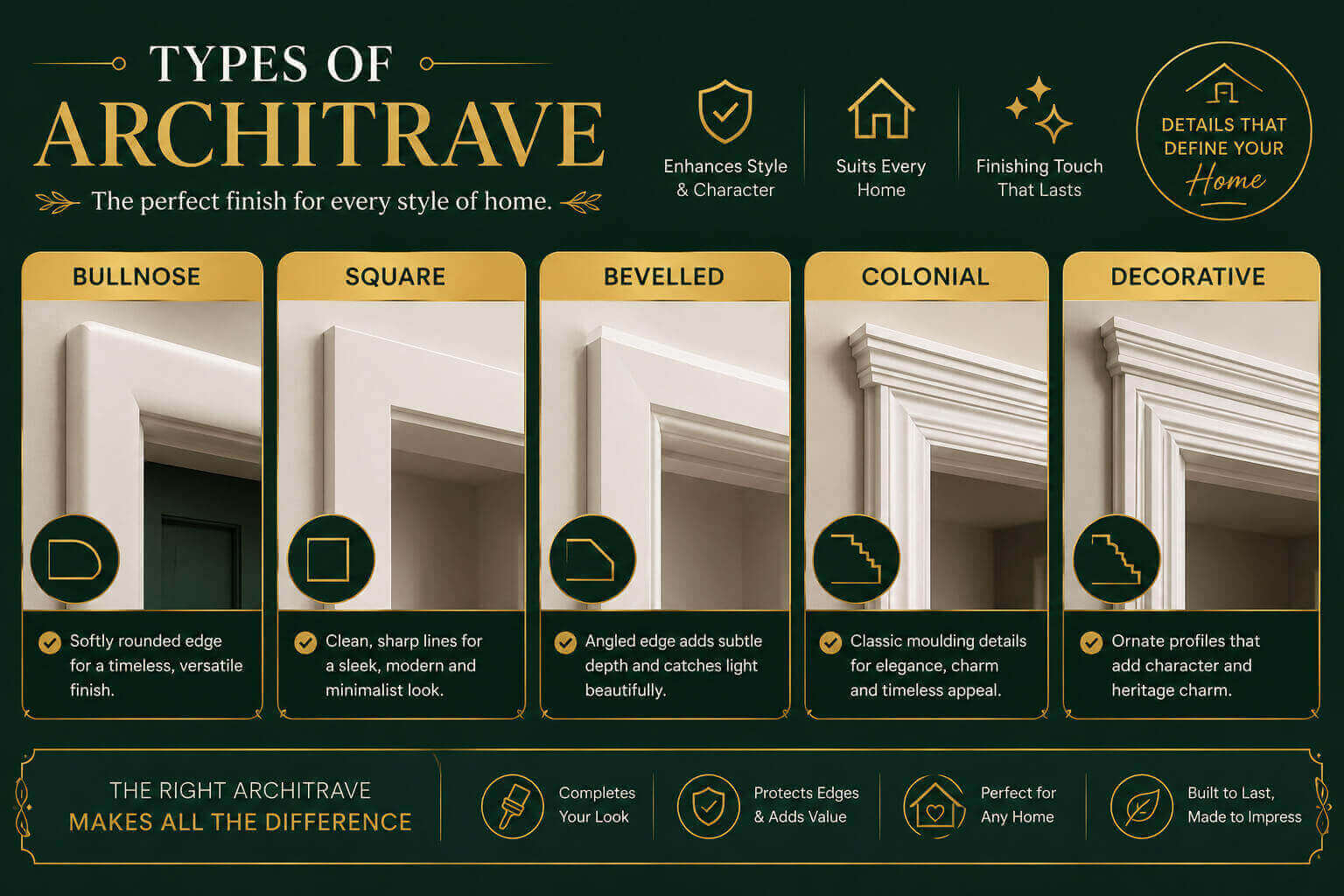
Architraves are available in a wide range of profiles, from simple contemporary designs to highly decorative mouldings inspired by traditional architecture. The style you choose can have a significant impact on the overall look and feel of your home, helping to reinforce your chosen interior aesthetic.
Bullnose Architrave
Bullnose architraves are characterised by their flat face and softly rounded edge. Their simple, understated design makes them one of the most versatile architrave profiles available.
Since they don’t draw excessive attention to themselves, bullnose architraves work well in both modern and traditional homes. They provide a clean finish without appearing overly decorative, making them a popular choice for homeowners seeking a timeless look.
Over the years, we’ve installed bullnose architraves in everything from first home builds to high-end renovations. Their simplicity allows them to complement a wide range of interior styles and colour schemes.
Read: Why Do You Need a Bulkhead in Your Home?
Square Architrave
Square architraves feature straight edges and sharp, clean lines with minimal detailing. This profile has become increasingly popular as contemporary and minimalist home designs have grown in demand.
The simplicity of square architraves helps create a sleek, uncluttered appearance, working particularly well with modern doors, square-set cornices, and contemporary interiors.
In many new builds across Brisbane and South East Queensland, square architraves are now one of the most requested options because they contribute to a clean architectural look while remaining practical and easy to maintain.
Get house eaves to protect your walls from water damage and reduce cooling costs.
Bevelled Architrave
Bevelled architraves feature an angled edge that creates subtle shadow lines and visual depth around doorways and windows.
This profile sits comfortably between traditional and modern design styles, making it a versatile choice for homeowners who want a little more character than a square profile without moving into highly decorative territory.
The angled edges catch natural light throughout the day, creating subtle variation and dimension that can make openings feel more defined.
Incorporate a rumpus room into your home for a flexible, and multifunctional family space.
Colonial Architrave
Colonial architraves feature more intricate moulding details and decorative profiles inspired by traditional Australian and colonial architecture.
These architraves add elegance, character and a sense of craftsmanship to a home. They are particularly well-suited to Hamptons-style homes, heritage-inspired designs and larger residences where architectural detailing plays a key role in the overall aesthetic.
When paired with matching skirting boards and decorative cornices, colonial architraves can create a timeless and sophisticated interior.
Decorative Architrave
Decorative architraves encompass a broad range of ornamental profiles features curves, grooves, stepped mouldings and intricate detailing.
These styles are commonly found in Victorian, Federation and heritage homes where architectural character is an important feature. Decorative architraves can instantly add charm and visual interest, helping to preserve the authenticity of older homes or create a more luxurious appearance in new builds.
When renovating period homes, we often recommend selecting architrave profiles that closely match the original detailing to maintain consistency throughout the property.
Find out all the types of houses in Australia.
Architraves Vs Skirting Boards
Architraves and skirting boards are often discussed together because they are both important finishing elements within a home. While they share some similarities and are frequently designed to match, they serve different purposes and are installed in different locations.
Simply put, architraves frame openings such as doors and windows, while skirting boards run along the bottom of walls where they meet the floor. Together, they help create clean transitions between surfaces and contribute to a polished, cohesive interior.
What do Skirting Boards Do?
Skirting boards, also known as baseboards, are fitted around the perimeter of a room at floor level. Their primary role is to protect walls from everyday knocks, scuffs and damage caused by furniture, vacuum cleaners and foot traffic.
They also provide an attractive transition between the wall and flooring, helping to visually anchor the room.
Choose between single storey vs double storey homes based on your lifestyle, block size and budget.
How are Architraves and Skirting Boards Similar?
From a manufacturing perspective, architraves and skirting boards are often made from the same materials and can even share identical profile designs.
For example, many suppliers offer matching ranges where a particular profile, such as colonial, bullnose or bevelled, is available in both architrave and skirting board formats. This allows homeowners to create a consistent design language throughout the home.
In many of the homes we build, matching architraves and skirting boards are one of the simplest ways to achieve a more cohesive and professionally finished appearance.
Discover the best suburbs in Brisbane for homebuyers!
How are They Different?
The most obvious difference is their location and size. Where skirting boards are taller and installed horizontally along the base of walls, architraves are typically narrower and fitted vertically and horizontally around doorways and windows.
Skirting boards primarily protect walls and create a transition to the floor, while architraves conceal the frame to wall junctions and enhance the appearance of openings.
Because architraves are installed around doors and windows, they naturally draw the eye and can have a greater influence on the overall architectural style of a room.
In most cases, we recommend selecting your skirting boards and architraves together rather than treating them as separate decisions. When these finishing details are coordinated, the entire home feels more intentional and refined.
It’s a relatively small design choice, but one that can have a surprisingly large impact on the overall quality and appearance of the finished home.
Did you know your house orientation impacts your comfort, energy bills and long-term resale value?
Architraves vs Door Casings
The terms architrave and door casing are often used interchangeably, but they actually refer to two different components of a doorway. Understanding the distinction can help homeowners make more informed decisions when planning a build or renovation.
A door casing is the structural framework that surrounds and supports the door. It forms the opening within the wall and provides the surface to which the door hinges, strike plate and door itself are attached. Without the door casing, the door would have no stable frame to operate within.
An architrave, on the other hand, is the decorative trim installed around the outside of the door casing. Its primary purpose is to conceal the joint between the wall and the door frame, creating a neat and professional finish. A simple way to think about it is that the door casing provides the structure, while the architrave provides the finishing touch.
As builders, we often explain it using the analogy of a picture frame. The door casing is like the framework that holds everything together, while the architrave is the decorative border that enhances the final presentation.
Try government grants like the First Home Owner Grant (FHOG) if you are a first home buyer looking to afford your dream property.
Why Does the Difference Matter?
For most homeowners, the distinction becomes important when selecting finishes and discussing design options with builders or suppliers. While the door casing is largely determined by structural requirements, the architrave offers an opportunity to introduce style and character into the space.
Whether you choose a simple square profile for a contemporary home or a more decorative moulding for a traditional design, the architrave is the visible element that helps define the look and feel of the doorway.
In our experience, homeowners rarely notice the door casing itself once the home is complete, but they certainly notice the impact that well-chosen architraves have on the overall finish and quality of the interior.
How to Choose the Right Architrave for Your Home?
Choosing the right architrave ultimately comes down to your home’s architectural style and personal preference.
- Modern and minimalist homes typically suit square or bevelled profiles.
- Contemporary family homes often work well with bullnose architraves due to their versatility.
- Hamptons, traditional and colonial-inspired homes generally benefit from colonial profiles.
- Heritage and character homes are best complemented by decorative architraves that reflect the property’s original design features.
If you’re unsure which profile to choose, it’s often worth viewing full-size samples in your home rather than relying solely on catalogue images. In our experience, seeing the profile installed against your walls, doors, and skirting boards makes the decision much easier and helps ensure the finished result feels balanced and cohesive.
DIY Architrave
For experienced DIY enthusiasts, fitting architraves can be a manageable project. The general process includes:
- Marking a consistent reveal around the door frame.
- Measuring and cutting the headpiece with 45-degree mitres.
- Fix the top piece securely.
- Measuring and cutting side pieces.
- Gluing and securing mitred joints.
- Filling nail holes and gaps.
- Standing and painting for a seamless finish.
While installation is straightforward in theory, achieving perfect mitre joints often takes practice. In our experience, accurate measuring and quality cutting tools make all the difference.
Compare townhouse vs apartments for your next property venture.
How to Maintain and Care for Architraves?
Although commonly associated with doors, architraves and their uses extend far beyond standard door frames. They can be used throughout a home to create consistency, conceal joins and add architectural detail to a variety of openings.
Around Doors
As mentioned, doorways remain the most common location for architraves. They provide a clean transition between the wall and door frame while helping define the opening and enhancing the room’s overall appearance.
Around Windows
Architraves are frequently installed around internal window frames to create a more finished and decorative look. Matching window architraves with door architraves helps establish a consistent design language throughout the home and can make individual rooms feel more connected.
Find out how ceiling height impacts your home value.
Around Built-in Wardrobes and Cupboards
Wardrobes, linen cupboards and storage cabinets often look more integrated when finished with matching architraves. This simple detail can transform basic storage areas into features that feel purpose-built and seamlessly incorporated into the home’s design.
Around Loft Hatches and Access Panels
A loft hatch or access panel can often appear unfinished when surrounded by exposed plasterboard edges. Installing architraves around these openings creates a cleaner appearance and helps them blend more naturally with the surrounding architecture.
Around Alcoves and Internal Openings
Architraves can also be used around decorative wall openings, internal pass-throughs and feature alcoves. These applications help define spaces and create visual interest while maintaining consistency with other trim elements throughout the home.
Check Out: City vs Suburb: Where Should I Live in Brisbane?
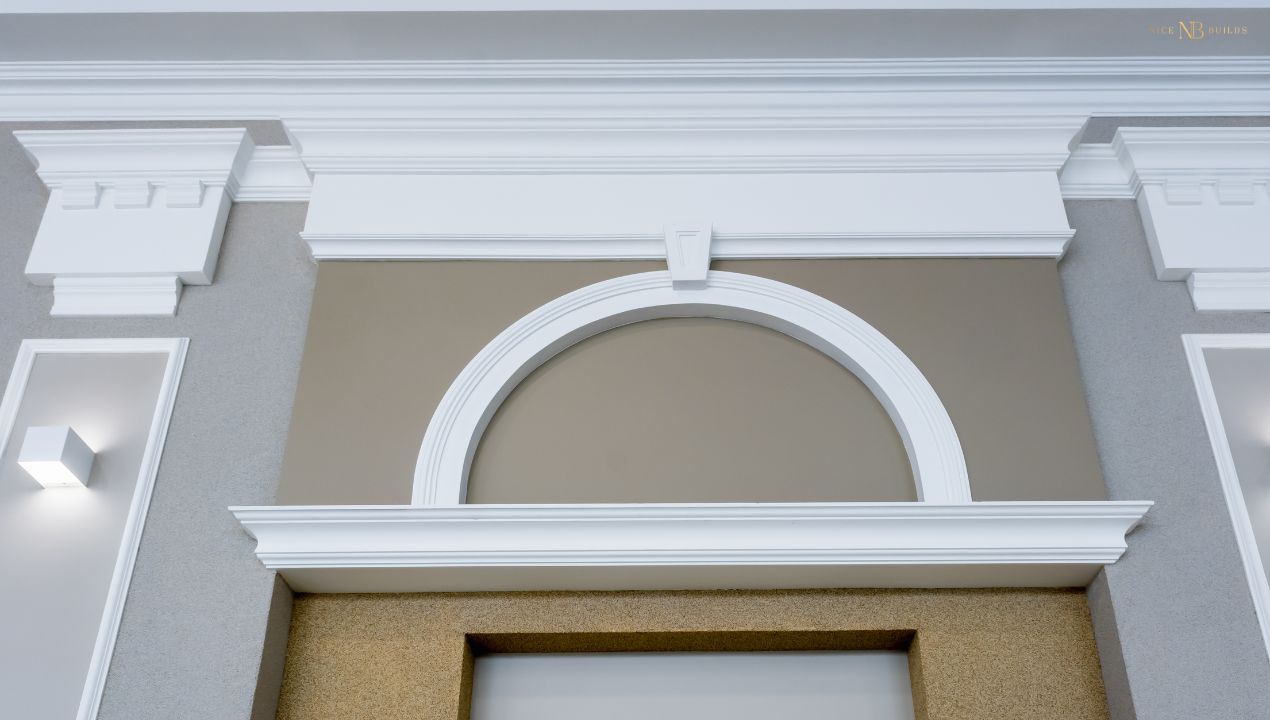
Ultimately, the right architrave profile can add depth, improve visual flow between spaces and reinforce the overall style of your home. Whether you’re building a contemporary residence, renovating a character home or designing your forever home from the ground up, architraves play an important role in achieving a polished and professional finish.
At Nice Builds, a trusted home builder based in Brisbane, we understand that every detail matters. From the structural framework through to the finishing touches, our goal is to help homeowners create homes that are both functional and beautifully finished. If you’re planning a new build or renovation in Brisbane or South East Queensland, our team is here to guide you through every stage of the process and ensure no detail is overlooked.
FAQs
Are Architraves Used in Modern Homes?
Absolutely. While architraves are often associated with traditional architecture, they remain a key feature in modern home design. Contemporary homes typically use square set, beveleed or slimline architrave profiles that complement clean lines and minimalist interiors.
Can Architraves Be Used as Skirting?
In some situations, yes. Because architraves and skirting boards are often manufactured using the same profile designs, certain architraves can be used as skirting boards if the dimensions are suitable.
However, skirting boards are generally designed to be taller and more robust, as they need to protect walls from everyday wear and tear. For the best results, we typically recommend using products specifically designed for their intended purpose while ensuring the profiles complement one another.
How Do Architraves Improve Interior Finishes?
Architraves help create a polished and professional appearance by concealing the junction between walls and door or window frames. They cover construction gaps, protect vulnerable edges and provide visual definition throughout the home. A well-chosen profile can add character, create visual consistency and enhance the perception of quality craftsmanship.
Are PU Architraves Better than Timber?
Neither material is necessarily better, the decision depends on your preference and circumstances. Polyurethane architraves offer excellent moisture resistance, stability and durability. They won’t warp, crack or swell due to humidity, making them particularly well-suited to Australian conditions and wet areas such as bathrooms and laundries.
Timber architraves, on the other hand, provide a natural appearance and timeless character that many homeowners prefer. They can be stained or clear-coated to showcase the grain and are often chosen for premium homes or traditional interiors.