Building a townhouse can be one of the smartest ways to maximise land value, create additional income streams and deliver modern housing in high-demand locations. Whether you’re a first home owner looking to develop your existing block of land or a unit, or a seasoned investor seeking strong rental returns, a townhouse is a practical and highly versatile solution.
The demand for well-designed townhouses continues to grow throughout Brisbane and South East Queensland. With changing times, the issues of rising property prices, shrinking block sizes and changing lifestyle preferences have made townhouses an increasingly attractive alternative to traditional detached homes.
However, it’s important to understand that building a townhouse involves much more than simply designing a home and commencing construction. From site selection and council approvals to budgeting, design considerations and long-term investment potential, numerous factors influence the success of your build.
Explore gable roof and its types for fresh home-building inspiration!
What is a Townhouse?
Having worked with homeowners, investors and developers on townhouse projects throughout Brisbane, we have seen firsthand how proper planning can help save significant time, money and stress.
It’s obvious that the most successful developments begin with a clear understanding of what’s possible on the site, what local regulations apply and how to design a home that not only meets current demand but also future ones.
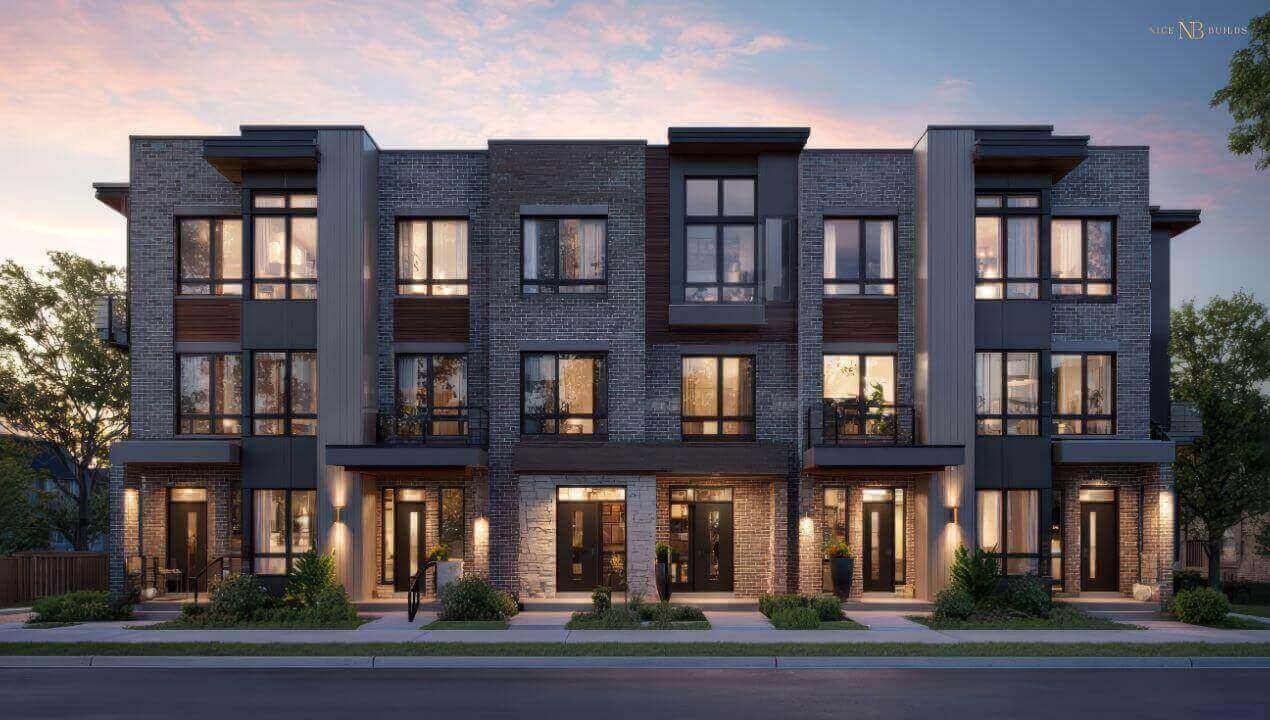
So, what is a townhouse? A townhouse is essentially an attached residential dwelling that shares one or more walls with neighbouring homes while maintaining its own private entrance, services and title.
Unlike apartments, townhouses offer a greater sense of independence, often featuring multiple levels, private outdoor spaces, and direct street access. While the benefits aren’t significantly different from those of a standalone home, townhouses make more efficient use of land, which makes them extremely popular in urban and suburban areas where land is limited.
Townhouse developments can range from two attached dwellings to larger multi-unit residential properties. In several cases, individual homes are held under strata title, which is a type of property ownership where shared responsibility is expected for common areas with other owners.
Townhouse Vs Duplex
One of the most common questions we receive from clients is whether a townhouse is the same as a duplex. It can be confusing, since they do share similarities, but there are some important distinctions.
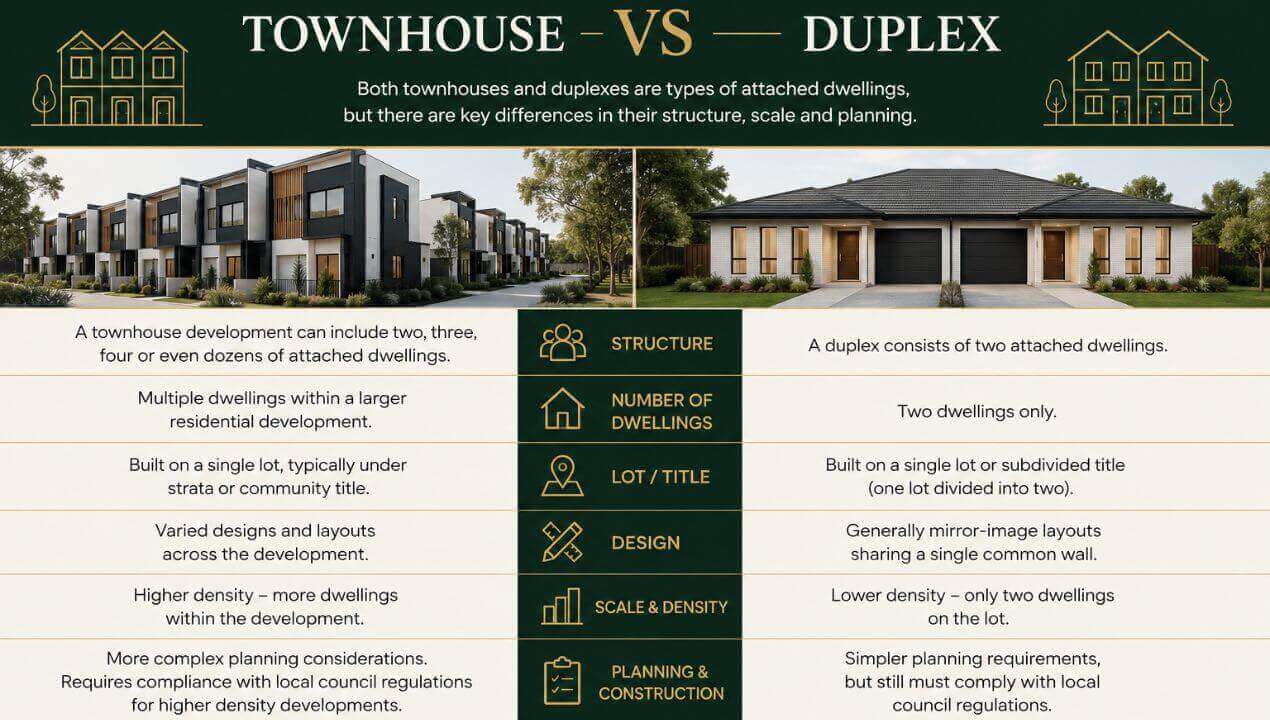
A duplex typically consists of two attached dwellings built on a single lot or subdivided title. The homes generally share a single common wall and are often designed as mirror-image layouts. On the other hand, a townhouse can include two, three, four or even dozens of attached dwellings within a larger residential development.
When looking at both establishments from a construction perspective, both require careful planning and compliance with local council regulations, but generally, townhouse developments involve more complex planning considerations due to their high density.
Check Out: A Complete Guide to Hamptons Style Homes.
Characteristics of Townhouses
While every townhouse development is different, most modern townhouses share several defining features that set them apart from detached homes, apartments and duplexes. Understanding the key characteristics of a townhouse design can help you make informed decisions throughout your planning and construction process.
Efficient Use of Land
With rising land prices, it’s rare for many to be able to afford standalone homes, which is why efficient land use has become increasingly important. Townhouses are specifically designed to make better use of available land while still delivering comfortable and functional living spaces.
Where detached homes require larger lots and wider frontages, townhouse developments can accommodate multiple dwellings on a single site without compromising liveability. For homeowners looking to unlock the value of their property and investors seeking to maximise rental yield through multi-dwelling development, townhouses are perfect.
Confused whether to renovate or rebuild? Consider your home condition, budget and desired changes!
Multi-Level Design
When you look at a townhouse, its multi-level design stands out as one of its most recognisable features. Most townhouses are built across two or more storeys, allowing homeowners to maximise living without the need for a large block of land.
With this vertical approach, there is a practical separation between living and private areas. Open-plan kitchens, dining rooms and living spaces are typically located on the ground floor, while bedrooms, bathrooms and study areas are positioned upstairs for greater privacy.
Try feng shui to create harmony between your home and yourself.
Modern and Functional Layout
Contemporary townhouse designs focus on creating practical living environments that suit modern lifestyles. Many townhouses feature the following layout additions:
- Open-plan living and dining
- Larger windows
- Seamless indoor-outdoor connections
- Dedicated home office spaces
- Energy-efficient design features
- Flexible floor plans for growing families
When we recommend townhouse designs, one of our key priorities is providing properties that create a sense of openness. With thoughtful floor plans, standard ceilings and strategic window placement, even compact sites can feel spacious and inviting.
Sound and Shared Walls
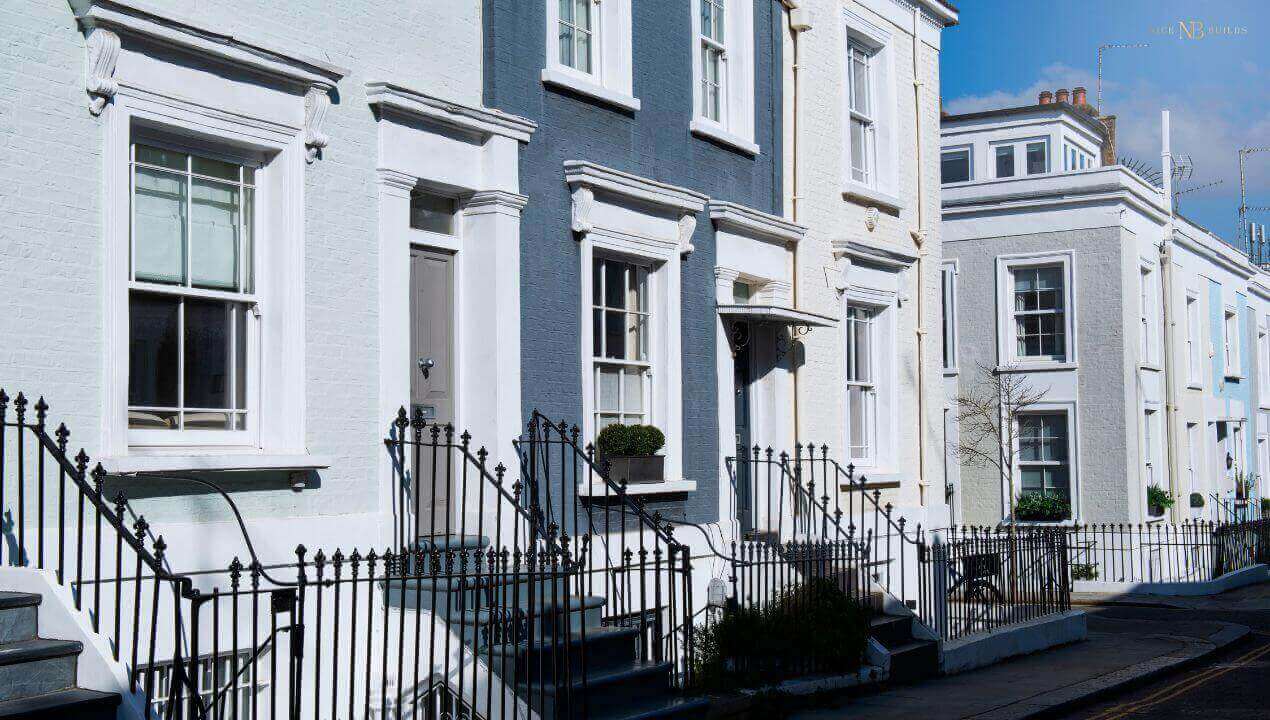
As you know, townhouses share one or more walls with neighbouring homes. While many might assume that this is a disadvantage, modern townhouse construction methods have significantly improved acoustic performance and privacy.
Noise transfer will not be a concern since today’s building standards require robust wall systems that incorporate insulation, fire separation and soundproofing measures. Quality construction techniques can make a substantial difference to the comfort and long-term performance of a townhouse development.
Privacy and Individuality
Unlike apartments, where residents are forced to share common entrances, floors and corridors, townhouses typically have their own private street access. You have a private entrance that provides a stronger sense of ownership, independence and connection to the home. It also allows homeowners to personalise their property’s street appeal through landscaping, architectural features, lighting and exterior finishes.
The individuality that townhouses offer is one of the many reasons why buyers prefer townhouse living over apartment living.
Outdoor Living Spaces
If you think that townhouses won’t be flexible enough for outdoor living spaces, then you are so wrong. Despite having a compact footprint, many townhouses incorporate private outdoor areas such as courtyards, patios, balconies or small gardens.
These outdoor spaces play an essential role in modern townhouse design, providing residents with opportunities to relax, entertain, and enjoy time outside without the maintenance requirements that come with a larger backyard.
Over the years, we’ve seen growing demand for outdoor living spaces that function as an extension of the home. Features including alfresco areas, seating, landscaped courtyards and low-maintenance gardens are significant for enhancing both lifestyle and property value.
Get eaves on your roof to protect walls from water damage!
Low-Maintenance Living
One of the main advantages of townhouse living is reduced maintenance. Given the compact spacing, townhouses require less time and effort to maintain, making them particularly appealing for professionals, investors and busy families alike.
Smaller gardens, managed floor plans and modern construction inclusions help reduce ongoing maintenance while still delivering comfortable living spaces.
Advantages
- Townhouses are more affordable than detached homes.
- Land is utilised better.
- Maintenance is much easier.
- Strong investment potential due to broad market appeal.
- Greater privacy compared to apartment living.
- Highly energy efficient when designed and constructed correctly.
- Many townhouses are conveniently located near employment hubs, schools, public transport, etc.
- Townhouse designs are modern and flexible.
Read: City vs Suburb: Where Should I Live in Brisbane?
Disadvantages
- Strata fees and body corporate fees need to be paid.
- Depending on the development, homeowners may face restrictions when making external modifications or renovations.
- Some level of noise transfer can occur despite strict acoustic and fire separation measures.
- Offer less outdoor space compared to traditional detached homes.
- Multi-level living might not be comfortable for everyone.
- Depending on the site’s location and size, parking arrangements can be limited sometimes.
- Market performance for townhouses can vary by location; the market is pretty uncertain.
The Townhouse Building Process
If you’re serious about your townhouse purchase, you need to understand that building one is complex, it requires careful planning, expert design and experienced project management. Whether you’re developing a dual occupancy property or an investment townhouse, with an insight into how the construction works, you can make informed decisions and avoid costly delays.
Initial Consultation and Site Assessment
Any successful build begins with a detailed consultation. During this stage, builders take time understanding your goals, budget, timeline and vision for the development. Whether you’re looking to maximise the value of an existing block, create a rental income stream or build your dream home, defining objectives early helps shape the entire project.
At Nice Builds, we assess the property’s development potential by reviewing site dimensions, existing structures, access requirements, topography and drainage, easements, local zoning regulations and more. A detailed site assessment can help identify potential challenges before they become expensive problems later.
Feasibility and Planning
Before investing in detailed designs, it’s important that you determine whether your townhouse development is financially and practically viable. A feasibility assessment is necessary here since it examines everything, including your development costs, construction timelines, council requirements, resale value, rental return projections and service requirements.
A feasibility test helps ensure the project aligns with both your budget and long-term objectives. For investors and builders, feasibility planning is often one of the most important steps in the entire building process.
Conceptualisation and Design
With feasibility confirmed, the design phase begins. This is where ideas start to transform into a functional townhouse design tailored to your site and lifestyle requirements. Working alongside designers, architects and planning consultants, detailed concepts are developed to maximise both liveability and development potential.
Approvals and Council Applications
Before the construction can begin, the project requires approval from the local council or any relevant authority. Depending on the size and complexity of the development, this stage may involve development applications, town planning assessments, engineering reports and more.
Approval timeframes can vary significantly depending on the local council and project complexity. Working with experienced builders and consultants can significantly help streamline the process and reduce the risk of unnecessary delays.
Incorporate a rumpus room into your home for a flexible, and multifunctional family space.
Detailed Documentation and Selections
With approval at hand, detailed construction documentation is prepared. This includes the technical drawings, engineering designs and specifications required to accurately price and construct development. At this stage, homeowners also make several key selections that influence the appearance and performance of the townhouse.
Site Prep and Groundworks
The first stage of construction begins with the site prep, which may include:
- Demolition of existing structures (in case of a knockdown rebuild)
- Site clearing
- Earthworks
- Excavation
- Retaining walls
- Soil preparation
The foundation system is then installed based on the site’s soil conditions and engineering requirements. Getting the groundwork right is critical to the long-term performance of the development.
Find out what a bulkhead does in your kitchen!
Construction Phase
Here’s where things get exciting: your townhouse transforms from plans to reality during the construction phase. After site prep, the construction phase generally includes structural framing, roofing installation, external cladding and brickwork, windows and doors, plumbing and drainage works, insulation and acoustic treatment, waterproofings, internal wall linings, flooring and tiling, etc.
Finishing
Once the main building works are complete, attention turns to the external areas. This stage often includes driveways and pathways, fencing and screening, turf and planting, courtyards and outdoor living spaces, letterboxes and signage.
Landscaping also plays an important role in the overall presentation of a townhouse and can significantly influence both resale value and buyer appeal.
Check out tips on choosing a home builder for a successful build.
Final Inspections and Handover
Before handover, the project undergoes a series of final inspections to ensure all work meets the required standards. Any minor defects or outstanding items are addressed before practical completion is achieved. Once all approvals and certifications have been issued, the townhouse is finally ready for occupancy and handover.
How Much Does It Cost?
Building a townhouse is a significant investment, and one of the first questions most homeowners and investors ask is, how much will it cost?
No two townhouse projects are the same. Construction costs can vary depending on factors like location, site conditions, design complexity, material selections and council requirements. Understanding where your budget is allocated can help you plan more effectively and avoid unexpected expenses throughout the project.
At Nice Builds, we believe that accurate budgeting starts with understanding the full scope of a build rather than focusing solely on construction costs.
Factors Influencing the Cost to Build a Townhouse
- Land Acquisition
- Site Conditions
- Design and Floor Plan Complexity
- Construction Materials
- Professional Fees and Consultants
- Council and Approval Costs
- Typical Construction Costs
Financing Options Available
Most townhouse projects require some type of external financing. Understanding your available options can help you structure the project in a way that aligns perfectly with your financial goals.
- Standard Home Loans: When purchasing land and building separately, standard home loans may be suitable.
- Construction Loans: Unlike traditional home loans, funds are released in stages as the construction progresses.
- Land Loans: If you are purchasing a development site before construction begins, a land loan may provide funding for the initial processing.
- Investment Loans: For larger townhouse developments or investment-focused projects, specialised investment loans can help.
Because every site, design and development opportunity is different, there is no one-size-fits-all answer when it comes to townhouse construction costs. The best way to understand your budget is through a detailed consultation and feasibility assessment.
Did you know that your house orientation impacts your comfort, energy bills and resale value?
Things to Consider When Building a Townhouse
Much before construction begins, there are numerous important factors that should be carefully evaluated.
Privacy
Maintaining privacy for both existing and future residents is a primary concern for councils when it comes to townhouses. Which is why they assess factors including building setbacks, window placements, and screening of your project. Their goal is to ensure adequate privacy is maintained between neighbouring properties.
Site Suitability
The success of any townhouse development starts with the land itself. Understanding soil conditions, topography, drainage requirements and site access helps identify potential challenges before they become costly issues.
Use architraves in your home to enhance style and protect door and window edges with durable mouldings.
Finances
You need to focus not only on construction costs when budgeting for your townhouse, but it’s also important to account for consultant fees, planning applications, infrastructure charges, landscaping, utility connections and contingency allowances.
Builder Experience
Not every home builder specialises in townhouse construction. You need to select a builder who has experience in multi-dwelling developments to reduce risk and ensure a smoother construction process.
Experienced builders understand the challenges associated with attached housing, including fire separation requirements, acoustic performance, complex service installations and staging requirements.
Choose between single storey vs double storey homes based on your lifestyle, block size and budget.
Council Approvals
Townhouse projects need development approval and building approval before construction can commence. Approval timeframes can vary significantly depending on the complexity of the proposal and local council requirements.
Discover all the different house types famous in Australia!
Future Market Demand
No matter what you’re building for, understanding local market conditions can help guide design decisions. Features such as home offices, energy efficiency, outdoor entertaining areas and flexible floor plans continue to be highly sought after by modern buyers.
Popular Design Trends in Townhouses
Townhouse designs have evolved plenty over the past decade. Today, homeowners and investors are looking for far more than just additional floor space in their townhouse; they want functional homes that are energy efficient, visually appealing and adaptable to their changing lifestyle.
Energy Efficient and Sustainable Design
Sustainability is no longer an optional extra, it’s a key consideration in modern townhouse design. Many homeowners are prioritising energy-efficient features that help reduce running costs while improving comfort throughout the year.
Sustainable features like solar power systems, energy-efficient appliances, and high-performance insulation are a must-have for many homeowners. From a builder’s perspective, incorporating these design principles early can help deliver the best long-term outcomes.
Contemporary Australian
Contemporary Australian design is particularly well-suited to townhouse construction because it embraces indoor-outdoor living and is perfect for the local climate. These homes are designed to maximise comfort, natural light and ventilation while maintaining a strong connection to outdoor spaces.
In our experience, contemporary Australian designs consistently perform well with both owner-occupiers and investors due to their broad market appeal and practical functionality.
Modern Minimalism
Modern minimalistic architecture continues to be one of the most popular townhouse design styles across Australia. Characterised by clean lines, simple forms, and uncluttered spaces, this style focuses on functionality without sacrificing visual appeal.
Some features include:
- Open-plan living areas
- Large windows and natural light
- Neutral colour palettes
- Minimal decorative amenity and elements
- Streamlined facades
- Simple roof designs
Coastal Chic
Coastal architecture has been popular throughout Queensland and other coastal regions for a while now. This design style on townhouses will be an instant hit because they focus on creating bright, relaxed living environments through the use of natural textures and light-filled spaces.
Elements like timber and stone finishes, high ceilings, raked roofs, open living areas, large windows and soft neutral colours are used to create a sense of openness and connection to the surrounding environment.
Urban Industrial
For innercity townhouse developments, industrial-inspired architecture remains a popular option. Drawing inspiration from converted warehouses and contemporary urban living, this style often incorporates exposed brickwork, steel and metal detailing, concrete finishes, oversized windows, and high ceilings.
Build Your Townhouse with Nice Builds
At Nice Builds, we understand that building a townhouse is about more than simply constructing a home. It’s about creating a property that delivers lasting value, suits your lifestyle and makes the most of your investment.
We’re a trusted builder based in Brisbane, with extensive experience delivering high-quality residential projects across the area and South East Queensland. Our team works closely with homeowners to bring their vision to life. If you’re considering building a townhouse and would like expert advice on your site’s potential, we’d love to help. Book an appointment now!