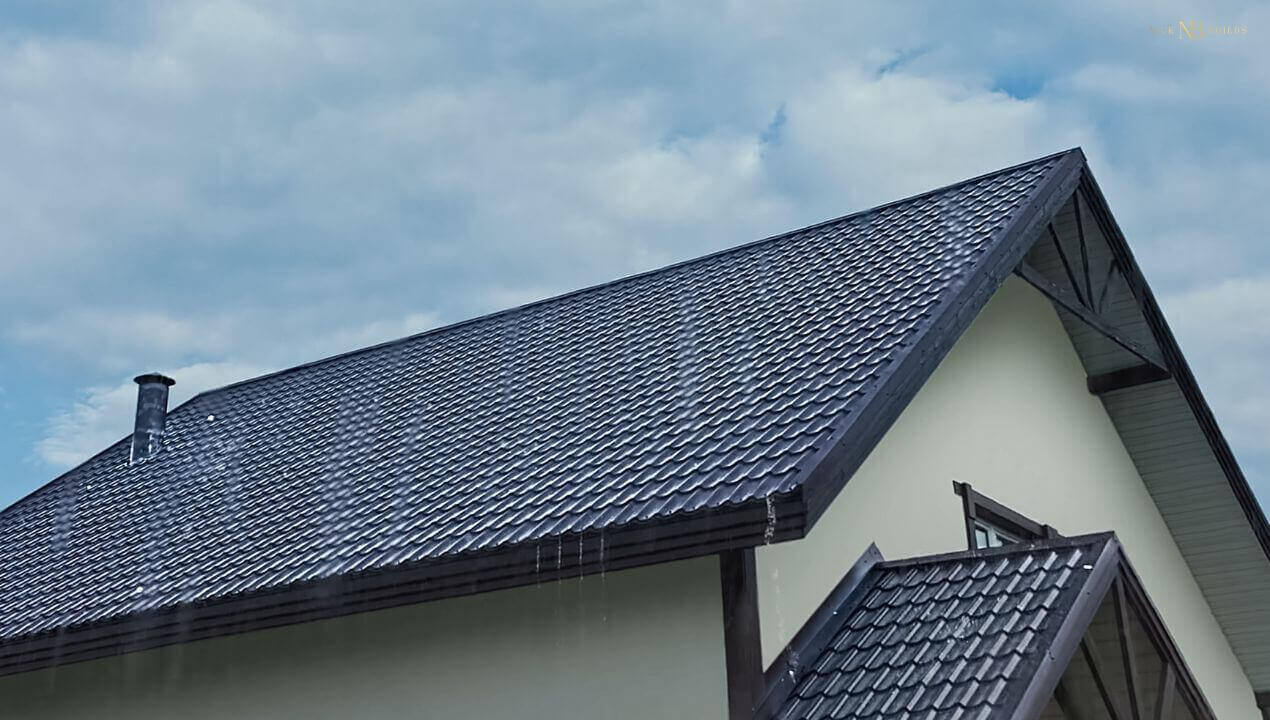
You must be seeing it everywhere: two sloping roof planes that meet at a central ridge, known as a gable roof or gabled roofs. It is one of the most recognisable and widely used roof designs in Australia, creating the classic triangular shape seen on homes across Queensland, New South Wales, Victoria, and beyond.
As custom home builders ourselves, we have designed and constructed countless homes featuring gable roof designs. While architectural trends are sure to keep evolving, gable roofs remain one of the most practical, cost-effective and visually appealing roofing solutions available.
Whether you’re building a custom home, renovating an existing property, or simply researching roof styles, understanding the advantages, limitations, and design options of a gabled roof can help you build the perfect home.
Is your old property beyond repair, but you don’t want to move homes? Try Knockdown rebuild, stay in the neighborhood you love and in a home that you adore!
Understanding Gable Roofs
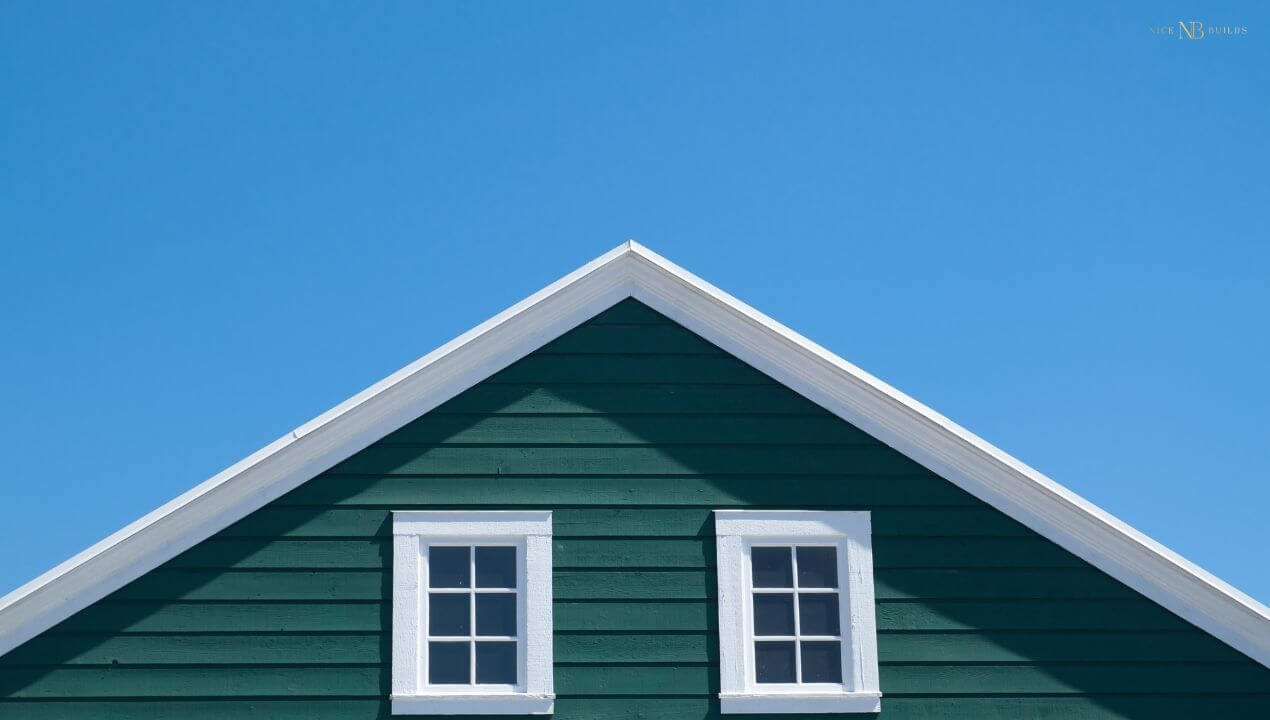
Let’s begin from the basics, a gable roof or a gable end roof, consists of two roof slopes adjoined at the center creating a triangle. The very shape formed beneath the roofline is known as the gable. These triangular sections are what people are referring to when they ask, what are gables on a roof?
It’s pretty simple, roof gables are vertical triangular portions of wall located between the edges of two roof slopes. When viewed from the side, the gable is the visible triangle at the end of the house.
Roof gables often become architectural features, incorporating windows, cladding, decorative timberwork, or feature materials to enhance street appeal.
Gable Roof and Gabled Roof: Is It Different?
Not at all. The two terms are used interchangeably. A gable roof and a gabled roof refer to the same roof design. Usually, the term gabled is used to describe a roof that contains one or more gables. Both are commonly used by builders, architects and homeowners throughout Australia.
Have similar questions, but afraid you’ll seem dense? Book an appointment with Nice Builds. With us, there’s zero judgement, 100% support!
Confused whether to Renovate or Rebuild? Find out now!
Key Components of Gable Roofs
As beautiful as gable roofs appear, they’re just as functional. Understanding the structural elements of a gable roof can help homeowners better appreciate how the system works.
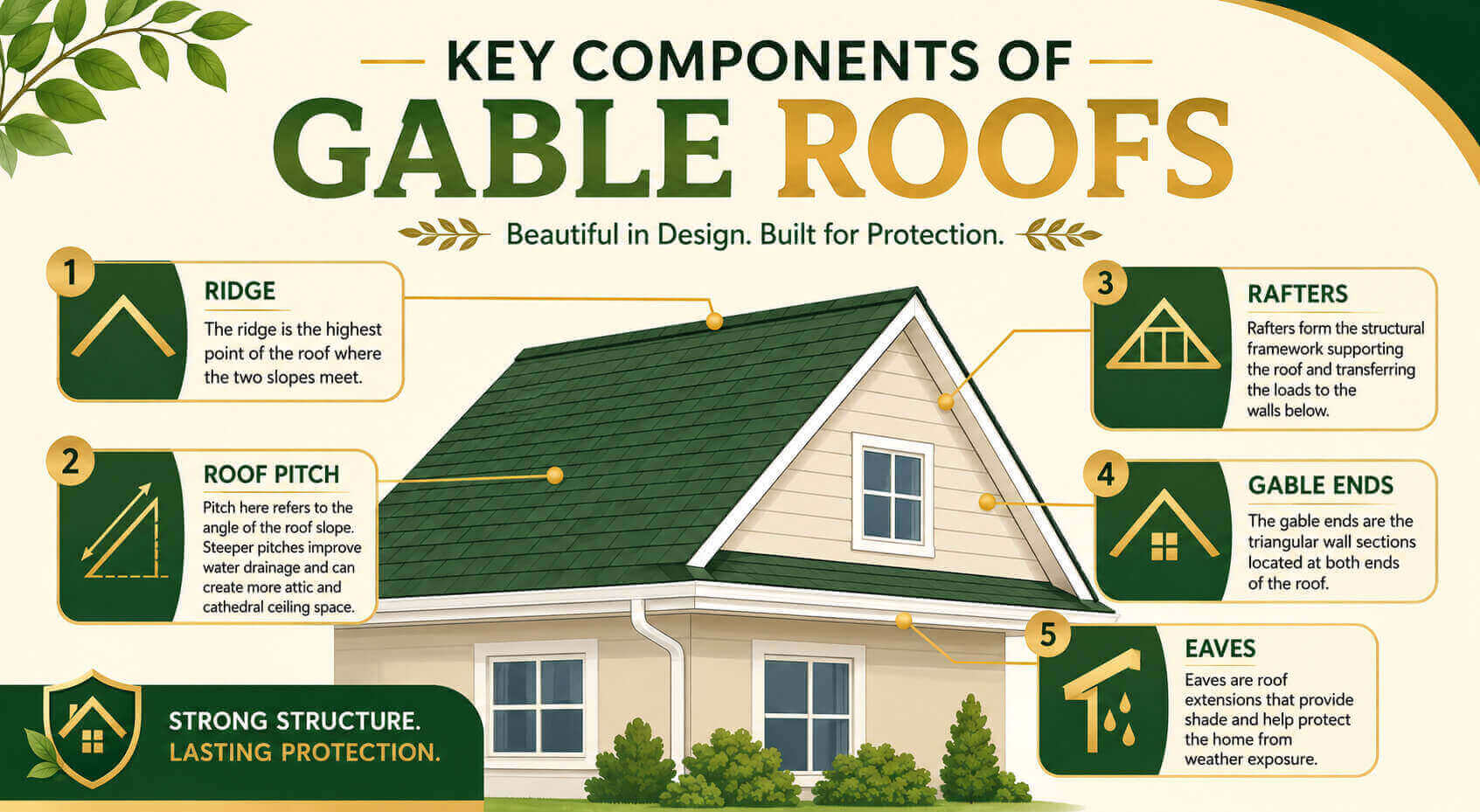
- Ridge: The ridge is the highest point of the roof where the two slopes meet.
- Roof Pitch: Pitch here refers to the angle of the roof slope. It is worth noting that steeper pitches improve water drainage and can create more attic and cathedral ceiling space.
- Rafters: Rafters form the structural framework supporting the roof and transferring the loads to the walls below.
- Gable Ends: The gable ends are the triangular wall sections located at both ends of the roof.
- Eaves: Eaves are roof extensions that provide shade and help protect the home from weather exposure.
Types of Gable Roof
Gable roofs among all popular roof types in Australia are famous for design flexibility. While the basic structure remains more or less the same, several variations can dramatically change a home’s appearance, functionality and internal space.
The right gable roof design for you depends on factors such as your home’s layout, architectural style, block orientation, and local climate conditions. Different gable roof styles suit different lifestyles and design goals, which is why understanding the available options is an important part of the planning process.
Standard Gable
A standard gable is the most common and recognised form of a gabled roof. It features two equal roof slopes that meet at a central ridge, creating a symmetrical triangular profile at each end of the home.
It’s simple, and the simplicity is its greatest strength. A standard gable roof is relatively straightforward to construct, making it one of the most cost-effective roofing options available. The clean lines and balanced proportions work equally well on traditional homes, Hamptons-style designs, modern farmhouses, townhouses and contemporary residences.
Box Gable Roof
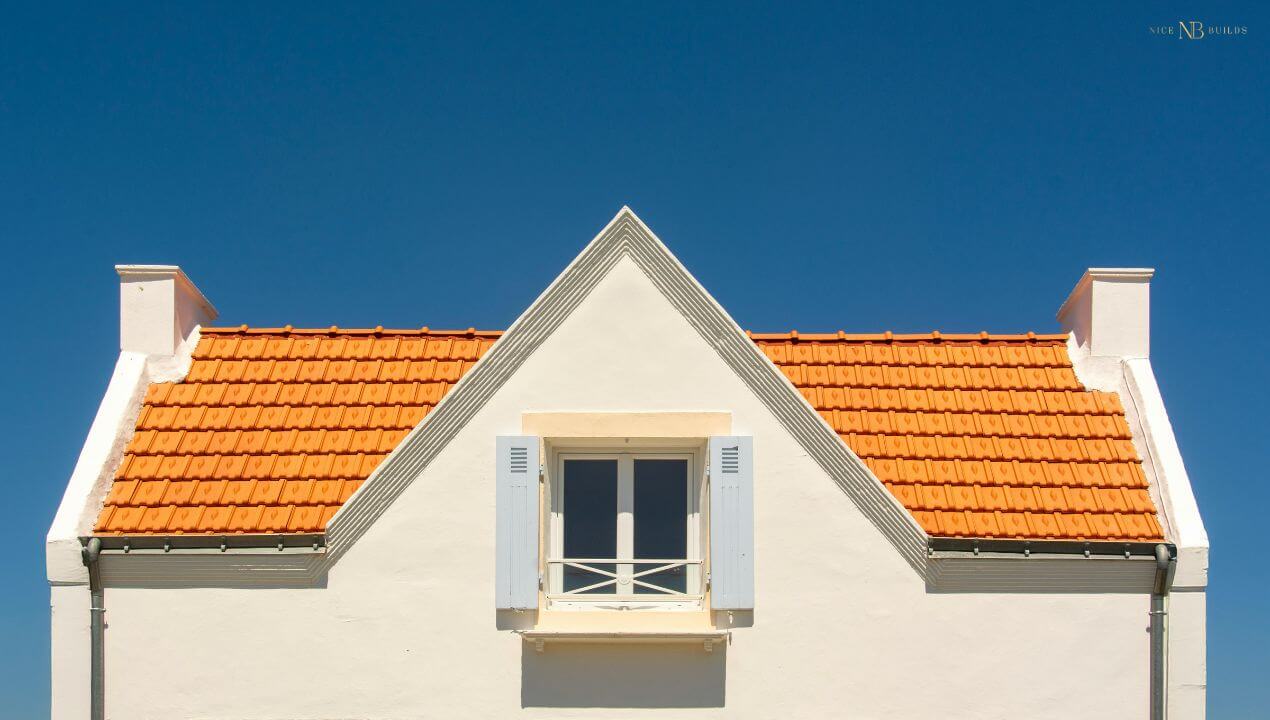
A box gable roof is like a rendition of the standard gable design. It extends the triangular gable end beyond the exterior wall line, creating a more pronounced and refined architectural appearance, giving the home additional visual depth and character.
Several homeowners choose a box gable roof because of its style that creates a stronger street presence while still maintaining the simplicity and functionality of a traditional gable roof.
If you are into decorative cladding, window inclusions and architectural detailing, the enclosed gable ends can provide several opportunities that enhance the curb appeal.
Figure out the best house orientation for your home for maximum comfort, energy saving and resale value.
Cross Gable
A cross gable, as the name suggests, consists of two or more intersecting gable roof sections positioned at right angles to one another. Each section typically covers a different part of the home, such as the main living area, garage, alfresco or bedroom wing.
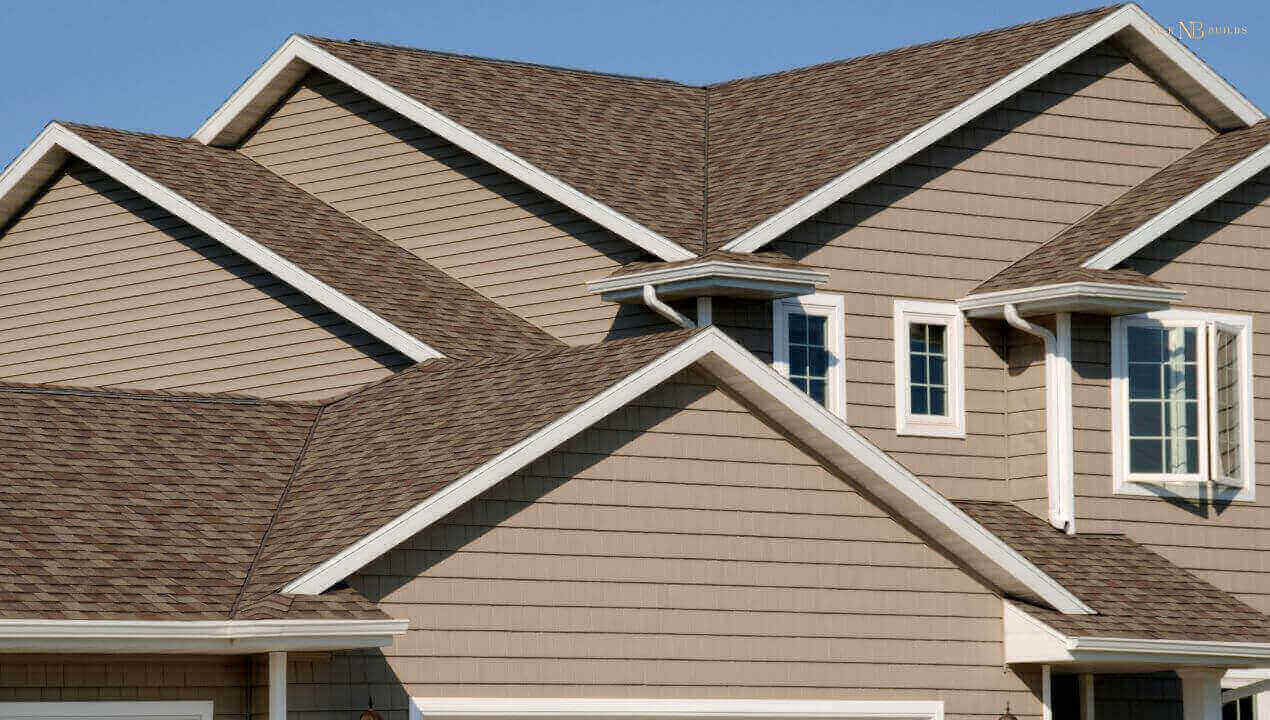
In larger homes where a single roofline seems impractical or visually heavy, the cross gable design breaks the roof into multiple sections, creating a more dynamic exterior while also accommodating complex floor plans.
Dutch Gable
Now, this one’s unique. A Dutch gable roof combines elements of both a traditional gable roof and a hip roof. It features a small gable positioned above a hipped roof section, creating a distinctive appearance that blends the benefits of both roof styles.
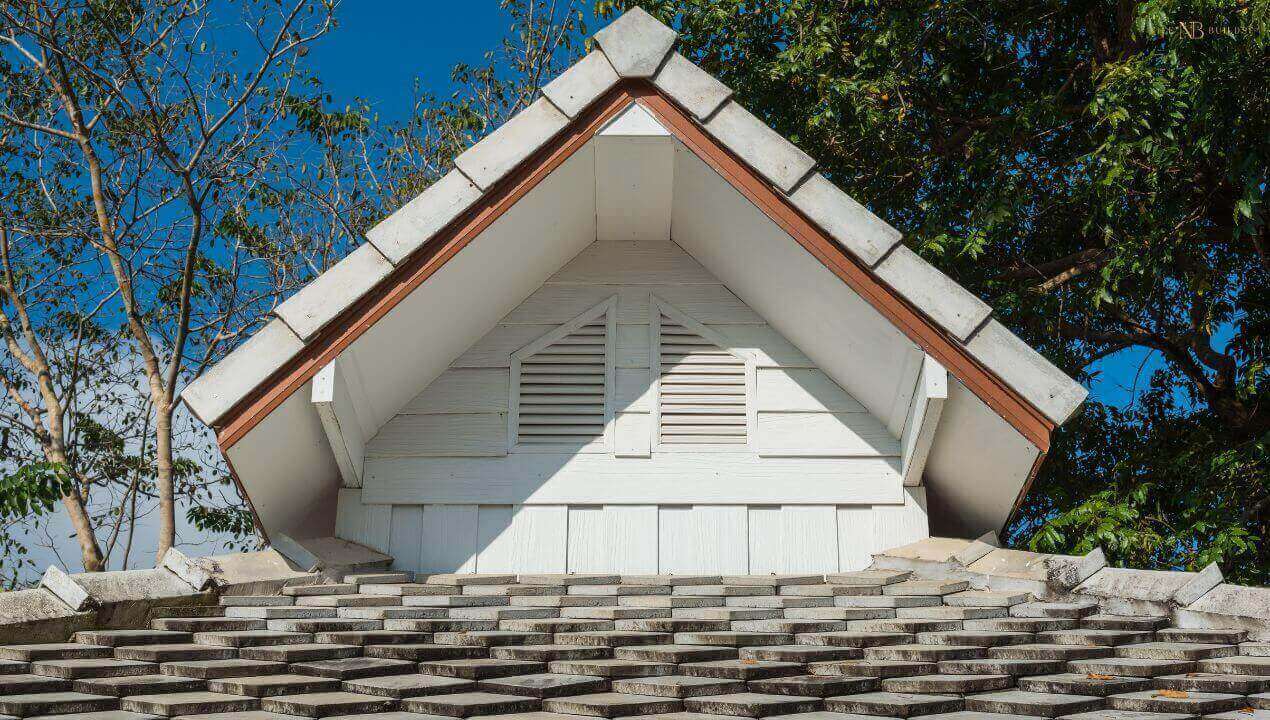
Dutch gables add sophistication to a home’s exterior. The design improves roof ventilation and provides additional roof cavity space compared to a standard hip roof or gable.
Check out our guide to understand the pros and cons of building on a sloping block.
Gambrel Roof
The gambrel roof is a specialised variation of a gable roof featuring two slopes on each side rather than one. The upper slope is relatively shallow, while the lower slope is much steeper.
This design maximises the amount of usable space within the roof structure, which seems to be a common issue for homeowners who’ve opted for the gable roof design. Historically, gambrel roofs were associated with barns and colonial architecture, but they’ve become increasingly popular in modern farmhouse and acreage home designs.
Saltbox Roof
A saltbox roof is an asymmetrical variation of the gable roof, characterised by one roof slope extending significantly further than the other. Like several gable roof designs, this one too originated in early colonial architecture but remains popular today for homeowners seeking a unique and distinctive appearance.
Beyond the visual appeal, the saltbox roof also offers excellent water drainage and can work particularly well on sloping sites. The asymmetrical profile also creates opportunities for interesting ceiling heights and architectural additions within the home.
Jerkinhead (Clipped Gable)
A jerkinhead roof, sometimes also referred to as a clipped gable roof, combines features of both gable and hip roofs, much like a Dutch gable roof. Here, unlike a full triangular gable, the peak is clipped, creating a small hip section at the top.
What the clipped section does is reduce the size of the gable end, making the roof more resistant to strong winds than a traditional gabled roof. The design is particularly beneficial in coastal regions or areas prone to severe weather events.
The jerkinhead roof creates this distinctive and funky architectural appearance that stands out from most conventional roof designs while still being immensely practical.
Choose between single storey vs double storey homes based on your lifestyle, block size and budget.
Best Roofing Materials for Gable Roof Homes
One of the many reasons why gable roofs remain so popular is due to their versatility. Their compatibility with a wide range of roofing materials makes them an easy construction basis. The simple, sloping sides of a gabled roof allow homeowners to choose from an array of premium roofing products without significant design limitations.
While the right material depends on your budget, style, local climate and maintenance preferences, as builders, we have found that selecting the right roofing material is just as important as choosing the right roof, so remember to make your decision with long-term performance in mind.
Incorporate a rumpus room into your home for a flexible, and multifunctional family space.
Metal Roofing
For modern gable roof homes throughout Australia, metal roofing is a befitting choice. It offers an excellent balance of durability, performance, and value, making it well-suited to the country’s diverse climate conditions.
It might be obvious, but one of the biggest advantages of metal roofing is its ability to withstand harsh weather. Quality metal roofing systems are designed to help withstand extreme heat, heavy rainfall, strong winds, and bushfire-prone areas.
Check out tips on choosing a home builder for a successful build.
Colorbond Roofing
Among Australian homeowners, Colorbond roofing remains one of the most trusted roofing materials. Manufactured specifically for Australian conditions, Colorbond steel is engineered to withstand intense UV exposure, coastal environments, heavy rain and temperature fluctuations.
Available in a wide range of colours, Colorbond roofing is a preferred choice for maintaining durability and contemporary aesthetics. Its lightweight construction also makes installation more efficient while reducing demands on the home’s structural framework.
Are you building your first home? Discover the first home owner grant that helps low-income households achieve homeownership!
Shingles
Roof shingles are another roofing option commonly used on gable roofs. Available in various materials including asphalt, timber and slate, shingles provide a textured appearance that adds character to a home’s exterior.
Asphalt shingles are the most widely used shingle roofing material due to their affordability and relatively simple installation process. They are available in several colours and styles, making them perfect for both traditional and contemporary homes.
On the other hand, timber shingles create a natural, rustic appearance that works particularly well on coastal homes, country retreats and heritage-inspired designs. Slate shingles, similarly, are considered one of the most premium roofing materials available. They’re known for their exceptional longevity and timeless appearance. Slate roofs can last for generations when properly maintained.
Tile Roofing
Tile roofing has been common in residential construction for centuries. The substantial weight of tile roofing creates a solid, premium feel and can contribute to sound reduction and weather resistance. Terracotta and concrete roof tiles are particularly well-suited for gable roof designs, providing both aesthetic appeal and long-term durability.
Terracotta roof tiles are manufactured from natural clay and fired at extremely high temperatures, producing a roofing material renowned for its strength, longevity and timelessness. Concrete tiles provide many of the same benefits as terracotta while often offering a more cost-effective alternative.
Both styles are exceptionally durable and reliable; your choice depends on what you desire, your budget, energy efficiency goals and maintenance preferences.
Pros of Gable Roof Design
The core advantages of a gabled roof are what make it an attractive and practical option for homeowners across Australia. From cost savings and weather performance to design flexibility and energy efficiency, a well-designed gable roof delivers a range of benefits that contribute to both functionality and long-term value for a home.
Affordability
One of the main reasons homeowners choose a gable roof is because of cost-effectiveness. Imagine how much complex roof designs like hip roofs, butterfly roofs, or intricate multi-level roof structures would cost compared to a gable roof, which requires simpler framing and fewer structural components while still looking fabulous.
Because they are simpler to build, the installation is faster, and construction complexities are minimised. For homeowners looking to maximise value without compromising performance or appearance, a gable roof is often one of the smartest investments available.
You might be interested in: What is the cost to build a house in Brisbane in 2026?
Excellent Water Drainage System
Australia’s climate is unpredictable, with several regions experiencing periods of intense rainfall and severe storms. The sloping roof planes of gable roofs help direct rainwater away from the home, reducing the likelihood of water pooling, leaks, and moisture-related damage.
In our experience building homes around Queensland, effective roof drainage has to be one of the most important aspects of roof design. A properly designed gabled roof helps minimise maintenance issues while improving the overall longevity of the roofing system.
Improved Ventilation
A gable roof naturally creates a large roof cavity, which can play an essential role in regulating temperature and airflow throughout the home.
This is how it works: as warm air rises, it escapes through ridge vents or a roof ventilation system near the roof peak, while cooler air enters through lower vents located near the eaves. This natural airflow cycle helps reduce heat build-up within the roof space and improves overall airflow.
Find the best suburbs to live in Brisbane.
Additional Roof and Attic Space
The triangular profile for a gable roofed home naturally generates additional ceiling height, which can be utilised in several ways depending on the home’s design. You can use the space for roof storage, cathedral ceilings, attic rooms, stylish bulkheads, loft spaces, or future living areas.
Ideal for Solar Panels
Sustainability is the talk absolutely everywhere, and it should be, with energy costs rising, more and more homeowners are investing in solar power systems to improve energy efficiency without taxing the environment.
A gable roof is particularly great for solar panel installation because it typically provides large, uninterrupted roof surfaces with minimal obstructions. This makes it easier to position solar panels for maximum sun exposure and energy generation.
Design Flexibility and Versatility
One of the reasons gable roofs has remained popular for centuries is their remarkable adaptability. Whether you’re building a contemporary custom home, a hamptons inspired residence, a farmhouse, a traditional family home or a coastal retreat, a gable roof can be tailored to suit almost any architectural style.
The clean roof lines make for a versatile design framework that allows architects and builders to incorporate a variety of features. Everything from dormer windows, cathedral or raked ceilings and skylights, to decorative cladding and facade treatments becomes possible.
Easy Maintenance and Durability
When a gable roof is well-designed, not only is it easier to inspect and maintain, but also easy to repair when any complications occur. The simple roof structure makes it easier for roofing professionals to identify and access potential issues, such as damaged roofing, flashing problems, blocked gutters, etc.
If you are focused on long-term ownership costs, the simplicity of a gable roof can be the best for you, considering the reduced maintenance requirements over the life of the home.
Cons of Gable Roofs
As many advantages as gabled roofs have, no roof design is perfect for every home or location. Understanding the potential limitations can help homeowners make a more informed decision while ensuring the design is appropriate for their site conditions and lifestyle needs.
Exposure to Strong Winds
One very commonly mentioned disadvantage of a gable roof is how vulnerable it is to high wind conditions. You might wonder how, and the answer is much simpler than you might have assumed. A gabled roof features larger vertical gable ends, which can be exposed to significant wind pressure during severe storms. This means that there’s additional stress placed on the roof structures as compared to other designs.
If not well-designed or braced, strong winds can potentially damage roofing materials due to excessive strain on structural connections. We recommend considering local climate early and carefully reviewing engineering requirements to ensure long-term strength.
Read: City vs Suburb: Where Should I Live in Brisbane?
Reduced Space
Despite the roof cavity space that gabled roofs provide, the sloping ceiling lines can limit how much of that space is fully usable. Unlike some designs that maximise the vertical wall height, the angled sides of a gable roof can reduce headroom near the edges of the roof cavity. This can affect how efficiently the space can be utilised if homeowners wish to transform the area into a loft, attic, storage or office.
Do the Cons Outweigh the Pros?
For most Australians, the answer would be no. Given the number of advantages, the drawbacks aren’t much at all. While limitations need to be considered, they are often manageable through proper design and engineering. When done correctly, a gable roof remains the most durable, practical and highly effective roofing solution for a wide range of home styles.
Gable Roof vs Skillion Roof: A Comparison
Both gable roofs and skillion roofs are popular choices in modern Australian home design, but they create very different architectural outcomes. Where a gable roof offers a traditional and timeless appearance, a skillion roof delivers a clean, contemporary aesthetic that has become increasingly popular in modern and minimalist homes.
A gable roof consists of two sloping roof planes that meet at the middle. The triangular wall sections on either end are known as gables, which give the roof its name. Whereas, a skillion roof, aka a shed roof, features a single roof plane that slopes in one direction. The roof rises from one side of the home to another, creating a sleek and angular appearance.
| Feature | Gable Roof | Skillion Roof |
| Appereance | Traditional but Timeless | Modern and Contemporary |
| Construction Complexity | Simple | Moderate |
| Cost Efficiency | Excellent | Good |
| Attic Spacing | Excellent | Limited |
| Ceiling Height Opportunities | Excellent | Excellent |
| Ventilation | Excellent | Good |
| Drainage | Excellent | Excellent |
| Architectural Flexibility | High | Best for modern homes |
Gable Roof vs Hip Roof: A Comparison
Both gable and hip roofs are widely used throughout Australia and offer distinct advantages depending on your budget, location, design preferences and long-term goals. While they may appear similar at first glance, their structural differences can significantly impact construction costs, internal space, weather performance and overall aesthetics.
Use architraves in your home to enhance style and protect door and window edges with durable mouldings.
A hip room, compared to a gable roof, slopes downward on all four sides of the structure. Instead of vertical gable ends, all sides of a hip roof angle towards the walls, creating a more uniform and enclosed roof shape.
| Feature | Gable Roof | Hip Roof |
| Construction Cost | Lower | Higher |
| Build Complexity | Simpler | More Complex |
| Wind Resistance | Good | Excellent |
| Attic Space | More | Less |
| Roof Ventilation | Excellent | Good |
| Maintenance Access | Easier | More Complex |
| Architectural Versatility | Excellent | Excellent |
Want to Build a Gable Roof Home?
For many homeowners, a gable roof strikes an excellent balance between affordability, functionality and visual appeal. Its straightforward design allows for efficient construction, effective drainage, excellent ventilation and timeless structure.
As builders, we’ve found gable roof homes to be one of the most requested roof styles because they adapt so well to different block types, budgets and home designs. However, they cannot be for everyone, so make sure to decide accordingly.
Regardless of your choice, if you’re planning to build a home, Nice Builds, your trusted home builder based in Brisbane, is only a single click away. We have a series of custom home designs that feature all sorts of roof styles. Pick the one you like and become the homeowner of your dreams!
FAQs
Why are Gabled Roofs so Popular in Australia?
Despite having a long history, gabled roofs are exceptionally timeless. The clean lines and balanced proportions of a gable roof enhance the overall appeal of a home, making it popular among Australians even today!
Are Gable Roofs Cheaper to Build?
Generally yes. Gable roofs have a straightforward design that typically requires fewer materials and less labour than more complex roof structures.
What are Gable Roofs Good for?
Gable roofs work well to shed water and snow, thanks to their steep pitch, making them an excellent choice for homeowners who live in areas that receive heavy rainfall or snowfall.