Choosing a flooring option is one of those decisions that can look simple on a house plan and become surprisingly important once you start living in the home. The right floor needs to complement your house design, cope with everyday wear and tear, feel comfortable underfoot and suit the way your family actually uses each space. And for homeowners building a modern house or planning a renovation, there are more options available than ever. From the natural beauty of a timber floor and the softness of carpet to practical tile, vinyl, laminate flooring and increasingly popular hybrid flooring, each material brings its own balance of style, durability, maintenance and cost.
A surface that looks fantastic in a display home may not be the smartest choice for a busy family, a pet-friendly household or a compact small house Australia design. Likewise, a beautiful material can become frustrating if it isn’t suited to moisture, sunlight, heavy foot traffic or the demands of everyday life. This is particularly important in Australian homes, where climate and lifestyle can vary dramatically from one region to another. A cool tile might be perfect for a warm Queensland home, while a cosy carpet or timber finish may be more appealing in a cooler climate. Kitchens, bathrooms, laundries, bedrooms and open living spaces also have very different flooring needs.
So, what even is the best flooring for Australian homes? Let’s be real, there is no universal answer. The right flooring choice comes down to your home, your lifestyle, your budget and how you want each room to look and feel. To make it easy for you, we’ll compare the most popular flooring types, explore their pros and cons, and explain where each option works best. Whether you’re building from scratch, comparing options for different areas, or simply trying to choose the right surface for your next project, we’ll help you make a decision that looks good today and perform excellently for years to come.
A knockdown rebuild is a popular choice among Queenslanders today, find out how long a knockdown rebuild takes?
What Should You Consider When Choosing Flooring Options?
Before falling in love with a particular colour, texture or finish of flooring, start with a more practical question: how does your household actually live? That’s when you know what you’re actually looking for.
Durability
For a family with children or pets, durability is primal. Floors in hallways, kitchens and living rooms deal with heavy foot traffic, dropped toys if you have kids, dirty shoes and the occasional spill, so a surface that is easy to maintain and resistant to everyday wear and tear can make a noticeable difference.
Moisture
Kitchens and laundries need flooring that can handle everyday splashes, while bathrooms and other wet areas require materials specifically suited to moisture. A floor that performs beautifully in a dry bedroom may not be the right flooring option for a room where water is part of daily life.
Comfort
Carpeted surfaces create a soft and cosy atmosphere, while timber surfaces and other hard flooring options offer a cleaner, more streamlined feel. If you live in a cooler part of Australia, you may want something warmer underfoot, whereas in warmer regions, a cooler surface such as tile can be appealing.
Layout or Floorplan
In open plan living, using the same visually complementary flooring throughout connected spaces can create a stronger sense of flow. This is particularly useful when working with smaller floor plans, where too many changes in flooring colour or pattern can make the home feel visually fragmented.
Lighting
This is often neglected but shouldn’t be, natural light directly affects how your room looks and how the flooring complements the home. A lighter flooring colour, wider plank and low sheen finish can help reflect light and create a more spacious feel, which can be especially effective in a small house. Darker tones can also make a statement, but they do tend to create a stronger visual presence. If that’s your thing, go for it.
Design the perfect outdoor space for your home.
Why Flooring Choice Matters in Small Spaces?
In a smaller home, flooring does more than cover the surface beneath your feet, it can influence how spacious the entire room feels. With less wall area and shorter sightlines, the floor becomes a large, uninterrupted visual element. If you choose well enough, it can make a compact space feel open and connected. Choose poorly, and even a beautifully designed room can feel busy.
Keep the Colour Palette Light
Light and neutral flooring colours can reflect natural and artificial light, helping a room feel brighter and more open. Pale oak, soft ash, warm beige and light grey with warm undertones are versatile choices that work particularly well with a modern house design.
At the same time, dark flooring can also be an option. However, while deeper colours can add drama and sophistication, they create stronger contrast and can make a compact room feel more enclosed. If your floor plans already have plenty of visual detail, a quieter floor may be the smarter choice.
Think Wider, Longer and Simpler
The width and direction of your plank can also influence how your home is perceived. Wider boards with fewer visible joins create longer visual lines, reducing the sense of visual clutter. Where possible, continuing a similar floor between connected rooms can also improve the sense of continuity. This works particularly well in open living areas and can make a small home feel like one cohesive living space rather than a collection of separate rooms.
Choose a Low Sheen Finish
A matte or low sheen finish is often more forgiving than a highly polished surface. Glossy floors can reflect light unevenly and make dust, scratches and everyday marks more noticeable, however, a softer finish creates a calmer appearance while allowing the character of the flooring material to take center stage.
For homeowners building a display home for investment or planning their own Australian house, these details are worth considering early. Flooring works alongside your cabinetry, walls, lighting and furniture, so getting the scale and tone right can have a surprisingly large impact.
Choose between single storey vs double storey homes for your new build!
Timber Flooring
Few flooring materials have the ability to make a home feel instantly warmer like genuine timber. Its natural variation, texture and character give every room a sense of depth that is difficult to reproduce with a printed surface. For homeowners who want a timeless interior, timber remains one of the most appealing choices.
Hardwood Flooring
Hardwood flooring is made from solid pieces of natural wood, with popular species including oak, spotted gum, blackbutt, jarrah and other Australian timbers. Each board has its own grain, colour variation and markings, giving the finished floor a genuinely individual appearance.
One of the biggest advantages of real timber is longevity. With appropriate care, quality hardwood can last for decades, and its surface can often be sanded and refinished when it starts showing signs of wear and tear. That ability to refresh the floor rather than replace it can also contribute to long-term resale value.
Timber is remarkably versatile, too. It works with traditional interiors just as comfortably as it does with a contemporary modern house. Whether you’re designing a warm family home or a more refined Australian house, the natural grain provides a neutral foundation for changing furniture and decor.
However, you ought to remember that timber isn’t completely maintenance-free. Hardwood can be vulnerable to dents, scratches and moisture, particularly in areas where spills are common. Changes in temperature or humidity can also cause natural timber to expand and contract, which is why installation and site conditions matter.
For that reason, we often see engineered timber flooring used in contemporary Australian builds. Rather than being made entirely from one piece of solid wood, engineered timber combines a genuine timber surface with a layered core. This construction provides greater dimensional stability while retaining much of the appearance and feel of natural wood.
Explore popular roof types in Australia.
Is timber right for your home?
If warmth, natural beauty and character are high on your list, timber is difficult to beat. It feels comfortable underfoot, ages beautifully and can suit almost any house design. That said, it isn’t automatically the best flooring option for every room. In moisture prone spaces or areas expecting constant spills, a more water resistant material may be the practical choice. And while solid timber offers an authentic finish, its higher upfront cost and maintenance requirements need to be considered as part of the overall budget.
You Might Be Interested In: What is the cost to build a house in Brisbane in 2026?
Bamboo Flooring
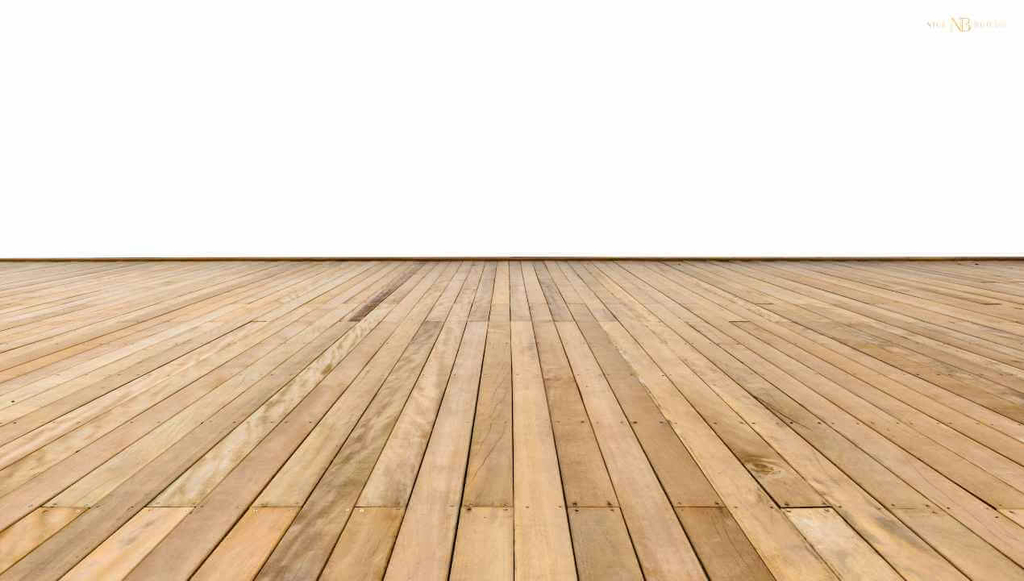
If you like the warmth and natural character of timber but want to explore something a little different, bamboo flooring is totally worth considering. Although bamboo is technically a grass rather than a traditional hardwood, it can provide a similar clean, contemporary appearance and works particularly well with modern interiors.
One of its biggest attractions is how high-quality bamboo can be surprisingly durable and is available in a range of colours, finishes and plank styles. Not only does this make it easier to work into different house design approaches, but it can also suit bedrooms, hallways and living areas particularly well, especially when you want a natural-looking surface without committing to solid timber.
Building on a sloping block? Check out our guide to understand the pros and cons.
Bamboo can also offer a comfortable middle ground between carpet and harder flooring. It provides a warmer, more natural feel underfoot while maintaining the streamlined appearance many homeowners want in a contemporary home.
However, not all bamboo flooring is the same, every small detail from manufacturing quality, construction and protective finishes can vary significantly between products, so it’s essential to look beyond appearance when comparing options. Moisture is also another consideration, since bamboo is not automatically waterproof, it should be selected and installed according to the manufacturer’s specifications, particularly around kitchens and other wet areas.
For homeowners building or renovating, bamboo can be a stylish alternative to traditional timber. It isn’t necessarily the best flooring for every room, but when the product quality, installation and location are right, it can deliver a durable, natural-looking finish that complements both classic and modern Australian homes.
Try feng shui to create harmony between your home and yourself.
Vinyl Flooring
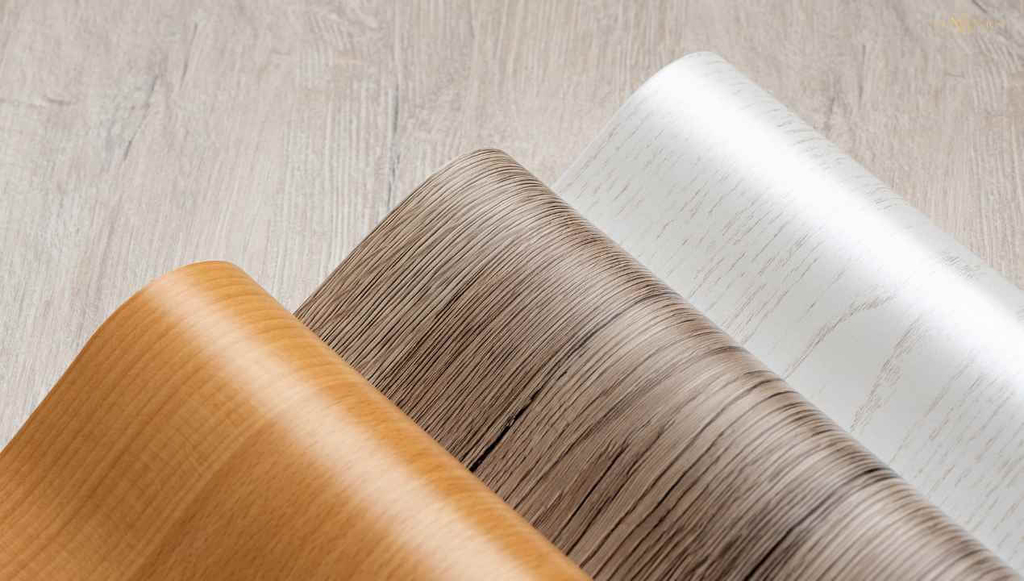
If you want a practical floor that can handle everyday family life without demanding too much attention, vinyl flooring totally deserves a place on your list. Modern vinyl has come a long way from the thin, basic designs many homeowners may remember. Today’s products can convincingly recreate the look of timber, stone and other finishes while offering a softer, more forgiving surface.
One of vinyl’s biggest strengths is its moisture resistance. Quality products are designed to cope with spills, humidity and everyday splashes, making them particularly useful in kitchens, laundries and other areas where water is part of the routine. Depending on the product and installation method, some vinyl systems can also provide highly waterproof performance.
What are the Drawbacks?
While vinyl is durable, it isn’t indestructible. Sharp objects, heavy furniture and significant impact can damage the surface, and a deep scratch or worn section generally cannot be sanded away and refinished like timber. The quality of the product matters considerably too. Different vinyl products can vary in thickness, construction, wear resistance and installation requirements, so comparing specifications is more useful than judging a sample by appearance alone.
Get a good idea of standard ceiling height in Australia for a perfect build.
Hybrid Flooring
Hybrid flooring has quickly become one of the most popular flooring choices in Australian homes, and there is a good reason for it. Designed to combine the practical qualities of laminate and vinyl, it offers the look of timber with a tough construction suited to busy households.
At the heart of many hybrid products is a rigid core, often made from a composite material, which gives each plank excellent stability. Above that sits a decorative layer that recreates the appearance of timber or stone, followed by a protective wear layer designed to handle everyday activity.
Why is Hybrid Flooring So Popular?
A quality hybrid floor can cope with busy hallways, children racing through the living room and pets making their own contribution to the household chaos. It offers strong resistance to everyday wear and tear, scratches and stains, while being relatively straightforward to maintain.
Its moisture resistance is another major advantage. Many hybrid flooring products are highly water resistant and can handle everyday spills more confidently than traditional timber. However, it is important not to confuse water resistance with sustainability for every wet area. Product specifications and installation requirements should always be checked before using hybrid flooring in bathrooms or laundries.
Hybrid also gives homeowners plenty of design freedom. From warm oak inspired finishes to contemporary grey and natural timber tones, there are styles to complement almost any house design. Wider plank formats can work particularly well in contemporary interiors, creating clean lines and helping connected spaces feel more expansive.
Check out how to choose a facade for your forever home to find one that reflects your personal style and not just trends.
Laminate Flooring
If you want the visual warmth of timber without the maintenance or price tag associated with some natural materials, laminate flooring can be a smart middle ground. Modern laminate is way different from the basic timber-look floors of the past, with improved construction, realistic textures and better protection against everyday household use.
Most laminates consist of a dense core, a decorative layer that replicates the appearance of real wood or stone, and a protective surface designed to resist everyday damage. This gives homeowners plenty of design flexibility without requiring the upkeep of a traditional timber floor.
What Should You Be Careful of with Laminate Flooring?
Traditional laminate has historically been more vulnerable to moisture than vinyl plank or hybrid products. While newer ranges offer improved water resistance, not every product is designed for moisture-prone rooms. You must always check the manufacturer’s specifications before using laminate in kitchens, laundries or other wet areas. Another similar consideration is repairability. Unlike genuine timber, most laminate cannot simply be sanded and refinished once its decorative surface has been significantly damaged. A severely damaged plank will generally need to be replaced so you have to handle with care.
Learn about home construction stages to avoid future delays and stay informed.
Carpet Flooring
Few flooring materials make a home feel as instantly cosy as carpet. For many Australian families, it remains a popular choice for the bedroom, children’s rooms and quieter living spaces where comfort matters as much as appearance. Carpet flooring creates a warmer, more relaxed feel than most hard flooring and provides a cushioned surface for young children to play on.
Another advantage is sound control. Carpet helps absorb everyday noise, from footsteps and toys to general household activity, making it particularly useful in family homes where a little acoustic relief can go a long way. Adding a quality underlay can further improve softness, insulation and the overall feel underfoot while also helping the carpet retain its appearance over time.
There’s plenty of choice when it comes to colour, texture and fibre. Wool is a premium option prized for its natural warmth, resilience and natural beauty, while synthetic fibres can offer excellent stain resistance and easier maintenance for busy households.
Can Your Home Handle Carpet Flooring?
Carpet in the bedrooms is perfect if your priority is warmth and comfort, particularly in cooler parts of Australia. It can also work beautifully in living rooms where you want to create a softer, more inviting atmosphere.
However, the tricky part is the maintenance. Carpets hold onto dust and are more vulnerable to spills and stains than many hard flooring materials, so regular vacuuming and prompt cleaning are important. For households with pets, young children or heavy foot traffic, choosing a durable fibre and practical colour can make a noticeable difference.
In our experience building homes, carpet works best when it is chosen for the spaces where its comfort and acoustic benefits genuinely add value. You don’t necessarily need to use the same flooring throughout the home so combining carpet with hard flooring in the right areas can create just the balance you need.
Should you renovate or rebuild your home?
Tile Flooring
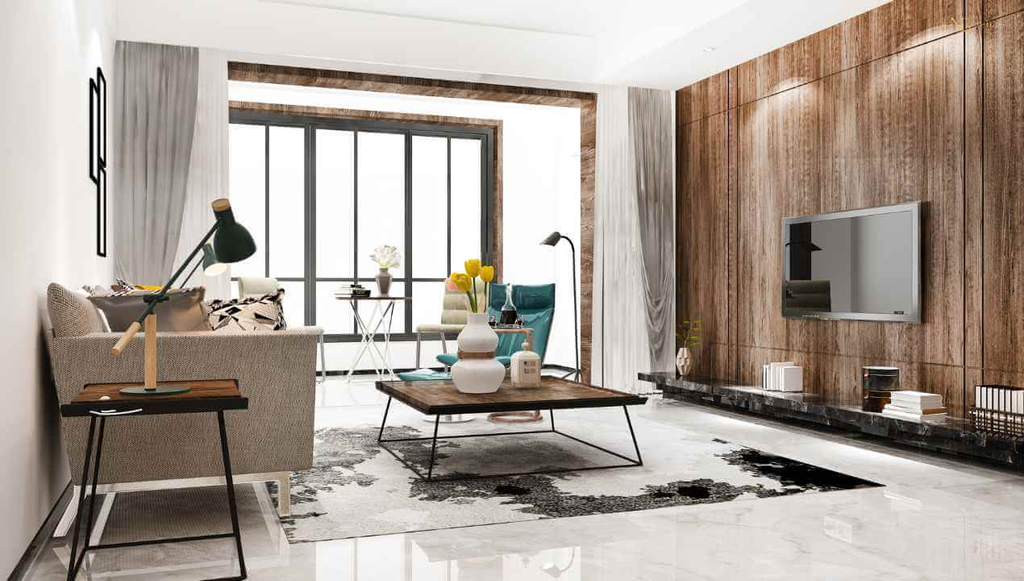
Where durability, easy maintenance and moisture resistance are essential, tile is one of the most practical flooring choices. Ceramic and porcelain tiles are particularly well suited to areas where everyday spills, humidity and mess are part of life, making them a natural fit for the kitchen, bathroom and laundry.
One of the biggest advantages of tile is its resistance to water. A properly installed tiled surface is easy to wipe clean, making it a particularly useful flooring material for busy households. Specifically, porcelain is highly durable and can handle heavy foot traffic without the same level of concern you might have with softer flooring materials.
Tile can also be an excellent choice for warmer Australian climates. Its naturally cool surface can help rooms feel more comfortable during hot weather, especially when paired with good ventilation and passive cooling. For homeowners in warmer regions, this can make tile an appealing hard flooring option for larger living spaces and open plan living areas.
There are, however, a few drawbacks you might need to consider. Tile is hard underfoot, so standing for long periods can become uncomfortable without a mat or soft rug nearby. Installation requires careful preparation and skilled workmanship. Most importantly, it can also feel quite cold during winter, particularly in cooler regions.
At Nice Builds, we generally recommend thinking beyond the tile itself. Grout colour, tile size, layout and the transition between different surfaces can all affect the finished result. A large format tile can create a cleaner, more continuous appearance, while the right colour can help connect the floor with your cabinetry and broader house design.
Confused whether to live in a townhouse vs apartment, check out our guide to compare the pros and cons.
Polished Concrete Flooring
For homeowners chasing a clean, contemporary look, polished concrete can make a strong statement. It works quite well in a modern house, where its smooth surface and understated character can complement minimalist cabinetry, natural materials and large open spaces.
Why Concrete Flooring?
One of polished concrete’s biggest advantages is durability. Once properly installed and finished, it can handle busy living rooms, hallways and other high-traffic areas with relatively little day-to-day maintenance. Its seamless appearance also means there are fewer joins and edges where dirt can collect, making it easy to clean.
Polished concrete can be very effective in open-plan living, visually connecting the kitchen, dining and living areas without introducing multiple flooring materials. It also has excellent thermal mass, which can help moderate indoor temperatures when the home has been designed to take advantage of passive heating and cooling.
The Drawbacks
Like any other home building inclusion, concrete flooring too has its own set of cons. The primary one is the lack of comfort. Concrete is a hard flooring surface, so it won’t provide the softer, warmer sensation of carpet or timber. It can also feel cool during winter, and dropped items are unlikely to survive a hard fall.
Installation is a whole different war. The finished result depends heavily on the quality of the concrete slab, preparation and polishing process, so this isn’t a flooring material where shortcuts tend to pay off. Cracks can also occur as concrete naturally moves over time and repairing them may affect the appearance of the polished surface.
Did you know that house eaves protect walls from water damage and also reduce cooling costs?
Quick Flooring Option Comparison
| Flooring Options | Best Suited For | Major Drawbacks |
| Hybrid Flooring | Kitchens, living areas, hallways, busy family homes | Can feel harder than timber or carpet |
| Vinyl Flooring | Kitchens, laundries, family homes | Can be damaged by heavy impacts or sharp objects |
| Hardwood Flooring | Living areas, dining rooms, feature spaces | Higher costs and needs protection from moisture |
| Engineered Timber | Bedrooms, living rooms, contemporary homes | More expensive than laminate or vinyl |
| Laminate Flooring | Bedrooms, hallways, dry living areas | Standard products are less suited to moisture |
| Carpet Flooring | Bedrooms, children’s rooms, cozy living spaces | Can hold stains and requires regular maintenance |
| Tile Flooring | Kitchens, bathrooms, laundries, and warm climates | Hard and cold underfoot |
| Bamboo Flooring | Bedrooms and living areas | Quality and moisture resistance vary by product |
| Concrete Flooring | Modern homes and open plan living spaces | Very hard underfoot and installation can be complex |
| Natural Stone Flooring | Premium interiors, living areas, feature spaces | Expensive and may require ongoing sealing |
Choose the right home builder for your project’s overall success.

What Flooring Option Best Suits Queensland Homes?
Before we begin to narrow down the best flooring options for Queensland Homes, we need to understand the climatic conditions in Queensland. With warm temperatures for much of the year, Queensland homes need to perfectly balance heat, humidity, moisture and everyday family life. Many homeowners building in the area prefer surfaces that feel cooler underfoot, are easy to maintain and can cope with the occasional mess without becoming a maintenance hazard.
If you plan on building in Brisbane or anywhere around Queensland, you can consider the following flooring options:
- Tile Flooring for a naturally cool, highly durable and well-suited finish. Perfect for kitchens, bathrooms, laundries and larger living areas.
- Hybrid Flooring and Quality Vinyl Plank Flooring for the look of timber without the moisture concerns associated with some natural materials. A quality hybrid product with a rigid core can provide good dimensional stability in Queensland’s changing conditions, while vinyl offers a softer, practical surface comfortable for everyday family use.
- Carpet for bedrooms can be an excellent choice if comfort is a priority, although some homeowners prefer hard flooring for easier cleaning and better airflow.
- Engineered timber flooring for warmth and natural character, provided the product is appropriate for the local climate and installed correctly.
Ultimately, a single universal answer does not exist. The right flooring depends on the room, your home’s design, and how much natural ventilation and cooling it receives and how your household actually uses the space.
Get Professional Advice Before You Choose
Choosing between different flooring options can be difficult when every material has its own pros and cons. The best choice ultimately depends on your floor plans, lifestyle, budget and the specific areas of your home. At Nice Builds, your Brisbane-based home builder, we understand that flooring is more than a finishing detail. Therefore, we consider how your flooring works with the overall house design, room layout, lighting and temperature before any suggestion is offered.
Looking to build your dream home? Contact us for a quick assessment and consultation today!
FAQs
What are the Most Affordable Flooring Options?
If you’re working with a tighter renovation or building budget, vinyl, laminate and entry-level hybrid flooring can be worth considering. These materials recreate the look of timber while generally costing less than premium hardwood or engineered timber.
Is Hybrid or Laminate Flooring Better for a Family Home?
For many families, hybrid flooring is the more versatile choice, particularly where mess, pets and heavy foot traffic are part of everyday life. Many quality hybrid flooring products offer strong water resistance and a durable wear layer, making them well suited for busy areas. However, laminate flooring can also be a good choice for dry areas, especially if you want something scratch-resistant.
Is Real Timber Flooring Worth It?
Yes, if warmth, character and longevity are important to you. Real timber has a natural beauty that is difficult to replicate, and quality hardwood or engineered timber can last for decades when properly cared for. However, timber generally requires more care around moisture and scratches, so it may not be the most practical choice for every room.
Can the Same Flooring be Used Throughout the Home?
Yes, that’s possible. Using the same or visually complementary flooring throughout connected spaces of your home can make it feel larger and more cohesive. However, since different areas have different demands, the smartest approach is to consider the areas of the home individually while keeping the overall design connected.