First impressions count, and the facade of your new home is often the first thing you and everyone else will notice. More than a finishing touch, it sets the tone for your home design, shapes its street appeal and gives people a glimpse of what lies beyond the front door.
Therefore, with so many house facades, materials, colours and architectural styles to consider, knowing how to choose the right facade can feel like a bigger decision than expected. Should you lean towards a timeless Hamptons look, embrace a clean-lined modern house facade, or create something that feels entirely your own? There’s too much confusion.
As experienced home builders, we know the best facade is not simply the one that looks impressive in a display home but works with your block, complements your lifestyle and connects naturally with the rest of your home. Because when you’re building your dream home, the goal is more than creating a beautiful facade but an exterior that feels right today and can stand the test of time.
What is a Facade in a House?
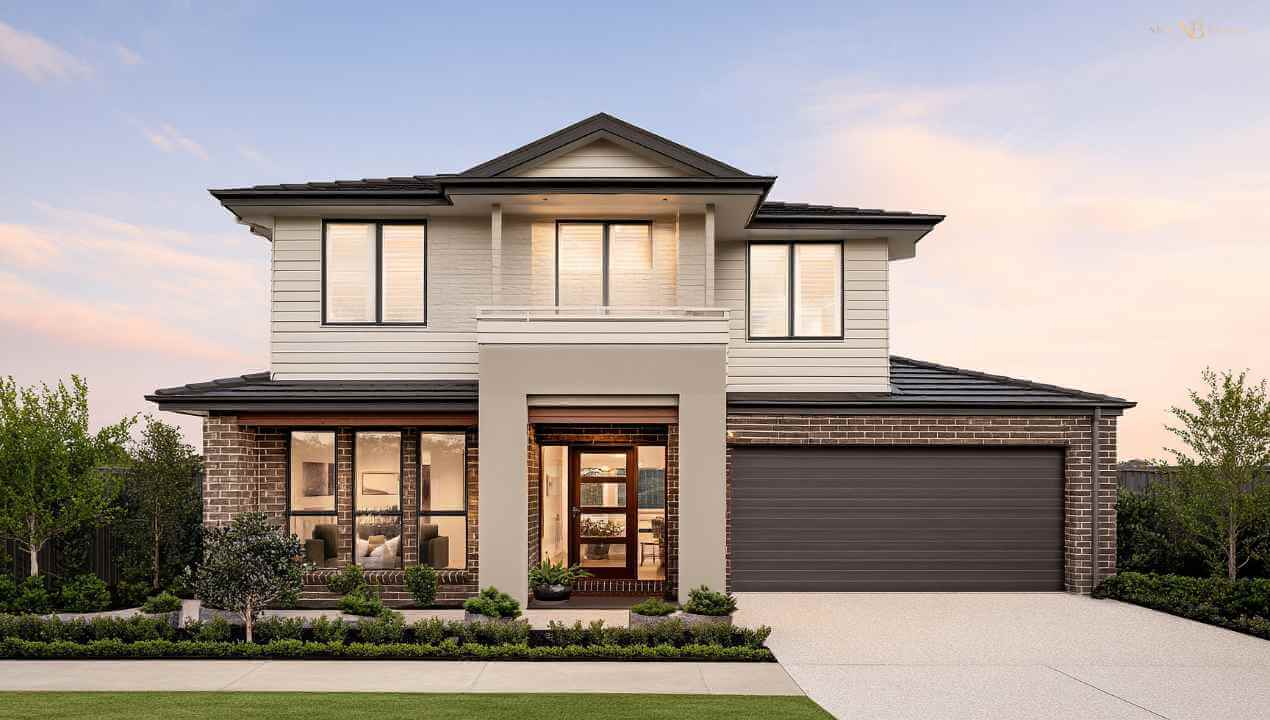
So, what is a facade on a house? Simply, the facade is the exterior face of a home, most commonly the front-facing elevation that faces the street. It brings together the architectural elements that give a property its identity, including the roofline, windows, entry, garage, cladding, materials, proportions and key design features.
But a facade is about more than appearances. From a builder’s perspective, it needs to work as part of the entire house design. The position of the home on the block, the amount of natural light, the surrounding neighbourhood and even the landscape can all influence how a facade looks and performs.
This is why house facades should never be treated as an afterthought. A well-planned house facade creates a natural connection between the exterior of your home and the spaces inside. For example, generous windows may enhance the front elevation while bringing more natural light into living areas, while carefully selected cladding and timber accents can add warmth and texture without overwhelming the design.
Think of your facade as the visual introduction to your home. It sets the tone for the architectural style, gives your property its character and helps create the overall street appeal. Whether your preference is contemporary, classic, coastal or something more individual, the facade should feel like a natural expression of your personal style. And while the front elevation gets most of the attention, there is no single formula for creating the right look. The best facade for your home is one that balances aesthetics with practicality, suits the way you live and works with the conditions of your site.
In other words, when you build a facade, you are not simply choosing how your house looks from the street. You are making one of the key design choices that will influence how the entire home comes together.
Build the harmony between your home and yourself by using feng shui in your home design.
How to Choose the Right Facade for Your Forever Home?
When choosing a house facade, it is easy to fall for a particular look before considering whether it will actually work for your home. We see this regularly during the building process. A client loves a facade they have saved online, but once we consider their block, floor plan, budget and lifestyle, it may not be the most practical option. So, how to choose the right facade for your forever home? Well first begin by looking at the bigger picture.
Start With Your Personal Style
Your home facade should feel like an extension of your personality, rather than a copy of whatever is currently trending. Look through house facade ideas, display homes and completed projects to identify the styles, shapes and materials you naturally gravitate towards. Taking inspiration is good, copying can become silly.
You might be drawn to the relaxed character of Hamptons-style homes, the simplicity of a modern facade, or a more traditional design with strong architectural detailing. There is no need to settle on one style immediately. Instead, identify the common design preferences that keep appearing in your inspiration images. This makes it much easier to choose the right facade when you begin working with your builder and design team.
Incorporate gable roofs in your home for popular and cost-effective roofing.
Consider Your Block and Floor Plan
A facade does not exist in isolation. Its proportions need to work with the size, orientation and shape of your block, as well as the floor plan behind it. For example, a wide block may allow for a stronger horizontal design, while a narrower frontage may benefit from vertical elements that create the impression of height.
This is where experienced home builders can add real value. During the building journey, we look at how the chosen facade interacts with the house design as a whole, not simply how it looks in a brochure.
Think Beyond Colour
Colour can transform a facade, but it should not be the starting point. Before choosing a colour, consider the architectural form, proportions and materials used across the exterior. A carefully selected colour scheme can highlight key features, while a restrained colour palette can help different materials feel connected. If you are unsure, neutral tones are often a flexible foundation that can be personalised through landscaping, lighting and smaller details.
The important thing is to make sure the facade still works if your tastes change. Because paint can be refreshed but major architectural decisions are considerably harder to modify.
Look at Materials and Maintenance
The materials used can have just as much influence on the appearance of your facade as its shape. Cladding, brick, rendered finishes, stone and timber can all create very different textures and levels of visual warmth.
However, every material comes with its own maintenance requirements. If low upkeep is important to you, consider how finishes will handle sun, rain, humidity and general exposure over time. A beautiful facade is only the right facade if you are happy to look after it and if it doesn’t become a task to maintain later.
Considering ceilings for your property? Raked ceilings add luxury and scale into your home, transforming them with light filled spaces.
Think About the Home Beyond the Front Door
Finally, consider how the facade connects with the rest of your property. Your exterior should transition naturally into the backyard, outdoor entertaining areas and landscape, creating a home that feels cohesive from the street through to the living spaces.
When the architecture, lighting and landscaping are considered together, relatively simple design choices can add depth and create a polished result. The aim is not to find the most elaborate facade but to choose the right combination of form, materials and details for the way you want to live.
Confused whether to live in an apartment or townhouse, find out which property is right for your lifestyle and needs.
Things to Avoid When Choosing a Facade
A great facade design is not just about knowing what to include but about knowing what to avoid. After years of helping clients through the home-building journey, we have seen how a few seemingly small decisions can affect the appearance, functionality and long-term appeal of a home.
Choosing Trends Over Timeless Design
Design trends can be useful for inspiration, but they should not dictate your entire facade. What looks fresh on social media today may feel dated several years from now. This does not mean you have to avoid current design trends altogether. Instead, use them selectively alongside architectural elements and finishes that reflect your personal taste. A timeless foundation gives you more freedom to update smaller details later.
Ignoring the Queensland Climate
In Queensland, your facade has to do more than look good. It needs to respond to heat, humidity, intense sunlight and periods of heavy rainfall. Roof pitch, eaves and its depth, window placement and the materials used can all influence how your home performs. For example, thoughtfully positioned openings can help with light and ventilation, while appropriate shading can help manage solar heat. These practical considerations should be part of the design process from the beginning, not something addressed once the facade has already been chosen.
Choosing Without Seeing the Design in Person
A facade can look completely different in a photograph compared with real life. Scale, proportions, texture and the way sunlight hits different finishes are difficult to judge from a screen. Whenever possible, visit completed homes or display homes with similar architectural elements. Seeing different façades in person can help you understand how materials and proportions actually work together.
If an in-person visit isn’t possible, a detailed 3D visualisation can still help you understand the relationship between the front entry, windows, garage, and other major features.
Looking to build in Brisbane? Check out the best suburbs in Brisbane for Homeowners.
Treating the Facade as a Separate Decision
One of the biggest mistakes in home design is designing the interior first and trying to match the exterior afterwards. Your facade, floor plan and interiors should be considered together so the exterior and interior feels connected.
For example, a coastal-inspired Hamptons home with warm timber detailing may call for a different interior direction from a sharp, minimalist contemporary design. The important thing is that the chosen home design makes sense as one complete property.
Focusing on Appearance Without Considering Maintenance
Some facade finishes require more ongoing care than others. Timber, for instance, can introduce beautiful warmth and texture but may require more maintenance than certain low-maintenance alternatives. Think honestly about how much time and money you want to dedicate to upkeep. A finish that looks fantastic on day one but becomes difficult to maintain may not be the right choice for your lifestyle.
Forgetting the Bigger Picture
Finally, remember that your facade is only one part of your home’s exterior. Driveways, fencing, landscaping, lighting and even the surrounding streetscape all contribute to the final result. Make sure your facade compliments all else happening both inside and outside your home.
Build townhouses to maximise land value and generate rental income in high demand areas.
Should You Choose the Facade or Floor Plan First?
It is tempting to start with your interior wishlist and leave the facade for later. After all, the kitchen, bedrooms and living spaces are where you will spend most of your time. But when you are designing a home, the exterior and interior should be developed together.
So, should you choose the facade or floor plan first? In most cases, neither should be treated as completely separate. The strongest results come from considering both as part of the same home design.
Your floor plan influences the position of windows, doors, garages and living spaces, all of which have an impact on the exterior. At the same time, the facade style can influence how the floor plan presents from the street and how the overall proportions of the home come together.
For example, a facade with large windows and a prominent entry may require those elements to be considered early in the floor plan. Similarly, a two-storey design may create opportunities for stronger vertical proportions, while a single-storey home may benefit from horizontal lines and carefully balanced roof forms.
This is why your design team should look at the home as a complete composition rather than making isolated design decisions. The goal is to create a cohesive relationship between the facade, floor plan, interiors and outdoor spaces.
Build the Look From the Inside Out, and the Outside In
The best approach is to think of the facade and floor plan as two sides of the same design conversation. Consider how the exterior of your home will look from the street, then consider how that same architectural language can continue inside.
The result should be a home where the facade of your new home feels connected to the rooms behind it, rather than looking like a separate design altogether. Whether you are building your dream home from scratch or adapting an existing plan, this joined approach gives you more opportunities to refine the proportions, materials and design features before construction begins.
Popular House Facade Styles to Consider
There is no shortage of house facades to choose from, which is not just fun but also a challenge. The right look depends on your block, type of house, floor plan, lifestyle and personal taste, so it helps to understand what distinguishes the most common styles before making your decision.
Hamptons Inspired Facades
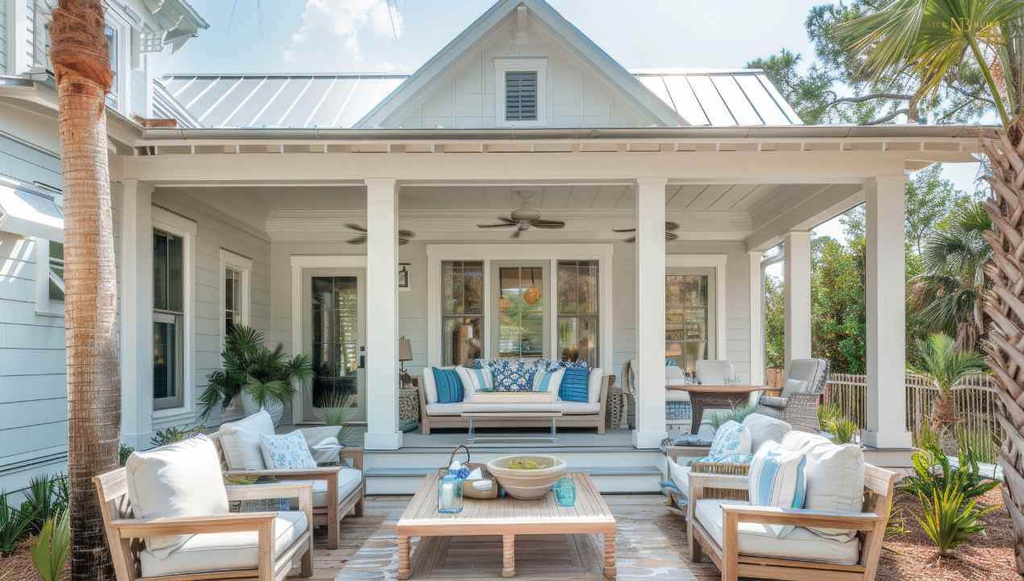
From its weatherboard style cladding, contrasting trims, pitched roofs, to generous windows and welcoming entry details, hamptons style homes continue to appeal to homeowners who want a relaxed yet refined exterior. A Hamptons home can feel timeless when the proportions and materials are carefully balanced, rather than relying on decorative details alone. Natural textures and restrained colours can also help the design sit comfortably within a suburban streetscape.
Modern Contemporary Facades
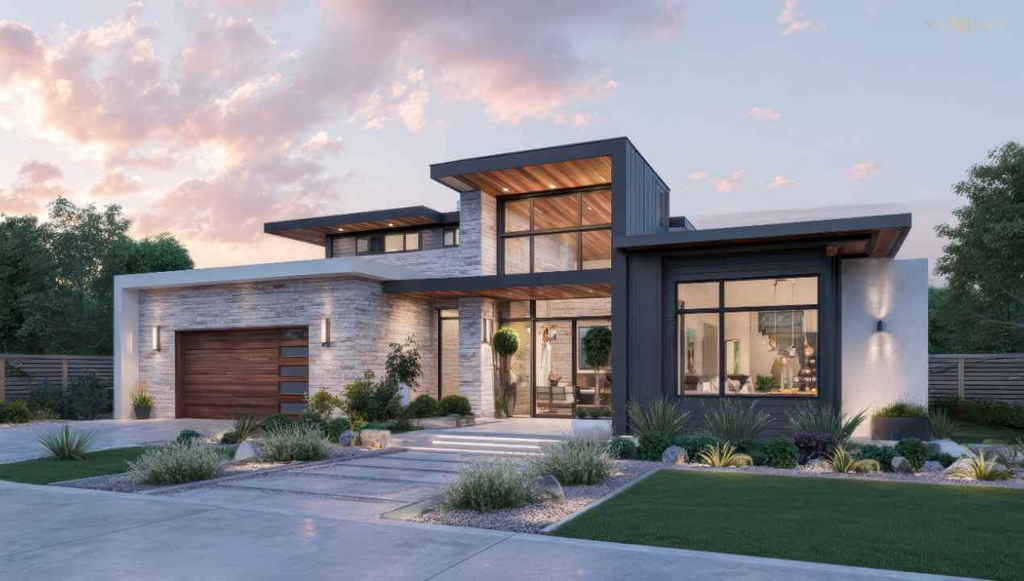
For homeowners who prefer clean lines and a more streamlined aesthetic, a modern facade may be the natural choice. Strong geometric forms, large windows, contrasting materials and simple detailing can give the home a crisp, contemporary appearance.The beauty of this approach is its flexibility. A modern design can be softened with timber, landscaping or warmer finishes, creating a home that feels contemporary without becoming overly stark.
Classic and Timeless Facades
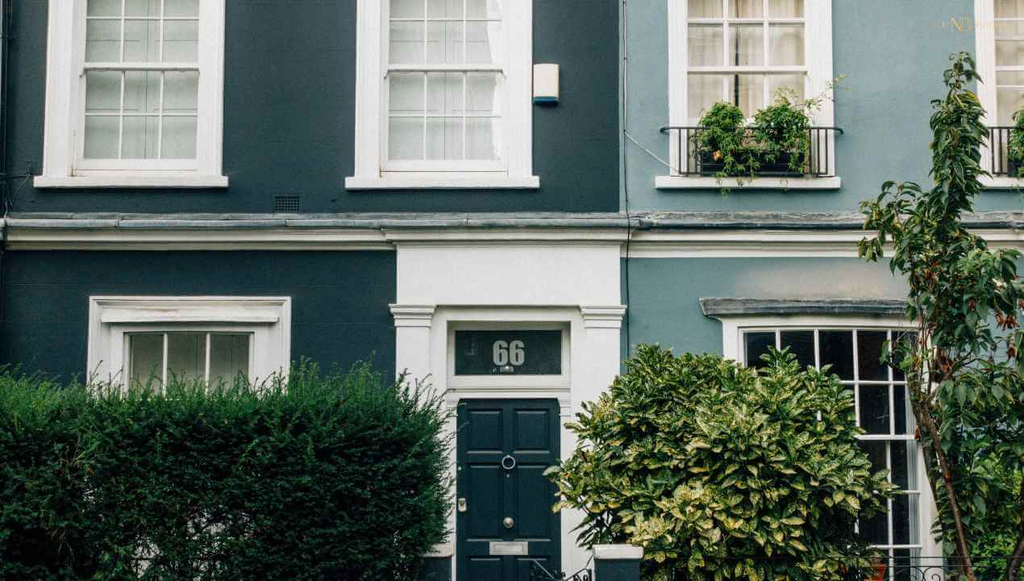
We understand that not every homeowner wants to chase the latest look, a more traditional facade style can provide lasting character through balanced proportions, familiar materials and understated detailing. These designs can also offer flexibility when it comes to future updates. Rather than depending on one particular trend, the emphasis is placed on architectural form and materials that are less likely to date quickly.
Did you know house orientation impacts your comfort, bills and also your property resale value?
Coastal and Relaxed Designs
Coastal-inspired facades often use light colours, natural textures and generous openings to create an easy-going feel. They can work particularly well where the surrounding environment calls for a lighter, more relaxed architectural expression. However, coastal does not have to mean overly themed, this is where homeowners often stumble. A few carefully selected details can create the atmosphere without turning your home into a holiday resort.
Finding the Right Facade for Your Home
Choosing a facade is one of those decisions that can seem purely visual until you start considering everything it needs to do. Your home’s exterior needs to suit the block, respond to the climate, work with the floor plan, fit your budget and most importantly, feel like home.
The best facade for your home is not necessarily the most elaborate or the one currently dominating design publications. It is the design that brings together your lifestyle, personal style, practical requirements and long-term plans.
Therefore, you ought to take the time to explore different house facade ideas, look at completed homes, compare materials and talk through your options with an experienced builder. A considered approach early in the design process can save you from expensive changes later. Looking to build your dream home in Queensland? Get in touch with us, home builder based in Brisbane, Nice Builds for the best prices and excellent designs.
FAQs
What materials are best for a house facade in Queensland?
There is no single material that is best for every Queensland home. Brick, render, cladding, timber and other finishes can all create different looks and come with their own levels of maintenance. The right choice depends on your design, budget, location and how much upkeep you are comfortable with. Your builder should also consider how the materials used will respond to Queensland’s sun, humidity and heavy rainfall before they are specified.
Can I change the facade of a standard house design?
In many cases, there may be opportunities to customise elements of a standard house design, although the extent of changes will depend on the builder, floor plan, site and relevant planning or estate requirements. Discussing these options early in your home building journey gives your design team more scope to create a result that reflects your personal taste.
Does the facade affect the cost of building a home?
Definitely. The complexity of the design, materials, windows, roof forms and architectural details can all influence construction costs. Your builder can help you understand the cost implications of different design choices before you commit to them. Find out the cost to build a house in Brisbane.
Can my facade improve my home’s resale value?
A well-designed facade can contribute to the overall appeal of a property, but resale value depends on many factors, including location, land, floor plan, condition and the broader property market.