Building a home is exciting until you realise just how many decisions sit between the first idea and the moment you turn the key. From choosing a floor plan and finishes to managing budgets, timelines and building work, there is plenty to think about. And there’s one decision that impacts it all: choosing a home builder, more importantly, choosing the right home builder.
Your builder will influence more than how your home looks. They shape the quality of the build, how smoothly the project runs, how unexpected issues are handled and how confident you feel throughout the process. A reputable builder should bring more than construction skills to the table. With clear communication, sound organisation, realistic advice and a transparent approach to costs and timelines, builders are expected to be diligent and all present.
If you’re building your dream home in Brisbane, it can be tempting to simply search for builders online, compare a few impressive display homes and go with the most attractive quote. But a polished showroom doesn’t always tell you what happens behind the scenes.
The real test is how a builder manages the details that homeowners don’t see, from coordinating subcontractors and tradespeople to navigating approvals, building regulations and the inevitable obstacles that can arise during construction.
As experienced professionals working alongside homeowners throughout the home building process, we know how finding the right builder requires more than comparing prices. Because when it comes to building your home, the goal isn’t simply to choose a home builder but to choose a partner you can trust from the first conversation to the final handover.
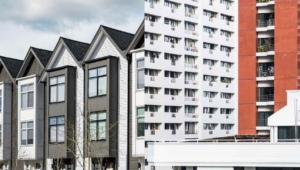
Nice Build’s is bringing to you stunning townhouses in optimal locations. Compare the pros and cons of townhouses vs apartments to find out why townhouses are so popular and why you should consider one too.
Why is Choosing the Right Builder Important?
Choosing the right builder is about far more than finding someone who can put up walls and install a roof. You’re trusting them with your home, your budget and, in many cases, one of the largest financial commitments you’ll ever make because where else could an average Australian spend so much?
A good builder should turn your plans into a well-managed project while keeping you informed along the way. They should understand your expectations, explain what is and isn’t included, and raise potential issues before they become expensive surprises. They should have the experience to coordinate architects, building surveyors, tradespeople and subcontractors without leaving you to disorder and panic.
The quality of work matters, and so do the less visible parts of a build, including reliability, organisation, communication and attention to detail. A builder who is upfront about costs and realistic about timelines gives you a much clearer picture of what to expect. While no building project is immune to unexpected issues, what separates a reputable builder from an unreliable one is often how those situations are communicated and resolved.
Whether you’re building from scratch or planning a major renovation, taking the time to select the right professional at the beginning can save considerable stress later. Because choosing the right home isn’t only about how it looks on completion but about having confidence in the person responsible for getting you there.
Just built your dream home? Create harmony between you and your space and learn how to balance calm with functionality using fengshui.
Do Your Research Before You Choose a Home Builder
It is only once you know what you want from your build that you are able to search for builders who can deliver it. A quick browse can give you plenty of names, but don’t stop at the first few results. Your goal is to create a shortlist of potential builders with the experience, credentials and track record that match your project.
Start by looking at each builder’s website, portfolio and previous projects. Pay attention to whether they regularly build homes similar in size, style and complexity to yours. If you’re planning a contemporary home, for example, a builder whose past work consists primarily of traditional project home designs may not be the best fit for your requirements.
Reviews can also provide useful insight into a builder’s reliability and quality of work. You ought to read them critically. Look for consistent feedback on communication, workmanship, variations, project management, and after-sales service rather than focusing solely on the ratings.
It is also worth checking whether the builder holds the appropriate licence and builder’s registration for the work they undertake. Don’t underestimate word of mouth, either. Ask friends, family, colleagues or people in your local area who have recently built or renovated their homes. A genuine referral can give you valuable insight into what it’s actually like to work with a builder.
Finally, make sure you can easily verify the builder’s contact details and business history. A professional, established operation should be willing to answer reasonable questions about its experience, registration, insurance and past and current work. Some good research at this stage can quickly separate a builder who simply looks good online from one who has a track record worth investigating further.
Browse for tips to create the perfect outdoor space for your Australian home.
Ask the Right Questions
Once you’ve narrowed down the list, don’t be afraid to ask questions or shy away from embarrassment. A good builder, let me tell you, actually expects all sorts of questions and queries. You’re making a significant investment, so you deserve clear answers before you commit.
Start with the basics: How long have they been operating? What types of homes do they specialise in? Who will manage your project day-to-day? And can they provide references from recent clients? Their answers can tell you a lot about their experience and work ethic, and this will be extremely valuable in the long run.
Cost Details
Ask for a detailed quote rather than relying on a single headline figure. If you’re buying in Brisbane try to find out what the costs of building in Brisbane generally is so you have a standard to compare against. Confirm what is included, what is excluded and which items could become additional costs later. A reputable builder should be upfront about allowances, provisional sums, variations and other expenses that could affect your final price. Your quote and building contract should also explain when payments are due and what stage of the work each payment relates to.
Ask About the Team
A builder is not working alone, their team is equally responsible for your build as the builder themself. Ask who will be responsible for coordinating the subcontractors, tradespeople and other professionals working on your home. You may also want to know whether the builder regularly works with the same people. Consistency matters because an organised team can make a noticeable difference to the flow of a project and the standard of the finished work.
Discuss the Timeline
Finally, ask for a realistic timeline and discuss what could cause delays and whether they can be avoided. However, be cautious of promises that sound too good to be true. A builder who explains potential delays honestly is often giving you more useful information than one who simply promises an unrealistically quick completion. A good builder doesn’t always tell you exactly what you want to hear but provides just the direction you need.
Find out how single storey vs double storey homes affect your lifestyle, budget and family comfort.

Know What You Want Before You Choose a Home Builder
Before you start comparing different builders, spend some time working out what you actually want from your home. What are your priorities? Is your biggest concern budget, craftsmanship, design flexibility, construction time or the location of your property? Perhaps you want a highly customised home designed around the way your family lives, or you have a particular architectural style in mind. Whatever it is, draw the focal points.
Consider Your Budget and Priorities
Price is naturally important, but the cheapest quote isn’t necessarily the cheapest project. A lower initial figure may exclude finishes, site costs or other elements you assumed were included, and this can cost you thousands. Compare quotes based on what you’re actually receiving, not just the number at the bottom of the page. Think about where you’re willing to compromise and where you aren’t. If quality is non-negotiable, choose a home builder with a demonstrated history of quality work. If flexibility is more important, focus on builders who are comfortable with custom designs and changes. In the end, it is your home, and all decisions are up to what you want, not the builder, not the architect, or the contractor.
Think About Your Location
Your block can influence almost every part of a build. A builder familiar with your area should understand the relevant local building codes and regulations, site conditions and approval requirements. This local knowledge can be particularly valuable when your project involves an unusual block, difficult access or a more complex design.
The same principle applies if you’re planning an extension or renovation. A builder experienced in new construction may not necessarily have the same expertise in working with existing structures. The clearer you are about your needs, the easier it becomes to compare builders on the things that genuinely matter to you and ultimately find the right fit for your project.
Check out our guide to building townhouses to opt for an option that maximises land value and generates rental income in high demand areas.
Ask for Recommendations
Sometimes the most useful research doesn’t come from a search engine, but from someone who has already been through the process. Word of mouth can be particularly valuable when you’re finding the right builder, because past clients can tell you what working with a builder is really like once the paperwork is signed, and construction begins.
Ask family, friends, neighbours and colleagues whether they have recently built a home, completed an extension or worked through a major renovation. If they had a positive experience, ask what specifically made the builder stand out. Was communication consistent? Were the costs explained clearly? Did the project stay reasonably close to its expected timeline? Most importantly, would they hire that builder again? However, don’t limit your questions to what went well, remember to enquire about the problems as well.
When someone gives you a referral, ask whether you can view the finished property or speak directly with the owner. First-hand conversations can reveal details that polished portfolios and testimonials often don’t. The goal is to find a trustworthy professional whose experience aligns with your project, not simply to hire the builder that someone you know happened to use. Combine personal recommendations with your own checks, and you’ll have a much clearer picture before making your decision.
Considering roof options? Gable roofs are a popular and cost-effective choice for Australian homes.

Check Credentials and References
A polished portfolio is great, but it shouldn’t be the end of your research. Before you appoint a builder, take the time to verify their credentials, experience and references. These checks can give you a much better indication of whether a company is established, reputable and equipped to manage your project. Start by confirming the builder’s licence and builder’s registration with the relevant state authority. Requirements vary across Australia, so make sure you’re checking the rules that apply to your location.
Insurance is another consideration. Ask the builder what cover they hold, including public liability insurance and home building-related protections that may apply to your project. Depending on the state and type of work, insurance and home building compensation requirements can differ, so confirm the details before construction starts.
Visit Display Homes
Photos can make almost any home look impressive; they can be edited, taken from angles that make them look appealing when, in reality, things might be very different. Visiting display homes gives you the opportunity to experience a builder’s work in person and assess details that can be difficult to judge online.
Pay attention to the doors, windows, cabinetry and other such fittings to understand how they have been installed. Confirm that surfaces, joins and finishes look consistent and well executed. Floor plan practicality as well as the quality of materials used throughout the property is also essential.
Good craftsmanship is often visible in the small details. Look at corners, edges, flooring options, cabinetry, tiling and areas where different materials meet. These details can give you a useful indication of the quality of work you might expect from the same builder elsewhere.
It can also be worth visiting more than one property by the same builder. A single display home represents a particular design and specification, where one might have eaves on the roof, raked ceilings or architraves across doors and windows, another might be a much simpler design, so seeing several examples can help you judge variety.
Ultimately, do not let a beautiful display home decide for you. It should be one piece of evidence in your research. What matters is whether the builder can consistently deliver the standard, functionality and finish you want for your own home.
Review the Building Contract Carefully
You’ve researched your options, inspected previous work and found a builder you’re comfortable with, its all great until it isn’t. Before you sign anything, there’s one more step that deserves your full attention: the building contract.
A contract isn’t just paperwork to get through before construction starts. It sets out what you and the builder have agreed to, including the scope of work, costs, responsibilities and what happens if something changes along the way.
Know Exactly What’s Included
Read the inclusions and exclusions carefully. Your contract should clearly describe the work being completed, materials and finishes being supplied and any items that aren’t part of the agreed price. If something has been discussed during meetings but isn’t written into the contract, don’t assume it will automatically be included. Ask for clarification and have agreed changes documented before signing.
Understand Payments and Variations
Pay close attention to the payment schedules and make sure you understand when each payment becomes due. You should also understand how variations are handled since changes can happen during build. You may decide to upgrade a finish, or an unexpected issue may arise once work begins, so a transparent variation process should explain what has changed, why it has changed and how much it will cost before additional building work proceeds.
Check out our guide to decide whether to settle in the suburb or the city.
Check the Timeline
Your contract should also set out the expected construction period and any provisions relating to delays. Ask your builder what circumstances could affect the timeline, such as weather, material availability, approval delays or changes requested by you. A realistic agreement is much more useful than an overly optimistic promise that looks good on paper but becomes difficult to maintain once construction starts.
Don’t Rush the Paperwork
Take the contract and read it carefully. If there are clauses you don’t understand, ask the builder to explain them and consider getting independent legal advice before you sign. A professional builder should be comfortable with reasonable questions about the agreement. In fact, clear expectations at the beginning can prevent many misunderstandings later.
Add character and cleanliness into your home with bulkheads in your kitchen and living room.
Nice Builds As Your Home Builder
Every project comes with its own considerations, whether that’s the block itself, the design, the finishes or the practicalities of construction. Nice Builds helps you navigate those decisions with straightforward advice and a building process you can feel confident about.
As a Brisbane-based home builder, we work closely with homeowners to turn their plans and ideas into thoughtfully built homes. From the initial planning and design stages through to construction and handover, we focus on clear communication, quality workmanship and keeping you informed along the way. Book a free consultation to discuss your home building needs today.
FAQs
Should I choose my land or my builder first?
Ideally, it’s worth speaking with a builder before purchasing your block of land, particularly if you already have a specific home vision in mind. The land you choose can have a significant impact on what you can build and how much construction may cost, so having a builder commit early can help you understand these considerations well before commitment.
That said, plenty of homeowners also opt for knockdown rebuilds or house and land packages that make this argument much more straightforward. With knockdown rebuilds, the land is already there, and the builder can simply go around it to give you what you desire. Likewise, with house and land packages, it’s on the builder themselves to find you the perfect block and build the perfect property.
How do I find a reputable builder in Brisbane?
Begin by shortlisting potential builders based on experience and credentials. Try to look beyond a simple search and take time to review their past and current work along with client feedback. It’s also worth asking for a referral from someone who has recently built.
How many builders should I get quotes from?
There is no magic number, but speaking with several builders does give you a better understanding of what your project involves and how different builders approach it. More than the quote itself, also look at the inclusions and exclusions to avoid later surprises.
How many builders should I get quotes from?
There is no magic number, but speaking with several builders does give you a better understanding of what your project involves and how different builders approach it. More than the quote itself, also look at the inclusions and exclusions to avoid later surprises.
How can I tell if a builder does quality work?
Visiting display homes is the best way to look at a builder’s work. Speak with previous clients for more insights.