A home should do more than just look good, and this very idea sits at the heart of feng shui, an ancient Chinese practice focused on creating harmony between people and the spaces they inhabit. The term can be directly translated as wind and water, reflecting the practice’s traditional focus on how natural forces, surroundings and the arrangement of a space interact.
While feng shui has its roots in ancient Chinese thought, you don’t need to be a feng shui master to appreciate what it can bring to a home. From the position of a bed to the way natural light enters a room, seemingly small design decisions can influence how comfortable, calm and functional a space feels.
Good design and good feng shui often have more in common than you might expect. Both consider movement within the home, natural light, ventilation, proportions, furniture placement and the relationship between different spaces. As experienced home builders, we see this connection firsthand. Thoughtful planning can make an entryway feel welcoming, a bedroom more restful and an open plan living area easier to navigate. In that sense, feng shui can be a useful lens for thinking about house design from the very beginning.
Discover how flooring options enhance the entirety of your home design.
Feng Shui At Its Core
So, what is feng shui really about? At its simplest, feng shui is the practice of arranging buildings, rooms and objects in a way that encourages harmony between people and their surroundings. Its foundations can be traced through Chinese history, Taoism and broader traditions of Chinese thought, where the natural environment was considered closely connected to human wellbeing.
The term feng shui literally refers to wind and water, two natural forces that have long been important in Chinese philosophy. Traditional feng shui developed as a way of understanding how a local environment could influence the way people lived, worked and interacted with their surroundings.
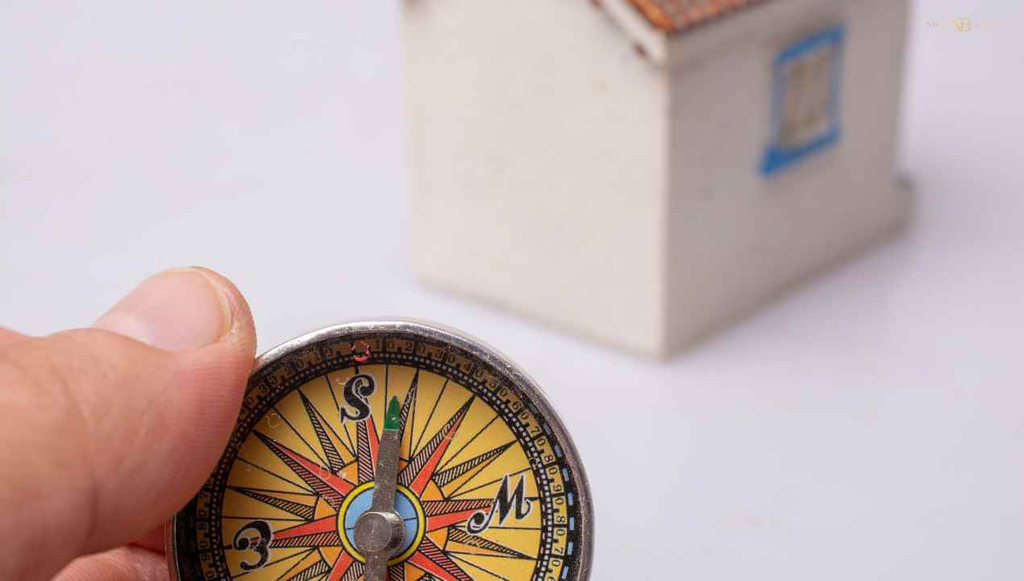
As time passed, different feng shui methods and schools emerged. Classical feng shui, for instance, can involve detailed observations of a site, its landscape and cardinal directions, sometimes using a magnetic compass to assess how a building relates to its surroundings. Other approaches place greater emphasis on the layout and experience of an interior, while modern feng shui suggests that rather than treating a home as a collection of isolated rooms, when building one should consider how spaces connect and how their arrangement supports everyday life. This basically holds the thought process behind feng shui today.
Get architraves for your home to protect your door and window edges and create the visual flow you need for a cohesive home design.
The Five Elements of Feng Shui
One of the basic principles of feng shui is balance. Traditional feng shui uses five natural elements to understand the balance: wood, fire, earth, metal and water. Together, these are known as the five elements of feng shui, with each representing different qualities and forms of energy within a space.
Remember the elements are not to be treated as a decorating checklist, it is more useful to think about how each one contributes to the overall character of a room.
Wood
Wood represents growth, renewal and vitality. In a home, it can be introduced through timber furniture, indoor plants, natural textures and vertical forms. For a new build, this could mean choosing natural timber finishes or creating stronger connections between indoor and outdoor areas. For example, a well-positioned garden can bring a sense of nature into the home without relying solely on decorative pieces.
Fire
Fire brings warmth, passion, creativity and movement. It is often associated with energetic colours such as red, orange and warm pink, as well as lighting, candles and other visually stimulating features. You don’t necessarily need to paint an entire room bright red to invite such zest into your life. A statement pendant, warm lighting or carefully chosen artwork can introduce the character of fire without overwhelming the space.
Find out how much it costs to build a house in Brisbane in 2026!
Earth
Earth is associated with stability, nourishment and grounding. This can include natural stone, ceramics, clay finishes, earthy colours and substantial, grounded furniture. This element can be particularly effective in spaces designed for relaxation and connection. A dining area with natural materials, comfortable seating and a well-proportioned dining table can feel both welcoming and anchored.
Metal
Metal represents clarity, precision and organisation. White, grey and metallic tones are commonly associated with this element, while circular forms can reinforce its visual character. From a practical design perspective, metal can also complement contemporary homes beautifully through lighting, cabinetry hardware, appliances, framing and architectural details.
Water
Water represents wisdom, calmness and adaptability. Deep blue and black tones, reflective surfaces, curved shapes and carefully considered water features are traditional ways of introducing this quality. A mirror, curved furniture, dark wall or view towards a pool or garden can create just the water-like visual movement you need.
Build a Hamptons style home to achieve the perfect blend of coastal charm with timeless sophistication.
Feng Shui Principles for a Balanced Home
The feng shui principles behind a home are ultimately concerned with stability, movement and how people experience their surroundings. While traditional approaches can become highly detailed as previously mentioned, the basic concepts are surprisingly practical. All you’ve got to do is create a sense of order, allow spaces to breathe and make sure the layout supports the people who use it.
Qi and the Flow of Energy
A central idea in feng shui is qi, often described as a life force or vital life force that moves through people and their environment. In a home, this is sometimes referred to as the flow of energy.
From a practical building perspective, you can think about this in terms of movement. Can you walk naturally from the entry to the living areas? Are doorways easy to use? Does furniture create awkward bottlenecks? Can fresh air and daylight reach the spaces where your family spends most of their time? While these considerations won’t magically change your life, they can make your home considerably more comfortable and functional.
Building on a sloping block? Check out our guide to understand the pros and cons.
The Commanding Position
One of the most useful ideas in feng shui is the commanding position. Major pieces of furniture, particularly beds and desks, are ideally placed where you can see the room’s entrance without sitting directly in line with the door.
This principle is especially relevant when planning a feng shui bedroom. Ideally, you should be able to place the bed against a solid wall while maintaining a clear view of the entrance. This can create a greater sense of security and make the room feel more settled. The same thinking also applies to a home office. Positioning a desk so you have a clear view of the doorway can make the workspace feel more open and intentional, while avoiding a cramped or exposed position.
Decluttering and Clear Movement
This one is simple, to create good flow, remove anything and everything that disrupts it, wherever possible of course. Crowded rooms can be difficult to move through and visually overwhelming, regardless of whether you follow feng shui or not. Keeping pathways clear, reducing unnecessary furniture and giving frequently used items a designated place can make a home feel noticeably calmer.
For renovations, this can also reveal opportunities to improve the underlying layout. Sometimes the problem isn’t that a room is too small but that its storage, circulation or furniture arrangement hasn’t been properly considered. Decluttering here can make things so much clearer and neater.
Discover how to compare building quotes.
Light, Air and Connection
Good feng shui also pays attention to natural light, ventilation and the relationship between interior and exterior spaces. Doors and windows should work together to support the way people move and experience the home. This is particularly relevant in Queensland, where climate and indoor-outdoor living can have a major influence on house design. Thoughtful orientation, shading, ventilation and connection to gardens or outdoor entertaining areas can make a home feel lighter and more comfortable.
The Bagua Map in Feng Shui
If feng shui gives you a way to think about how a home feels, the bagua provides a framework for looking at what different areas of the home represent. The bagua is traditionally divided into eight areas, each associated with an aspect of life such as wealth, career, relationships, and health. Depending on the school of feng shui, the map can be applied using compass directions or the position of the home’s main entrance.
Should You Design a Home Around the Bagua?
Not necessarily. The bagua can be a helpful tool, but it should work alongside practical considerations such as block orientation, building regulations, structural requirements, privacy, natural light, ventilation and the way your family actually lives.
A home might technically align with a particular feng shui layout but still be frustrating if a certain spacing is impractical or lack reasoning. Good design has to work on more than one level, the bagua map is just another lens through which one can assess a home, not a substitute for sound architectural and building decisions. When used thoughtfully, it can help homeowners ask better questions about how their spaces support the different aspects of their life.
Try townhouses for a smart housing solution despite rising property prices in smaller yet spacious blocks.
Feng Shui Colours
Colour can change the personality of a room in an instant. In feng shui, colour is also connected to the five elements and the qualities they represent. When used thoughtfully, it can help harmonise a space and create a mood that suits its purpose. That doesn’t mean every feng shui home needs red walls, blue bedrooms or a house full of green plants. In practice, colour works best when it complements the room’s natural light, materials, proportions and function.
Red
Red is associated with fire and qualities such as passion, confidence and recognition. It can bring warmth and energy to social spaces, making it particularly effective as an accent in living rooms or entertaining areas. Because red is visually powerful, a little can go a long way. Consider cushions, artwork, lighting or smaller decorative features rather than automatically reaching for a crimson feature wall.
Green
Green connects with the wood element and is associated with growth, health and renewal. It is a natural choice for bedrooms, kitchens, studies and living spaces, particularly where you want to create a connection with nature. Indoor plants can reinforce this feeling while adding texture and colour. In a new build, larger windows or views towards landscaped areas can achieve an even stronger connection with the outdoors.
Try gable roofs on your builds for a popular, practical and cost-effective design.
Blue
Blue is commonly associated with water and qualities such as calmness, wisdom and relaxation. Softer blues can work beautifully in bedrooms, bathrooms and quiet spaces where you want a more peaceful atmosphere. For a feng shui bedroom, consider how the shade interacts with daylight throughout the day. A colour that feels tranquil in morning light may appear considerably cooler at night.
Yellow
Yellow is linked with earth and can bring warmth, nourishment and a welcoming quality to shared spaces. Soft yellows, warm neutrals and earthy tones can work particularly well in kitchens, dining areas and family rooms. Rather than focusing solely on the colour itself, consider the materials around it. Timber, stone and natural textures can create a more grounded palette.
Explore all types of houses in Australia.
White
White is often associated with metal and qualities such as clarity, focus and organisation. It can make rooms feel brighter and more spacious, particularly when paired with natural light. However, an entirely white interior can sometimes feel stark so the use of timber, stone, textured fabrics and greenery can add warmth without compromising the clean aesthetic.
Choosing Colours for Your Home
The best feng shui tip is rarely about following a colour rule without question. Before choosing a palette, look at the room as a whole, consider its orientation, natural light, flooring, cabinetry, ceiling height and connection to neighbouring spaces.
As builders, we know that finishes can look very different once they are surrounded by the actual materials and lighting of a completed home. So, whether you’re renovating or starting a new build, use feng shui as a guide rather than a rigid formula.
Feng Shui for Renovations vs New Builds
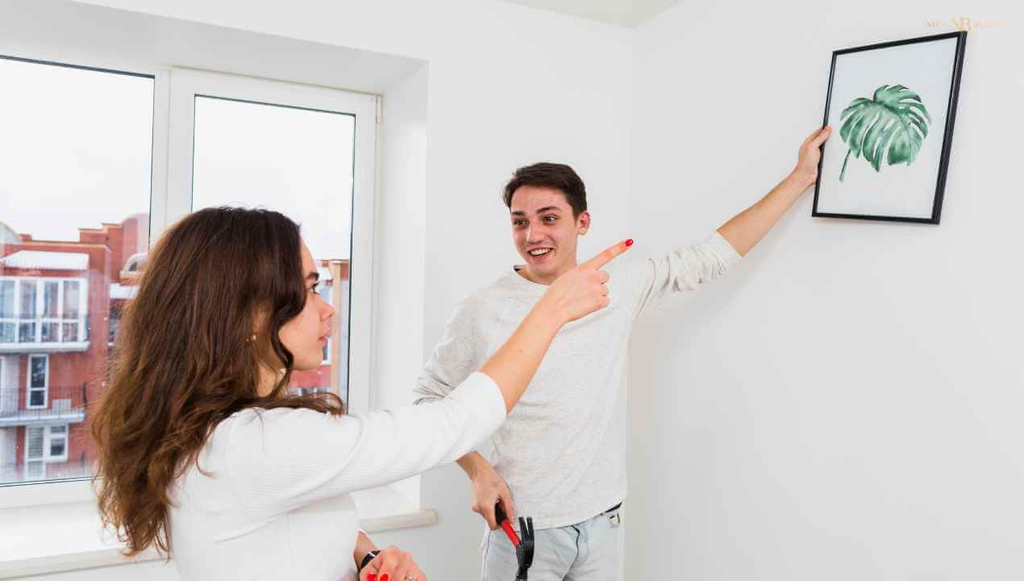
Whether you’re refreshing an existing property or starting with a blank block, feng shui can be considered at different stages of the building process. The earlier you think about layout, house orientation and movement, the more options you have to make meaningful changes. That said, you don’t need to knock down walls to introduce better feng shui, renovations and new builds simply give you different opportunities.
Applying Feng Shui to a Renovation
With an existing home, the structure is already there, so the focus is often on improving how the available spaces function. Start by looking at the home’s circulation. Are walkways obstructed? Does furniture make rooms feel cramped? Is natural light being blocked? Could storage be improved to reduce clutter? Small changes can sometimes have a surprisingly large effect. Repositioning a bed or desk, improving lighting, changing a room’s colour palette or opening up a poorly used area may make the home feel more balanced without requiring major structural work.
For large renovations, you may have the opportunity to reconsider doorways, windows, room proportions or connections between indoor and outdoor areas. This is where working with an experienced builder becomes extremely valuable. All aesthetic goals need to be balanced with structure, waterproofing, services, ventilation and building requirements.
Check out how to choose a facade for your forever home to find one that reflects your personal style and not just trends.
Applying Feng Shui to a New Build
A new build offers considerably more flexibility. Rather than adapting feng shui ideas to an existing floor plan, you can consider them while the home is still on paper. Orientation, natural light, ventilation, room relationships and the position of major furniture can all be discussed before construction begins. You can also consider how the home’s entry, living spaces, bedrooms and outdoor areas connect with the surrounding site.
While some traditional approaches to feng shui place importance on orientation and the relationship between a building and its surroundings, others focus more heavily on the internal arrangement. Either way, practical design should remain the foundation. For example, there’s little benefit in following a theoretical layout if it compromises privacy, creates poor ventilation or makes the kitchen difficult to use.
Find out exactly how long a knockdown rebuild takes.
Bad Feng Shui: Common Mistakes to Avoid
One thing to note is that not every uncomfortable room is a case of bad feng shui. Sometimes the sofa is simply too big for the room, or the bed too wide, this can happen. That said, many of the issues traditionally associated with poor feng shui overlap with practical design problems. For example, awkward circulation, excessive clutter, poor lighting and badly positioned furniture can make a home feel uncomfortable regardless of whether you follow feng shui. Understanding these common issues can therefore be useful when renovating or building.
Blocking Natural Movement
One of the simplest ways to improve feng shui is to keep the main pathways through your home clear. Furniture that interrupts movement can make a room feel cramped and difficult to navigate. During a build or renovation, think beyond the dimensions shown on a floor plan. Consider how people will actually move through the space, where doors open, how furniture will be positioned and whether there is enough room around important areas.
Too Much Clutter
Clutter can make even a generously sized room feel chaotic. From a feng shui perspective, excessive objects can interrupt the movement of energy. From a builder’s perspective, it can also be a sign that the home doesn’t have enough practical storage. This is why storage should be considered during the design stage rather than added as an afterthought. Built-in cabinetry, linen storage, concealed utility areas and well-planned wardrobes can help keep everyday items organised.
Explore popular roof types in Australia.
Ignoring Light and Ventilation
A dark, poorly ventilated home isn’t likely to feel inviting, no matter how carefully its furniture is arranged. Natural light, cross-ventilation and appropriately positioned windows can make a major difference to comfort. In Queensland, these considerations are especially important because the local climate makes shading, airflow and solar orientation key parts of successful home design.
Treating Feng Shui as a Rulebook
Perhaps the biggest mistake of all is assuming there is one definitive version of feng shui. Different schools, including classical feng shui and modern approaches, can interpret layouts and symbols differently. What works for one home may not make sense for another because every site, floor plan and household is different.
Want to add luxury and scale to a typical home design? Raked ceilings are in, they create openness and provide optimal natural light perfect for airflow and ventilation.
Feng Shui in Modern Queensland Homes
For Queensland homeowners, feng shui directly complements the climate-conscious home design required for the area. Natural light, ventilation, indoor-outdoor connections and thoughtful orientation aren’t just feng shui considerations, they are also important parts of building a comfortable Australian home. You just have to know where traditional principles can work alongside modern building requirements rather than treating them as competing ideas.
Let the Queensland Climate Work With You
Queensland’s climate makes the relationship between a home and its surroundings especially important. Orientation, shading, glazing, insulation and ventilation can all influence how comfortable a property feels throughout a year. From a feng shui perspective, the surrounding environment and the movement of air are also significant. The traditional relationship between wind and water reflects an awareness of how natural forces interact with a site. In practical terms, this might mean positioning living areas to take advantage of views and breezes, incorporating appropriate shading and creating a stronger connection between indoor and outdoor spaces.
Make Indoor-Outdoor Living Feel Natural
Queensland homes often make the most of patios, decks, gardens and entertaining areas. When these spaces are thoughtfully connected to the interior, movement through the home can feel much more natural.
Large openings, well-positioned windows and considered landscaping can help create this connection. However, bigger isn’t always better so glazing still needs to be appropriate for the home’s orientation, thermal performance and privacy requirements. This is where a builder’s experience matters. Feng shui may encourage openness and connection, but the final design must also respond to the site’s conditions and the realities of Australian construction.
Are you building your first home? Check out the First Home Owner Grant and what it means for your home buying journey.
Think About Orientation Early
Traditional feng shui can place considerable importance on direction and orientation, sometimes using a magnetic compass to understand how a property relates to its surroundings. On the other hand, modern builders have their own reasons for considering orientation early. The position of the sun, prevailing breezes, neighbouring properties, street access and views can all influence where rooms should sit within a home. When these factors are considered together, you can create a floor plan that feels intentional rather than simply fitting rooms onto a block.
A Practical Approach to Feng Shui
Modern feng shui doesn’t have to mean sacrificing functionality for tradition. A well-designed Queensland home can incorporate principles such as balance, clear circulation and connection with nature while still meeting contemporary expectations for comfort, performance and practicality. In our experience as home builders, the strongest designs are those where these considerations are addressed from the beginning rather than added as decorative touches at the end.
Confused whether to live in a townhouse vs apartment, check out our guide to come to a conclusion perfect for your lifestyle requirements.
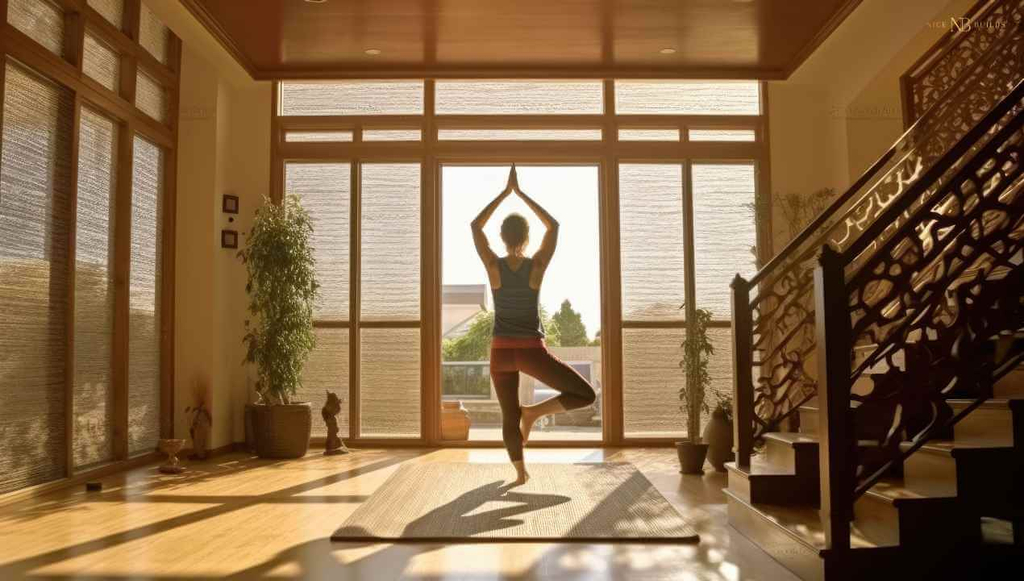
Ready to Bring Feng Shui into Your Home?
Feng Shui offers a very interesting perspective to home building and living. Whether you are drawn to it for its cultural history, traditional ideas about balance or simply its emphasis on thoughtful spaces, many of its principles can be considered alongside good residential design.
While there is no single formula for feng shui or a magic arrangement that guarantees happiness or prosperity, what the practice can provide is a useful way of thinking about your relationship with your home. For a new build or a renovation, that mindset can be valuable from before you’ve chosen your home builder, the first conversation with your builder through to the final finishing touches.
At Nice Builds, we believe a well-built home should be more than structurally sound and visually appealing. It should be designed around the people who live there. So, whether you’re exploring feng shui for the first time or already have a clear vision for your next home, start with the way you want to live and let the design simply follow.
Ready to have the first conversation? Speak to the Nice Builds team, your Brisbane based home builder, for a home that feels as good as it looks.