Choosing the right property is about more than comparing the number of bedrooms or finding the right price tag. Your decision can affect how you live, how much maintenance you take on, and how well the property fits your plans in the future. In the process, if you’re deciding between a townhouse vs apartment, you’re likely weighing up space, privacy, location, affordability and long-term value. Both property types have their advantages, but they offer very different lifestyles.
A townhouse can provide the independence and living space of a traditional house, often with a private entrance, garage and outdoor area, while requiring less maintenance than a standalone property. On the other hand, an apartment can offer greater affordability, convenient locations and access to shared amenities, making it an attractive option for many first home buyers, professionals and investors.
So, should you buy a townhouse or choose an apartment? Quite a fix, isn’t it? At Nice Builds, our experience in townhouse construction has shown us the right choice isn’t simply about what looks best on paper. Good design, build quality, location and the way a property will be used all matter. Therefore, we have put together this guide to explain the key differences between a townhouse and an apartment, so you can make informed decisions for your property plans.
Your home should look more than just good, try Feng Shui techniques to create harmony between your family and your home.
What is a Townhouse?
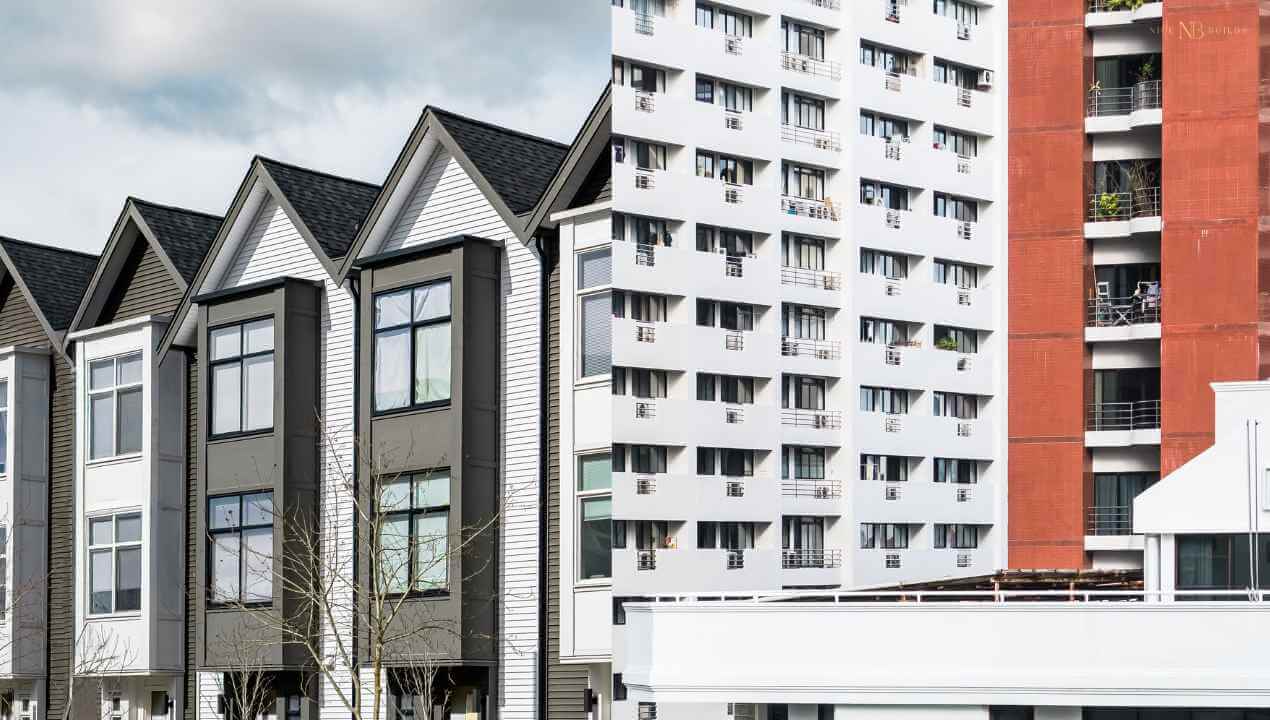
A townhouse is a type of residential dwelling designed to offer many of the benefits of a traditional house in a more compact and often low-maintenance format. Townhouses are commonly built across two or more levels, with their own private entrance, living areas, bedrooms, parking and some form of private outdoor space.
Unlike an apartment, which is generally one residence within a larger apartment building, a townhouse typically has a stronger sense of independence. You may have your own front door, garage and courtyard, while sharing a wall with a neighbour.
The ownership structure can vary between townhouse developments. Some are held under a strata or stratum title arrangement, while others may use different title structures. Depending on the development, there may also be shared areas, community facilities or ongoing fees. It’s important to understand the specific title and management arrangements before purchasing.
From a design perspective, one of the biggest advantages of a townhouse is the way it can make better use of limited land. A multi-level floorplan allows more living space to be created without requiring the large block associated with a standalone house. For buyers who want more space and privacy than apartments can typically provide, but don’t want the cost and upkeep of a full-sized house, a townhouse can offer a practical middle ground.
Why Are Townhouses So Popular?
Townhouses have become a popular choice for buyers seeking a balance of lifestyle, affordability and convenience. A well-designed townhouse can provide more living space than many apartments, a private entrance with dedicated parking, a spacious courtyard, separate living and sleeping areas, greater privacy than apartments, and lower maintenance than a traditional house, all while having access to established suburbs without paying the full price of buying a house.
From our own experience, we find that functionality is one of the biggest factors influencing buyer appeal. A townhouse needs to feel like a genuine home, not simply a smaller version of something else. This is also why thoughtful floor plans, natural light, ventilation, storage, privacy and practical outdoor areas should be considered from the beginning of the design process.
Find out how your flooring options define the overall design and structure of your home.
What is an Apartment?
An apartment is a self-contained residence that forms part of a larger residential building or complex. Different from a townhouse, an apartment is typically arranged on a single level and shares more of the building’s infrastructure with other owners and residents.
Apartments can range from compact one-bedroom homes to spacious, high-end residences with multiple bedrooms. Often found in well-connected urban areas, they’re a popular choice among first-time buyers, professionals, downsizers and investors who prioritise location and convenience.
One of the biggest advantages of apartment living is access to facilities and services that may otherwise be difficult or expensive to have in a private home. Depending on the development, residents may have access to lifts, pools, gyms, landscaped gardens, secure entry systems and other community amenities.
When you purchase an apartment, you generally own your individual lot while sharing ownership and responsibility for common areas and building infrastructure with other owners. Depending on the ownership structure, you may be required to pay ongoing strata fees or other levies to contribute towards maintenance, insurance, repairs and management. The cost of these fees can vary significantly between apartment complexes. A building with expensive shared amenities, lifts, gardens or other facilities may have considerably higher ongoing costs than a smaller development with fewer communal features.
Why Do People Choose Apartments?
For many buyers, the biggest attraction is affordability and location. An apartment can provide an opportunity to live in a desirable suburb or close to major employment, transport, shopping and entertainment without the price of buying a house in the same area. Apartments can also suit people who want a low-maintenance lifestyle. External building maintenance, gardens and other shared infrastructure are generally managed collectively rather than by an individual owner.
However, that convenience comes with considerable trade-offs. You may have less private outdoor space, more shared areas and less control over certain aspects of the building. Rules can also apply to renovations, pets, noise and the use of communal facilities. For buyers who value convenience above all else, an apartment can be a practical choice. But if you want more space, privacy and the feeling of having your own home, it is worth looking closely at how a townhouse compares.
Add a rumpus room to your home to use as a quiet hobby space for your creative pursuits.
Townhouse Vs Apartment: The Key Differences
When comparing a townhouse vs apartment, the biggest differences aren’t necessarily obvious from the outside. Both can provide a convenient and relatively low-maintenance alternative to buying a house, but the way you live in each property can be quite different. The choice between a townhouse vs apartment usually comes down to what matters most to you. Here’s a quick overview of the key differences to consider when deciding between a townhouse or apartment:
| Feature | Townhouse | Apartment |
| Layout | Usually multi-level with separate living and sleeping areas | Typically single-level |
| Living Space | Generally more spacious | Often more compact |
| Outdoor Space | Often includes a private courtyard or garden | Usually a balcony or shared outdoor area |
| Privacy | Greater sense of independence | More interaction with shared spaces |
| Parking | Often includes a private or dedicated garage | Parking arrangements vary |
| Maintenance | Generally lower than a standalone house | Usually low maintenance |
| Shared Amenities | Typically limited | May include pools, gyms, lifts and other facilities |
| Ongoing Fees | Depends on the development and title structure | Strata or other ongoing fees are common |
| Location | Often found in established suburban areas | Common in urban and high-density locations |
| Buyer Appeal | Families, professionals, downsizers and investors | Singles, couples, professionals, downsizers and investors |
Size and Living Space
One of the biggest advantages of a townhouse is the amount of usable living space it can provide. Most townhouses are designed across two or more storeys, allowing the floorplan to separate different parts of the home. Bedrooms can be positioned away from the main living areas, while the kitchen, dining and lounge areas can create a central space for everyday family life and entertaining. This separation can make a townhouse feel considerably more spacious than its footprint suggests. A dedicated room can also be used as a home office or study, guest room or additional living area as your needs change.
An apartment can certainly offer generous space, particularly in larger or newer developments. However, because an apartment is generally contained on one level, there can be less separation between living and sleeping areas. For families, this difference can become particularly noticeable over time.
Check out how to choose a facade for your forever home to find one that reflects your personal style and not just trends.
Privacy and Lifestyle
Space isn’t the only difference between a townhouse and an apartment. The way you enter, move through and use your home can have a major impact on your everyday lifestyle. A townhouse generally provides a greater sense of independence. With your own entrance, living areas, parking and often a private outdoor area, you can enjoy many of the benefits of a house without taking on the full maintenance requirements of a larger property.
Apartment living typically involves more shared spaces. Depending on the building, you may use communal entrances, lifts, hallways, stairwells and parking areas every day. For some people, this is simply part of the convenience of apartment living but for others, having fewer shared spaces is a significant lifestyle advantage.
Did you know architraves help finish door frames, add polish and complete your home’s look!
Investment Potential
If you’re comparing a townhouse and an apartment as an investment, the purchase price is only one part of the equation. You also need to consider rental demand, potential rental yield, ongoing costs, buyer appeal, supply and the property’s potential resale value. Both property types can perform well, but townhouses can offer several characteristics that make them appealing from an investment perspective.
Why Townhouses Can Be Attractive Investments
A well-located townhouse can appeal to a broad range of tenants and future buyers. Families, professionals, couples and downsizers may all be interested in a property that provides multiple bedrooms, private parking and outdoor space. This broader appeal can be valuable for an investor because your potential market isn’t limited to one type of renter.
Townhouses can also provide a larger land component than many apartments. While the amount of land associated with a townhouse varies depending on its title and development, land is an important consideration when assessing long term property value. This doesn’t mean every townhouse will achieve stronger capital growth than every apartment. Location, design, construction quality, purchase price, local demand and future development all play an important role.
Find out how long knockdown rebuilds take?
Maintenance, Upkeep and Ongoing Costs
Maintenance is one of the biggest considerations when choosing between a townhouse vs apartment. Neither property is completely maintenance-free, but the responsibilities can be quite different depending on the design, title structure and development.
Apartment owners generally benefit from having the building’s external areas and shared infrastructure managed collectively. Things such as lifts, shared gardens, building exteriors and communal facilities are usually maintained through the relevant owners corporation or body corporate arrangements. The trade-off is that owners contribute towards these costs through ongoing levies and fees. The amount can vary significantly depending on the age and size of the building, the number of facilities and the level of maintenance required.
Building on a sloping block? Check out our guide to understand the pros and cons.
Townhouses Can Offer Less Maintenance Than a House
One of the major attractions of a townhouse is that it can provide a lower-maintenance lifestyle without giving up the feeling of having your own home. Compared with a large standalone house, a townhouse generally has a smaller outdoor area and less land to maintain. For buyers who want less maintenance but don’t want to live entirely within a high-rise environment, this can be an attractive compromise.
However, it’s important not to assume that every townhouse has the same maintenance arrangements. Some townhouse developments have shared driveways, landscaping, facilities or other infrastructure that owners contribute towards.
Discover how to compare building quotes and make the right choice for your financial future.
Look Beyond the Purchase Price
When assessing a property, don’t focus solely on the advertised price. Ask what you will be responsible for maintaining and what is covered by the development’s shared arrangements. Review any available documentation covering levies, maintenance responsibilities, sinking funds, insurance and planned works.
For apartments, also consider whether the building has expensive infrastructure such as lifts, pools, or extensive community facilities. These can provide excellent lifestyle benefits, but they can also increase ongoing costs. For townhouse buyers, the same principle applies. A smaller development with fewer shared amenities may have a simpler cost structure, but the individual owner may have greater responsibility for their own property.
Discover the cost of building a house in Brisbane.
Location and Affordability
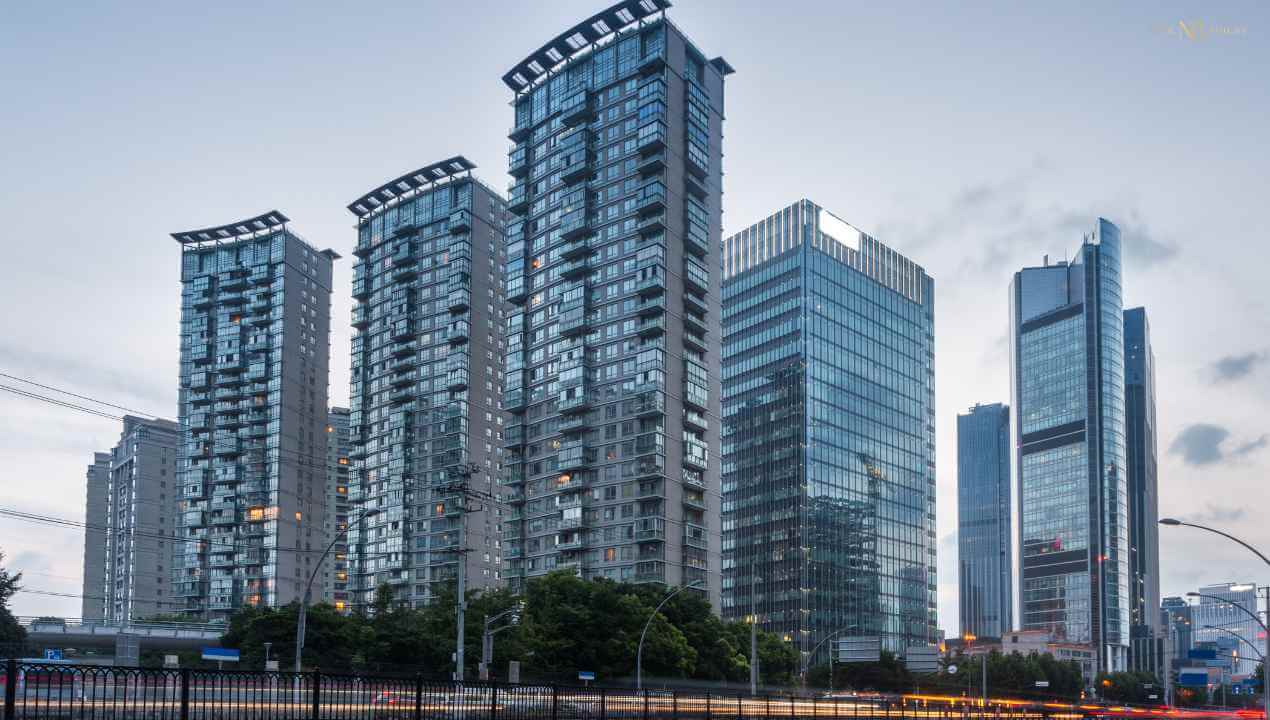
Location can have a major influence on whether a townhouse or apartment makes sense for you. Apartments are often concentrated in high-demand urban areas, close to public transport, employment centres, shopping, restaurants and entertainment. For buyers who prioritise convenience and want to be close to active spots, an apartment can provide access to locations that may otherwise be difficult to afford.
Townhouses can offer a different approach. Since townhouse developments can make more efficient use of land, they can provide buyers with an opportunity to secure a home in an established suburb without necessarily paying the full price of a large standalone house.
Finding the Right Balance
For many buyers, the decision isn’t simply about finding the cheapest property. It’s about finding the best balance between price, location, space and lifestyle. An apartment may have a lower purchase price, but you may have less outdoor space or fewer private areas. A house may provide more land, but the price and ongoing maintenance can be considerably higher. In case that happens, a townhouse can sit between these two options. You can potentially enjoy a well-connected suburb, private living areas, a garage and outdoor space without taking on the price tag or maintenance requirement of a large house.
While affordability varies significantly between suburbs and individual developments, a townhouse in a highly sought-after location may cost more than an apartment in a less established area. That’s why buyers should compare properties on more than their advertised price. Consider the location, floorplan, land component, parking, ongoing fees, construction quality and potential future demand. Look at nearby infrastructure, schools, transport, shopping and community amenities as these can all influence how desirable a property is to future buyers and renters.
Discover the best suburbs in Brisbane for homebuyers.
Parking, Storage and Outdoor Areas
Parking and storage can make a surprisingly big difference to how practical a property feels, particularly for families and people who plan to stay in their home for several years. A townhouse will often include a private garage or dedicated parking space, with many designs providing direct internal access into the home. This can be particularly convenient when carrying groceries, getting children in and out of the car or simply having secure access to your vehicle.
Apartments can also offer secure or allocated parking, but arrangements vary between developments. Some properties have dedicated spaces, while others use shared basement facilities or more complex parking systems. Storage is another consideration. A garage can provide space for more than just a car, including bikes, tools, sporting equipment and household items. A well-planned townhouse can also incorporate storage under stairs, in the garage or throughout the home.
Confused whether to live in the city or suburb? Check out our piece on city vs suburb to figure out which area is perfect for you?
Strata, Body Corporate and Shared Amenities
The ownership structure is another important consideration when comparing a townhouse and an apartment. Many apartment developments operate under a strata or similar community title arrangement, where individual owners have rights to their lot while also sharing responsibility for parts of the building and other common areas.
Depending on the development, apartment owners may contribute to the maintenance of entrances, lifts, gardens, parking areas and other shared infrastructure. Buildings with extensive facilities can also have higher ongoing costs because more infrastructure needs to be maintained.
Townhouses can have different ownership arrangements. Some townhouse developments operate under strata or community title structures, while others may have different forms of title. This means you shouldn’t assume that every townhouse will have the same fees or responsibilities.
What are Strata Fees and Body Corporate Fees?
Strata fees or body corporate fees are ongoing contributions associated with maintaining and managing shared property and infrastructure where applicable. The amount can vary depending on the development and what is included. A large apartment complex with lifts, pools, gyms and extensive landscaping may require significantly more ongoing maintenance than a small townhouse development with limited shared facilities. Therefore, before you purchase, ask for relevant documents and understand exactly what you’ll be responsible for paying and maintaining.
Capital Growth and Resale Value
If you’re looking at a property as a long-term purchase, it’s important to think beyond what the home is worth today. Capital growth is influenced by a wide range of factors, including location, land value, supply and demand, property quality, economic conditions and the broader real estate market. No property can guarantee future growth. However, townhouses have several characteristics that can make them attractive when considering long-term value.
Choose a house type in Australia that balances all your lifestyle, budget and location needs.
The Importance of Land
One of the main differences between a townhouse and an apartment is the relationship each property has with the land. A townhouse will generally have a greater land component than an apartment, although the exact amount depends on the title structure and individual development.
Land can be an important driver of property value, particularly in established urban areas where developable land is limited. As a result, buyers who are thinking about value over time may place greater importance on the land component of their property. An apartment, by comparison, represents a smaller proportion of the overall site and is often one of many similar residences within the same building.
Resale Appeal
Resale value also comes down to who might want to buy the property in the future. A well-designed townhouse can appeal to a broad range of buyers, including families and professionals, first home buyers, downsizers and investors. Features such as multiple bedrooms, private parking, outdoor space, practical living areas and a convenient location can make a townhouse attractive to both owner-occupiers and renters.
Apartments can also have strong resale demand, particularly when they’re located close to employment, transport and lifestyle amenities. However, buyers may have more similar properties to compete with when an apartment building contains a large number of comparable residences.
Which is Better for Different Buyers?
There isn’t one answer to the question of whether you should choose a townhouse or apartment. The better option depends on your budget, lifestyle, household size and long-term plans. Understanding how each property type suits different buyers can make the decision much easier.
Townhouses for Families
For growing families, a townhouse can provide a practical combination of space, privacy and convenience. Multiple bedrooms, separate living areas, a private garage and outdoor space can give families room to adapt as their needs change. Having bedrooms separated from the main living areas can also make it easier for different members of the household to have their own space. A townhouse may not provide the same amount of land as a traditional house, but it can offer many of the features families value without the same level of maintenance.
Townhouses for Downsizers
For downsizers, the appeal is often about reducing upkeep without giving up too much space. Moving from a large house into a townhouse can mean less gardening and general maintenance while retaining multiple living areas, a garage and some private outdoor space. However, buyers should think carefully about the design. Many townhouses are multi-level, so stairs may not be suitable for everyone. A single-level property may be a better choice for some downsizers.
Choose between single storey vs double storey homes for building based on your lifestyle, block size and budget.
Townhouses for First Home Buyers
For a first home, affordability is naturally a major consideration. An apartment may offer a lower entry price, but a townhouse can provide additional space and flexibility that may make it a better long-term home. If you’re planning to start a family, work from home or simply want to avoid upgrading again in a few years, the additional space of a townhouse can be valuable. The important thing is to compare the total cost of ownership rather than just the initial purchase price.
Townhouses for Investors
From an investor’s perspective, a townhouse can appeal because it attracts a broad range of potential tenants. Families, professionals and couples may all be interested in a well-located townhouse with multiple bedrooms, secure parking and private outdoor space. A townhouse can also provide an alternative to the large supply of apartments available in some areas, particularly where multiple new apartment developments are being delivered at the same time.
When an Apartment May Be the Better Choice
There are also situations where an apartment may be the better option. If your priority is living close to the CBD, public transport, restaurants or major employment centres, an apartment may provide a level of convenience that is difficult to match. An apartment can also suit buyers who don’t need much space and prefer to spend less time maintaining a property.
The right choice between townhouse and apartment ultimately comes down to your priorities. If you value convenience and a compact, low-maintenance lifestyle, an apartment may make sense. If you want more space, privacy, parking and outdoor areas while still keeping maintenance manageable, a townhouse could be the better fit.
Discover tips on choosing the right home builder for your dreamed future.
Townhouse Vs Apartment: Which is the Property For You?
No single property type is right for everyone. The better or the perfect choice depends on your budget, lifestyle, location and what you want from the property in the years ahead. If affordability and convenience are your main priorities, an apartment can be a sensible choice. Apartments can provide access to desirable locations, transport, employment and community amenities, often at a lower entry price than a house.
However, if you’re looking for more space, privacy, parking and outdoor areas while keeping maintenance manageable, a townhouse may be the better option. A townhouse can provide the independence of having your own home while avoiding some of the cost and upkeep associated with a large standalone house. For families, first home buyers, professionals and downsizers, that balance can be particularly appealing.
From an investment perspective, townhouses can also offer a broad appeal to both owner occupiers and renters. However, the individual property’s location, purchase price, land component, construction quality and local demand should always be assessed before making a decision.
Why Choose Nice Builds for Your Townhouse Project?
At Nice Builds, we understand that successful townhouse projects start long before construction begins. You might be thrilled to know that we are building a fresh set of townhouses in the perfect location, coming soon.
As Brisbane based home builders, we focus on creating homes that are practical, comfortable and designed around the way people actually live. From floorplan efficiency and natural light to privacy, storage, outdoor areas and durable finishes, every detail can influence the quality and long-term appeal of a townhouse.
FAQs
Is a townhouse better than an apartment?
It depends on your priorities. A townhouse will generally provide more space, privacy, outdoor areas and parking, while an apartment can offer greater affordability and convenient access to urban locations. For buyers who want the feel of a home without the full maintenance of a house, a townhouse can be an excellent middle ground option.
Is a townhouse a good investment?
A townhouse can be a good investment when the property has the right combination of location, price, design, construction quality and rental demand. Townhouses can appeal to a broad range of tenants and buyers, particularly when they offer multiple bedrooms, private parking and outdoor space. However, no property type guarantees capital growth or rental returns.
Should I choose a townhouse or apartment as a first home?
Both can work well for first home buyers. An apartment may be attractive if affordability and location are the priorities, while a townhouse can provide more space and flexibility as your household grows. Consider how long you intend to stay in the property and what you’ll need from your home in the future.
Are townhouses low maintenance?
Townhouses generally require less maintenance than a large standalone house because they usually have smaller outdoor areas and a more compact footprint. However, maintenance responsibilities vary between developments, so buyers should understand exactly what they are responsible for before purchasing.