Building a home is a significant investment, so it makes sense to make decisions that continue paying off long after construction is complete. If that happens to be your goal too, one of the smartest places to start is energy efficiency. Energy efficient homes in Australia are designed to stay comfortable throughout the changing seasons while using less electricity, reducing household energy bills and creating healthier living environments.
However, unlike what you might expect, an energy-efficient home doesn’t start with solar panels or the latest appliances. It starts even before the first brick is laid. From choosing the right block orientation and planning your floor layout to selecting suitable building materials, the decisions made during the early design stages have a lasting impact on how your home performs.
At Nice Builds, we believe good home building is about looking beyond the finished facade but about understanding how a home will function, feel and perform over the years. By incorporating smart design principles, appropriate insulation, natural lighting and effective ventilation from the beginning, homeowners can create spaces that work with Queensland’s climate rather than constantly fighting against it.
Whether you’re planning a new build in Brisbane or exploring ways to make your future home more sustainable, understanding the fundamentals of energy efficient home design is a great place to start.
Why Home Design and Orientation Matter for Energy Efficiency
One of the most important decisions when planning an energy efficient home is getting the orientation right. Yes, even before you consider solar panels and fancy equipment to regulate your heating and cooling systems, you need to understand how your home will interact with the sun, wind and surrounding environment. One traditional yet good way to do that is through feng shui. After all, the best energy saving features are more or less traditional.
In Queensland, where summers can be hot and humid, thoughtful building design can make a noticeable difference to indoor comfort. Ideally, living areas should face north to capture the sun’s warmth during winter while allowing appropriate shading to limit heat gain during summer. Roof eaves, verandahs and external shading devices can help control direct sunlight, particularly around windows and exposed walls.
East and west-facing windows require extra attention because they receive low-angle sunlight during mornings and afternoons. This can introduce considerable heat into your home, particularly during summer. Strategic window placement, external blinds and carefully designed shading can help minimise unwanted heat without sacrificing natural light.
Another essential consideration is natural ventilation. A well-planned layout encourages cross ventilation, allowing fresh air to move through the home and carry accumulated heat outside. Positioning windows and openings to capture the prevailing breeze can reduce reliance on air conditioning and improve indoor air quality.
Consider grouping living spaces, bedrooms and service areas according to their function can make it easier to manage temperatures throughout the day. For example, garages, laundries and storage areas can act as buffers between outdoor heat and frequently occupied rooms.
Ultimately, understanding the sun’s movement, local climate and natural airflow before construction begins, you can create a home that maintains a more comfortable temperature with less dependence on artificial heating and cooling. A well oriented home with thoughtfully designed openings and practical shading can deliver lasting comfort, better energy performance and meaningful savings over its lifetime.
Choosing the Right Building Materials, Insulation and Airtightness
The materials used to construct a home also play a major role in how well it retains warmth, limits unwanted heat and maintains comfortable indoor temperatures. Getting these details right during construction can help reduce energy consumption and improve comfort for years to come.
Let’s begin with the building envelope. This includes the roof, walls, floors, windows and external doors that separate your indoor spaces from the outside environment. A high-performing envelope helps regulate indoor temperatures, reducing the need to constantly rely on air conditioning or other heating systems.
Insulation is one of the most important considerations. Quality ceiling, wall and underfloor insulation helps slow the transfer of heat between indoors and outdoors. While the appropriate insulation type and rating will depend on the home’s design, construction method and location, in Brisbane’s climate, the right insulation can help keep unwanted summer heat out while maintaining comfortable indoor conditions during cooler months.
At the same time, double glazing, low-emissivity glass and well-sealed window frames can help limit unwanted heat transfer. External shading should also be considered, particularly for windows exposed to strong afternoon sun. Small gaps around windows, doors, plumbing penetrations and service ducts may seem insignificant, but collectively they can allow conditioned air to escape and outdoor air to enter. Property sealing helps prevent uncontrolled air leakage, making indoor temperatures easier to manage. Make sure that this is balanced with appropriately designed ventilation to maintain healthy indoor air quality.
You should also consider materials with suitable thermal mass, such as concrete slabs and brickwork. These materials can absorb and gradually release heat, helping moderate temperature fluctuations when combined with appropriate insulation, orientation and shading. However, thermal mass needs to be designed around the local climate, simply adding more concrete does not automatically make an energy efficient home.
Invest in Solar Power and Energy Efficient Home Technology
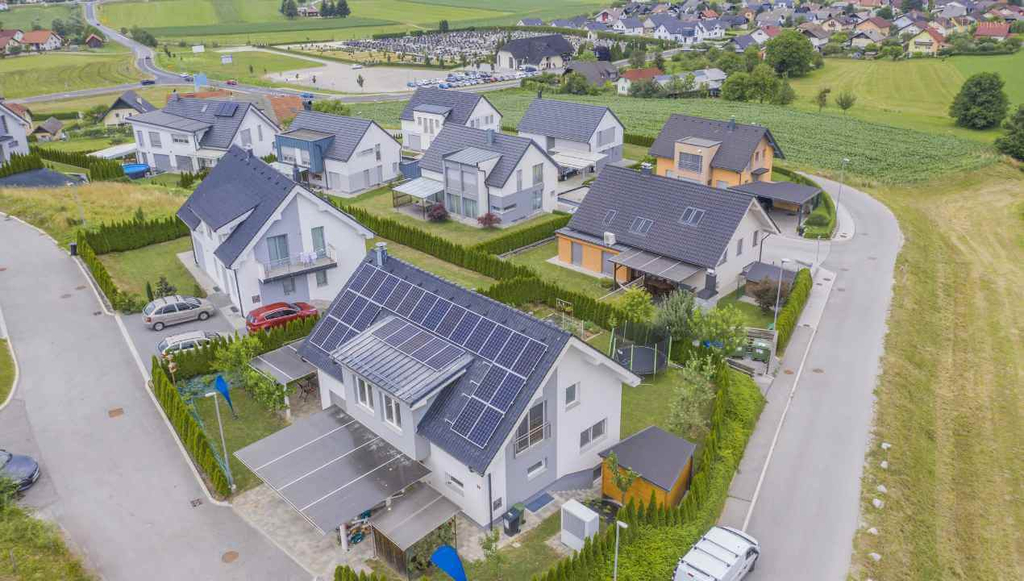
Once your home’s design and building envelope are sorted, it’s time to consider the systems that will help manage everyday energy use. Solar power, efficient hot water systems and smart home technology can all contribute to lower running costs when they’re selected to suit your household needs.
Make the most of Solar Energy
As you may know, Australia receives plenty of sunshine, which makes solar power a practical consideration for many homeowners. Installing rooftop solar panels allows you to generate electricity from a renewable source, reducing your reliance on grid electricity and potentially lowering your energy bills.
However, choosing a solar system isn’t simply about installing as many panels as your roof can accommodate. Roof orientation, available space, household consumption patterns and future energy needs should all influence the system’s size and configuration.
A home battery can take this a step further, rather than sending all excess daytime electricity back to the grid, a battery allows you to store surplus solar generation for use in the evening or during periods of higher electricity demand. While battery storage involves an additional upfront investment, it may offer worthwhile savings depending on your electricity tariff, usage habits and available incentives.
Choosing Efficient Hot Water and Climate Control Systems
Hot water and temperature control amount for a significant share of household energy use, so choosing efficient systems can make a noticeable difference. Heat pump hot water systems are worth considering because they use electricity to transfer heat from the surrounding air into the water rather than generating heat directly. When correctly sized and installed, they can use considerably less electricity than conventional electric resistance systems.
For heating and cooling, reverse-cycle air conditioning is another practical option. Modern systems can provide both functions efficiently, particularly when paired with good insulation, appropriate shading and well-sealed rooms. Ceiling fans can also improve comfort by circulating air, helping you reduce your reliance on air conditioning during milder weather.
Have you wondered whether to incorporate a butlers pantry or a walk in pantry in your dream home kitchen?
Bring Smart Technology Into the Mix
Energy efficiency doesn’t stop once construction is complete. Smart monitoring systems can help homeowners understand how much electricity their property generates, stores and consumes throughout the day. From monitoring solar production to scheduling appliances during periods of lower electricity tariffs, these systems make it easier to manage household energy proactively. Combined with efficient lighting, such as LED’s and appropriately rated appliances, they can help homeowners make better everyday decisions.
Improve Water Efficiency with Smart Landscaping
An energy-efficient home should do more than reduce electricity consumption. Water management and outdoor area design also contribute to a more sustainable property, particularly in Queensland, where hot summers and periods of limited rainfall can put pressure on household water use.
Make Every Drop Count
Water-efficient fixtures are a relatively simple way to reduce everyday water consumption. Installing water-saving showerheads taps, dual-flush toilets and efficient appliances can help minimise unnecessary water use without compromising convenience.
Rainwater tanks are another worthwhile addition to consider during the planning stage. Collected rainwater can be used for garden irrigation, toilet flushing and laundry, depending on the plumbing configuration and relevant requirements. Planning for a tank early also makes it easier to allocate suitable space and incorporate the necessary connections.
Greywater systems offer another opportunity to reuse household water from sources such as showers, baths and laundries. When appropriately treated and installed, greywater can be reused for approved purposes, including garden irrigation. The system must be designed to meet applicable health, plumbing and environmental requirements.
Find out why you should always compare building quotes by looking beyond the base price.
Design a Landscape That Works With Your Home
Your home’s surroundings can influence its indoor comfort just as much as its construction. Thoughtful landscaping can provide natural shade, reduce heat exposure and help create a more comfortable outdoor environment.
For example, strategically positioned trees can shade exposed walls and windows, particularly on the eastern and western sides of the home. Native and drought-tolerant plants are also worth considering because they are generally better suited to local conditions and can require less watering once established.
Most importantly, when planning your landscape, consider how ventilation will interact with the building throughout the year. You want enough shade to protect your home from harsh summer heat without unnecessarily blocking beneficial winter sunlight.
Understanding Australia’s Home Energy Efficiency Standards
New residential buildings are required to meet specific energy efficiency requirements under Australia’s building regulations. Understanding these standards early helps homeowners make informed decisions and avoid costly design changes later.
What is the 7-Star Energy Rating?
You may have heard builders and designers talk about a 7-star energy rating. This refers to the Nationwide House Energy Rating Scheme (NatHERS), which assesses how well a home’s design maintains comfortable indoor temperatures without relying heavily on artificial heating and cooling.
The rating considers several aspects of a home’s design, including:
- Building orientation and exposure to sunlight.
- Window placement, glazing and external shading.
- Wall, ceiling and floor insulation.
- Building materials and thermal mass.
- Air leakage and the overall building envelope.
A higher star rating generally means a home requires less energy for heating and cooling to maintain comfortable indoor temperatures. While meeting the minimum requirements is essential and enough, homeowners can also explore design improvements to achieve higher ratings and better long-term performance.
As of now, NatHERS has expanded beyond assessing a home’s thermal performance. Its assessment also considers the estimated energy consumption of major household systems, including heating and cooling, hot water, lighting and other fixed appliances. It accounts for renewable energy generated and stored on the property too.
This gives homeowners a complete picture of how their proposed home is expected to perform once occupied. For builders and designers, this assessment reinforces an important principle which is that energy efficiency needs to be considered throughout the entire design and construction process, rather than focusing on individual features in isolation.
Decide whether to invest on a townhouse or an apartment for the best housing solution this season.
How to Build an Energy-Efficient Home in Australia?
Building an energy-efficient home becomes much easier when sustainability is considered from the beginning. The key is to make informed decisions at every stage, from selecting your block of land to choosing materials, fixtures and appliances. If you’re considering building an energy-efficient home in Australia, here are some important steps to follow:
Start with the Right Design and Orientation
Before settling on a floor plan, consider your block’s orientation, surrounding landscape and local climate. Work with an experienced building designer or architect who understands passive solar principles and can help you make the most of your site.
Prioritise north-facing living areas where practical, incorporate suitable shading and plan openings to encourage natural airflow. These early decisions influence how your home responds to seasonal temperature changes.
Prioritise the Building Envelope
As discussed, your building envelope has a major influence on the home’s overall thermal performance. Invest in suitable wall and ceiling insulation, quality glazing, well-sealed doors and appropriate external shading.
Consider the roof, flooring options and window specifications as part of the same system rather than treating each element separately. A properly designed envelope helps maintain comfortable indoor temperatures and reduces the need for mechanical heating and cooling.
Select Energy-Efficient Appliances and Systems
Once the home’s structural and thermal requirements are addressed, look at all the systems that will support everyday living. Choose appropriately sized, high-star-rated appliances, efficient hot water systems, LED lighting and reverse-cycle air conditioning where suitable. Solar panels and battery storage can also be considered based on your household’s expected electricity requirements and budget.
Plan for Water Efficiency and Sustainable Features
Consider incorporating rainwater tanks, water-efficient fixtures and suitable greywater systems into your building plans. These features can help reduce reliance on mains water and make better use of available resources.
You should also explore sustainable house designs that incorporate climate-appropriate landscaping, natural shading and practical outdoor spaces. The best features are those that suit your block, lifestyle and long-term maintenance expectations.
Work With a Builder Who Understands Energy Efficiency
Choosing the right builder is just as important as choosing the right design. An experienced builder can help you understand material specifications, construction details and practical ways to improve energy efficiency without unnecessarily increasing your budget.
As homebuilders, we encourage homeowners to discuss their priorities early so that energy performance can be considered throughout the design and construction process. This also allows important provisions, such as solar connections, insulation specifications and future battery storage, to be planned before construction begins.
Think Beyond Construction
An efficient home should continue performing well long after you’ve received the keys. Once you move in, monitoring electricity consumption, maintaining ventilation systems and using appliances thoughtfully can help you maximise the benefits of your investment.
Understanding when and how you use energy also makes it easier to adjust your habits and identify opportunities for further improvements. Ultimately, building an efficient home is about getting the fundamentals right. When thoughtful design, quality construction and suitable technology come together, you create a home that is comfortable, practical and better prepared for the future.
Why Invest in an Energy-Efficient Home?
Building an energy-efficient home is an investment that offers benefits well beyond reducing your environmental impact. From lower household running costs to improved indoor comfort, a thoughtfully designed home can make everyday living more enjoyable while delivering value over the long term.
Lower Household Energy Bills
Heating, cooling, hot water and appliances all contribute to household electricity consumption. When your home is designed to use energy more efficiently, you can reduce the amount of electricity needed to maintain comfortable living conditions.
Features such as quality insulation, effective shading, efficient appliances and solar power can help reduce your reliance on grid electricity. Over time, these improvements may help make meaningful savings on energy bills, particularly as electricity prices change.
Explore building covenants in QLD to avoid unwanted building surprises, and ensure the proposed design aligns with the estate requirements long before construction begins.
Enjoy Greater Comfort Throughout the Year
Nobody wants a bedroom that feels like an oven in summer or a living room that becomes uncomfortably cold in winter. Good energy efficient home design helps maintain more stable indoor temperatures throughout the changing seasons.
By combining appropriate insulation, natural ventilation, shading and quality glazing, your home can stay more comfortable without constantly relying on air conditioning or heating. For Queensland homeowners, this is particularly valuable during hot and humid summers, when thoughtful design can make everyday living considerably more comfortable.
Improve Your Property’s Long-Term Appeal
Homebuyers are becoming increasingly conscious of ongoing household expenses and the quality of the homes they purchase. Features such as solar panels, efficient appliances, quality insulation and strong energy ratings can make a property more appealing to prospective buyers. While the impact on resale value depends on the property, location and market conditions, investing in energy performance can help position your home as a more attractive option in the future.
Reduce Your Household Carbon Footprint
Energy-efficient homes generally require less electricity to operate, which can help reduce household greenhouse gas emissions. When combined with rooftop solar and other renewable energy solutions, they offer homeowners an opportunity to reduce their dependence on fossil fuel-based electricity. Every improvement contributes to a more responsible approach to residential construction and resource consumption.
Build on a sloping block for unique homes with better views and natural lighting.
Enjoy Better Value Over the Long Term
Some energy-efficient features involve a higher upfront investment, but their benefits can continue throughout the life of your home. Reduced electricity consumption, improved durability, and lower maintenance requirements can contribute to long-term cost savings. The key is choosing features that offer genuine value rather than spending more simply because something is marketed as sustainable.
At Nice Builds, we believe a well-designed home should work for your lifestyle today while remaining practical and efficient for years to come. Making energy efficiency a priority during construction is one way to create a home that delivers lasting comfort, functionality and value.
Well then, if you’re looking to build, contact us, your Brisbane based home builders, for the best designs in your desired location across Southeast Queensland.
FAQs
What is an energy-efficient home?
An energy-efficient home is a property constructed to maintain comfortable indoor temperatures while using less electricity and other resources. It combines features such as appropriate orientation, quality insulation, efficient windows, natural ventilation and energy-saving appliances, all for a comfortable living environment with lower running costs and reduced environmental impact.
Is building an energy efficient home more expensive?
Some energy efficient home features can increase initial construction costs, depending on the materials, systems and specifications selected. However, not every improvement requires a significant additional investment. Getting the orientation right, planning windows carefully and selecting appropriate insulation during the design stage can deliver lasting benefits. Find out exactly how much it costs to build a house in Brisbane.
What saves the most energy in a house?
Quality ceiling and wall insulation, appropriate glazing, effective shading and airtight construction can significantly reduce the energy needed for heating and cooling. Once these fundamentals are addressed, efficient hot water systems, LED lighting, energy-rated appliances and solar power can also deliver additional savings.
Is a 7-star energy rating compulsory for new homes in Australia?
Under the NCC 2022 residential energy efficiency provisions, new homes generally need to achieve a minimum 7 star NatHERS thermal performance rating or meet the applicable equivalent requirements. However, implementation and transitional arrangements vary between states and territories.
How can I make my existing home more energy efficient?
You don’t necessarily need to build a new house to improve energy efficiency. Although if you’ve been looking to, make sure to check out some of our custom designs.
Anyway, to make your existing property more energy efficient, start by checking your ceiling insulation, sealing unwanted air gaps, improving window shading and switching to LED lighting. You can also consider efficient hot water systems, ceiling fans, solar panels and energy-rated appliances. In the end, the best upgrades depend on your home’s existing condition and where it loses or consumes the most energy.